Your dog ignores “sit” at the front door the moment a guest knocks. Counter surfing continues no matter how many times you redirect. Leash walks start with pulling before you even reach the sidewalk. These are the moments that matter most-and they all happen at home, not in a training facility. In-home dog training creates a personalized learning experience by meeting your dog exactly where problem behaviors occur, designing every exercise around your dog’s personality, your home environment, and your family’s daily life.
This article explains how in-home training works from the first assessment through ongoing sessions, why it is uniquely personalized for each dog and owner, and how you can get the most out of the process. Whether you are raising a puppy, working with adult dogs on persistent behavioral issues, or helping older dogs adjust to new routines, understanding the power of personalized, environment-specific training will change how you think about your dog’s progress.
A typical in-home training program begins with a conversation-often by phone or email-where the dog trainer learns about your dog’s age, breed mix, background, and the specific concerns that prompted you to reach out. From there, the trainer visits your home to observe your dog in the exact space where behaviors occur.
During the first visit, the trainer watches your dog in key areas: the front door, kitchen, living room, yard, and even on the sidewalk outside. This direct observation of a dog’s behavior helps design more effective training solutions than any questionnaire alone could provide. Every recommendation and exercise is chosen based on what the trainer sees in your home environment, not from a generic template.
Follow-up training sessions build on what was established during the initial visit, with the trainer refining techniques, introducing new behaviors, and adjusting the plan as your dog progresses. While in-home sessions focus on personalized guidance, some owners also consider structured classes to reinforce skills in different environments and understand what happens inside professional dog training classes.
The first session often focuses on a detailed behavior assessment and clear goal-setting with the family. The trainer evaluates your dog’s body language, energy level, confidence, and how your pup responds to noises, unfamiliar humans, and other pets in the household. Trainers can address specific resource guarding or social habits in multi-dog households during this phase as well. A professional evaluation helps trainers identify behavioral patterns, training priorities, and the right approach for each dog before creating a customized plan.
From this assessment, a plan is created that prioritizes the issues most affecting your daily life-whether that means barking at the door, leash aggression on neighborhood walks, impulse control around food, or anxiety when left alone. The plan specifies when and where to practice in the home. For example, door routines are rehearsed in the entryway, settling exercises happen by the couch, and calm behavior is practiced in the kitchen during meal prep. Customized programs address specific behavioral challenges effectively because they are rooted in what actually happens in your household.
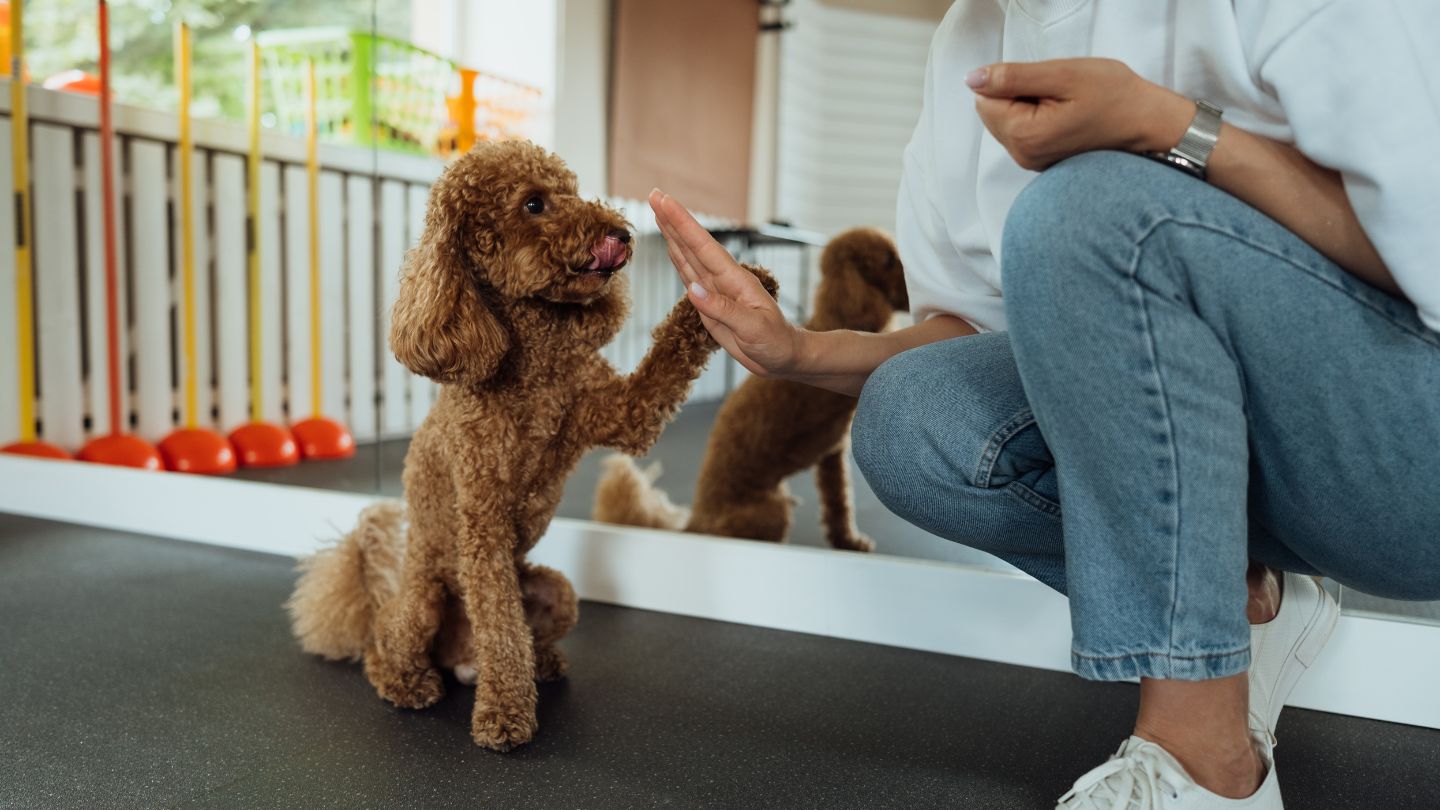
A personalized learning experience in dog training means that instruction, exercises, rewards, environment, timing, and coaching style are all adapted to the individual dog’s temperament, history, emotional state, physical surroundings, and the owner’s schedule and learning preferences. Personalization covers the dog’s emotional needs, the physical home environment, and the human side of the equation. In-home dog training provides a customized one-on-one learning environment where none of these factors is overlooked.
No two dogs learn the same way. A high-energy adolescent retriever needs a different approach than a shy rescue who flinches at sudden movements. Trainers can customize sessions based on each dog’s personality, adjusting strategies for dogs who are excitable, independent, sensitive, or fearful.
Dogs with a rescue background, medical issues, or prior negative experiences need special pacing and handling. Rushing a fearful dog into overwhelming scenarios can set back progress significantly. Sessions adapt to the specific energy levels and emotional state of the dog, which means quieter, slower work for anxious dogs and more dynamic games for energetic ones.
Rewards are customized too. Some dogs are motivated by treats, others by toys, sniffing, gentle affection, or tug games. Identifying what drives your furry friend and building on that motivation is essential for engagement. Positive reinforcement rewards desired behaviors with treats or praise, and dogs trained with positive reinforcement show increased engagement and trust.
A professional trainer studies the layout of your home: stairs, fenced yard, apartment hallway, shared elevators, or the busy street outside your front door. Training in familiar settings reduces distractions for dogs and allows the trainer to see exactly what triggers problem behaviors.
This observation informs simple modifications-gate placement, leash hooks near the door, or designated resting spots-that support training between visits. Sessions are scheduled around the family’s typical day, including work hours, school drop-offs, and evening walks. In-home training offers flexible scheduling for busy owners, so training fits your life rather than disrupting it.
Practical examples make the difference: teaching polite door greetings during the usual package delivery time, or practicing calm behavior when family members arrive home from work. In-home training allows for real-world behavior management that simply cannot be replicated in a classroom.
Personalized training adapts to the owner’s learning style, not just the dog’s. Some pet owners prefer hands-on demonstrations where they practice handling the leash and giving cues in real time. Others learn best with verbal explanation, written step-by-step plans, or visual diagrams. Owners deciding between different training formats can compare the benefits of private sessions and group programs by understanding whether group or private dog training is the right fit for their dog’s personality and goals.
Homework is broken into manageable, realistic assignments that fit into busy schedules. If your household includes a couple or a family with children, the trainer adjusts language and examples so everyone can participate. Family members can be coached to maintain consistent communication and rules with the dog, ensuring that expectations stay the same whether Mom, Dad, or the kids are handling the pup. Trainers provide direct coaching to family members on handling the dog correctly, which is one of the most impactful elements of in-home work.
During a single visit, every element-from where the dog stands to which doors are used-is chosen to reflect real life. Sessions feel practical and hands-on rather than theoretical, which is why in-home training creates such lasting change.
The trainer stages common problem scenarios right where they happen: guests at the front door, food on counters, kids moving through hallways, or mail carriers approaching outside. Training happens in the exact space where behaviors occur, so your dog learns to respond correctly in the situations that matter most.
Each scenario is broken into small, achievable steps so the dog can succeed. For example, practicing “place” on a mat while someone rings the doorbell at a controlled level teaches the dog a specific alternative to rushing the door. Gradually, the intensity increases-more knocks, an actual visitor stepping inside-only when the dog is comfortable and confident at the current level.
Trainers identify and use the dog’s favorite rewards to make learning engaging and rewarding. Simple games are built around the dog’s style: scent games for sniffers, tug or fetch for playful dogs, puzzle-style exercises for problem solvers. Positive reinforcement creates a collaborative learning environment for dogs, making each session something your dog looks forward to rather than dreads.
These games are strategically placed in specific rooms or yards to support better behavior in those areas. A scent game in the kitchen can redirect counter surfing impulses. A tug game in the hallway can channel energy before a calm leash walk. Positive reinforcement enhances the bond between dog and owner during every one of these interactions.
Personalized training advances only when the dog shows clear understanding and comfort at the current level. Distractions increase gradually: from quiet living room practice to working near open doors, then in the front yard, and eventually on busier sidewalks. In-home training creates a low-stress environment for the dog, which is essential for learning.
The trainer continually adjusts the difficulty level based on how the dog handles each step. If a dog shows early signs of stress-lip licking, turning away, freezing-the trainer dials back the challenge. Positive reinforcement reduces fear and anxiety in dogs during training, and this careful pacing ensures that your dog builds confidence rather than becoming overwhelmed.

Families come to in-home training with a wide range of training goals. Here is a practical look at what private sessions typically address.
Common goals include polite greetings at the door, not jumping on furniture without permission, staying off counters, and waiting calmly at feeding time. These basic behaviors form the foundation of a well-mannered dog.
Trainers build routines around meals, bedtime, and visitors to create predictability. For example, teaching a “settle” spot near the dining table reduces begging during meals. Practicing name recognition and a reliable sit before the food bowl is set down teaches impulse control in a context your dog encounters every day.
In-home training is ideal for dogs with anxiety or fear issues, as well as those showing reactive behavior. Typical challenges include leash aggression when walking past neighboring yards, barking out windows, resource guarding objects, and separation-related distress.
Personal history, triggers, and the home environment are all analyzed to design a targeted behavior plan. In-home training addresses specific behavioral issues effectively because the trainer can see and work with the actual triggers-the window where your dog spots other dogs, the doorway where barking escalates, the room where guarding behavior surfaces. Personalized plans include management strategies, such as visual barriers or structured routines, along with targeted training exercises.
Improved behavior is only part of the picture. The deeper reward of personalized training is the relationship it builds between you and your dog. Training strengthens the bond between dogs and owners, and that bond is what transforms daily life from stressful to enjoyable.
The trainer helps everyone in the household use the same words, hand signals, and expectations. Training fosters clear communication between dogs and owners, reducing confusion and creating a sense of mutual respect. When both you and your dog understand the rules, responses become quicker and more reliable. Understanding the broader benefits of dog training can help owners recognize how consistent guidance supports better behavior, stronger communication, and a more positive relationship with their pets.
Personalized coaching ensures owners understand when and how to reward or redirect behavior. Consistent communication across all family members-same cues, same timing, same consequences-gives the dog a clear picture of what is expected. This clarity is one of the most powerful outcomes of private lessons.
A well-trained dog feels more secure and confident at home. Dogs gain confidence by practicing and succeeding in familiar spaces with supportive humans, and that confidence carries over into new situations. Training with positive reinforcement leads to happier, more confident dogs who feel secure in their relationship with their owners.
Owners benefit just as much. Once you have rehearsed real-life scenarios in guided sessions, you feel prepared for holiday gatherings, visiting relatives, calmer walks in busier areas, and unexpected encounters with other dogs. Training sessions create shared experiences that enhance relationships, turning both you and your dog into a more capable, connected team.
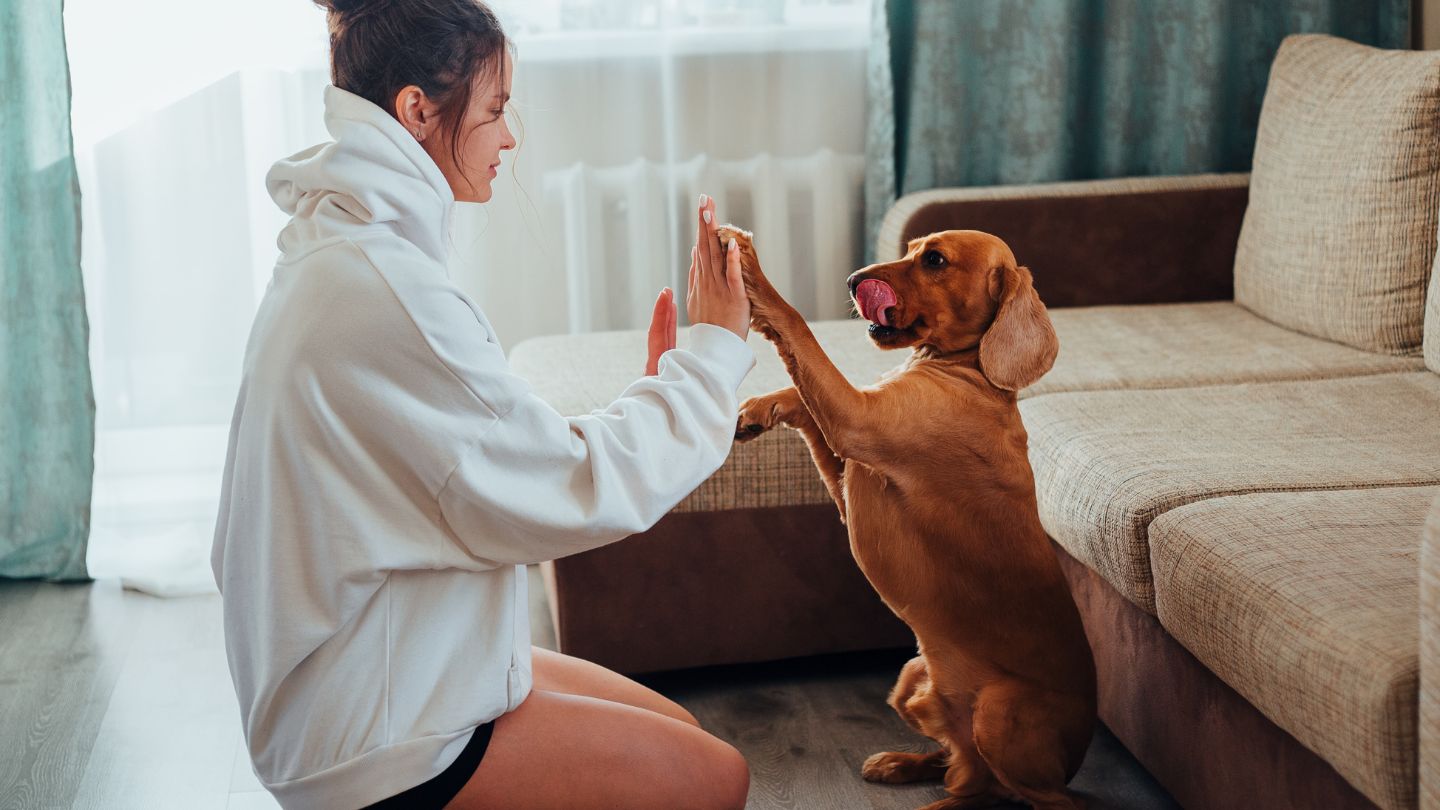
Every dog learns differently, and effective training starts with understanding the unique behaviors, routines, and environment that shape each dog’s daily life. In-home training allows owners and trainers to work through real challenges in familiar surroundings while creating a clear path toward better communication, confidence, and consistency. By focusing on practical situations and personalized guidance, dogs can develop skills that fit naturally into everyday life.
At Comprehensive Pet Therapy, we help families create positive training experiences through structured programs designed around each dog’s needs. Whether you are building basic skills through beginner obedience, improving engagement with a tricks class, preparing for specialized support through service dog training, or looking for in-home dog training in Atlanta, our team provides guidance that supports lasting progress. Contact us to learn how our training options can help you and your dog build a stronger connection.
In-home sessions focus entirely on one dog and family, using real household scenarios rather than a shared training room. Training plans, pacing, and practice setups are all customized to your dog’s behavior and your home, instead of following a fixed class syllabus. Group classes offer valuable socialization, but private sessions address the specific situations-like door greetings, barking, or leash manners-that happen where you live.
Home-based concerns are ideal: barking at windows, reactive behavior at the front door, guarding furniture or food, leash aggression starting at the front door, counter surfing, and anxiety when left alone. These problem behaviors are most effectively addressed where they actually occur. Trainers can customize lessons based on the dog’s unique environment and triggers.
Absolutely. Early puppy training in the home covers house training, crate comfort, chewing management, and gentle socialization with positive experiences. Customizing routines from the start helps puppies develop strong habits, name recognition, and confidence in their own environment-setting the foundation for a well-mannered dog as they grow.
Owner participation is essential. The goal is to teach both you and your dog how to work together effectively. Trainers guide you step by step so you feel comfortable using cues, rewards, and management strategies after each visit. Being involved during sessions ensures that your dog’s behavior improves not just with the trainer present, but in your everyday interactions.
Watch for changes such as smoother daily routines, quicker responses to cues, and fewer intense reactions to previous triggers. Your dog may settle faster, walk more calmly, or recover from excitement more easily. Trainers often use simple progress checklists or goal reviews to track improvements over time, so both you and your trainer have a clear picture of how far your dog has come.
Yes. In-home work can prepare dogs for later participation in group classes, sport training, or public outings by first teaching core skills in a low-distraction setting. This layered approach allows dogs to build confidence at home before practicing in more challenging, new environments with other dogs and unfamiliar humans. Many families find that starting with private sessions and then adding classes creates the strongest foundation for long-term success.

Need to get in touch with CPT? I’ve got you covered.
Pick what works best for you!


