Leaving your dog at a boarding facility for the first time can bring a mix of excitement and worry for pet owners. With a little planning and the right expectations, the experience can be smooth and stress-free for both you and your dog. From health requirements to daily routines, knowing what happens during boarding helps you feel more prepared. The goal is to ensure your dog stays safe, comfortable, and well cared for while you’re away. In this blog, we’ll walk through what to expect during your dog’s first boarding stay and how to prepare with confidence.
Let’s be honest—thinking about boarding your dog for the first time can stir up a lot of emotions. You might wonder: Will my dog feel abandoned? What if they refuse to eat? What if they’re scared the whole time?
These worries are completely normal. Your furry friend is part of your family, and leaving them with strangers in a new environment feels like a big leap. The good news? With some preparation and the right facility, most first-time boarders adjust faster than you’d expect.
So what does “boarding” actually look like? The options have expanded well beyond traditional kennels with concrete runs. Today, you’ll find modern pet hotel facilities with suite-style rooms, daycare-plus-overnight-stay combos, and even in-home boarding where your pup stays at a caregiver’s house. Each style offers different levels of social interaction, enrichment, and supervision.
How does boarding compare to alternatives? A pet sitter comes to your home, which keeps your dog in familiar surroundings but may offer less supervision. Asking a friend to watch your dog can work well, but it depends on their experience and schedule. Boarding facilities provide trained staff, structured routines, and emergency protocols—trade-offs worth considering based on your dog’s temperament and your travel needs.
The facility you choose directly affects your dog’s safety, stress levels, and overall well-being. A clean, well-staffed boarding facility with compatible playmates can make the experience feel like summer camp. A poorly managed one can leave both you and your pup stressed.
Start by making a shortlist. Use Google Reviews, Yelp, and local Facebook groups to find options in your area. Look for recent reviews that specifically mention cleanliness, staff attentiveness, and how problems were handled. Pay attention to patterns—one negative review might be an outlier, but repeated complaints about the same issue are a red flag.
Check basic credentials before scheduling tours:
| Credential | Why It Matters |
| Business license | Confirms legal operation and oversight |
| Liability insurance | Protects you if accidents happen |
| Staff on-site overnight | Ensures 24/7 supervision for overnight stay guests |
| Emergency vet relationship | Means quick access to care if your dog requires medical attention |
Match the facility style to your dog. A high-energy young dog who loves other dogs may do best at a daycare-style facility with lots of group play. An older dog or one who prefers quiet might thrive in a smaller operation offering one-on-one time and calmer surroundings.
Ask specific questions during your research:
An in-person tour is essential before booking a first stay. Photos and websites can only tell you so much—you need to see how the facility actually operates and how staff members interact with the dogs in their care.
What to look for on your visit:
Watch how the staff handles the dogs. Are they calm and confident? Do they use dogs’ names? Are they actively supervising play, or scrolling their phones? The way trained staff interact with all the dogs tells you a lot about daily care quality.
Try to visit at a real “busy” time—a Saturday morning or weekday afternoon during pick-up hours. You’ll see how they manage check-in chaos, handle excited dogs, and maintain control during group play.
If the facility allows, bring your dog along for a quick look around. Even a short visit helps them start building familiarity with the new surroundings before the actual stay.

Online reviews and word-of-mouth recommendations complement what you observe during tours. They reveal patterns you might miss in a single visit and provide insights from pet parents who’ve actually left their dogs there.
When scanning reviews, look for consistent themes:
Ask your veterinarian, trainer, or regular dog park friends for first-hand experiences with specific facilities. People who work with dogs professionally often know which places have good reviews and which to avoid.
Pay attention to how facilities respond publicly to negative reviews. A professional, problem-solving response (“We’re sorry about this experience and would like to discuss it further”) signals accountability. Defensive or dismissive replies suggest a culture that doesn’t handle feedback well.
Choose places mentioned consistently over several years, not just one or two glowing recent comments. Longevity and steady positive feedback indicate reliable quality, not just a good week.
Reputable boarding facilities have strict health rules to protect every dog—including yours. These requirements exist because dogs in close quarters can easily spread illness, and one sick pup can affect many others.
Most facilities require proof of core vaccinations dated within the required timeframes before check-in. Don’t wait until the day before your trip to discover your dog’s shots have lapsed.
Typical health requirements include:
Schedule a vet visit 1–3 weeks before boarding to update vaccinations, refill any medications, and get a written health summary. This timing allows vaccines to take effect and lets you address any health concerns before they become serious problems.
Intact males and females in heat often face restrictions. Some facilities won’t accept them; others house them separately and exclude them from group play. Ask about policies when you first call, so there are no surprises.
Here’s what most boarding facilities require for vaccinations:
| Vaccine | What It Protects Against | Typical Timing Requirement |
| Rabies | Rabies virus | Must be current per local law |
| DHPP/DAPP | Distemper, hepatitis, parvo, parainfluenza | Usually within 1 year |
| Bordetella | Kennel cough bacteria | Often within 6–12 months; some require 3–7 days before arrival |
| Canine Influenza (CIV) | Dog flu strains H3N2 and H3N8 | Required in some regions, especially after outbreaks |
Facilities typically want vaccine records dated, signed, or stamped by the vet. Many now accept records visible through online veterinary portals, but confirm what format they need.
Bordetella and some other shots need 3–7 days to provide protection, so last-minute vaccinations may not be accepted. Plan ahead.
Keep digital copies of all records—clear photos or PDFs work well—and email them to the facility before arrival. This prevents delays at drop-off when you’re already managing an excited or anxious pup.
If your dog has a medical exemption for any vaccine (due to age, illness, or previous reactions), discuss this in advance. Get a letter from your vet explaining the exemption and present it during booking, not at check-in.
Clear, written instructions prevent mistakes when staff follow routines. Don’t rely on verbal explanations alone—put everything in writing.
For medications:
Provide written notes about any chronic conditions—allergies, seizures, arthritis, diabetes—and describe what early warning signs look like for your specific dog. Staff can’t help if they don’t know what to watch for.
Include complete emergency contact information:
This information should be part of your paperwork, not buried in your phone where staff can’t access it.
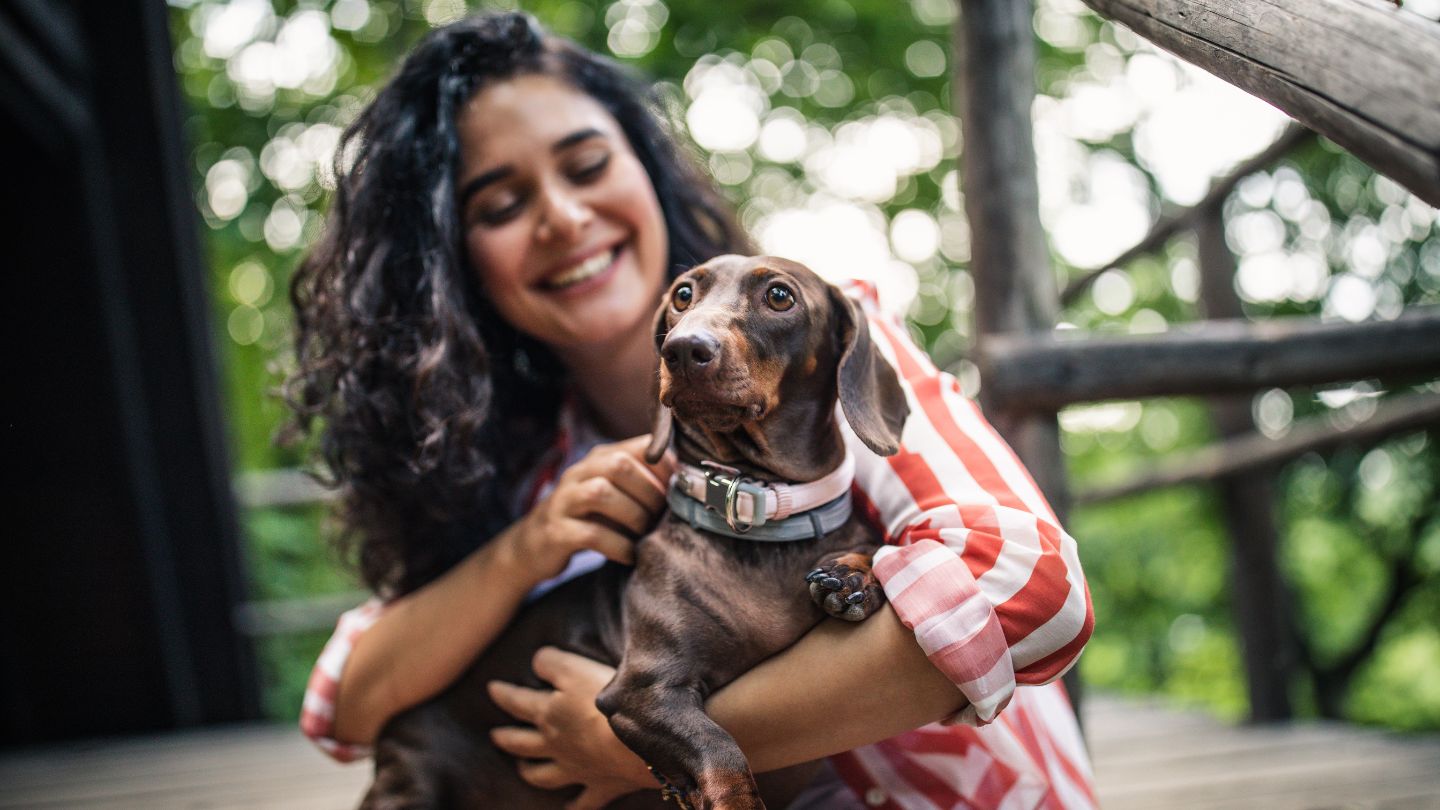
Preparing your dog for boarding is about training them to be comfortable away from home—not just dropping them off and hoping for the best. The effort you put in during the weeks leading up to their stay makes a real difference.
Dogs who already handle daycare, groomer visits, or staying with friends usually adjust faster to boarding, especially when dog training benefits have helped build confidence and communication. They’ve learned that unfamiliar surroundings don’t mean danger, and that you always come back.
Start practicing calm departures at home. Leave for short periods—first just a few minutes, then longer—without making a big production of it. This helps your dog learn that your leaving is a normal, temporary part of the daily routine.
Be honest with yourself about your dog’s behavior. Highly anxious or reactive dogs may need extra prep work, medication support from your vet, or a more specialized facility with one-on-one care. Pretending everything is fine doesn’t help anyone.
Preparation is often a process over days and weeks, not the night before. Start early, and give yourself time to address any issues that come up during trial visits.
Many facilities require a temperament evaluation or daycare trial run before accepting an overnight booking. This protects your dog and all the dogs already there.
Schedule a half-day or full-day daycare visit 1–2 weeks before your actual trip, while the dog training session length remains consistent enough to build comfort without overwhelming your dog. During this time, your dog meets staff, explores the environment, and experiences the daily routine without the added stress of an overnight stay.
What staff typically assess during evaluations:
For very unsure owners, a single overnight “practice” stay—maybe a random Tuesday in March when you’re not actually traveling—can reveal how your dog copes when you’re truly gone. You’ll learn whether they ate, slept, and settled, which gives you confidence before the real trip.
If your dog really struggles during trials (refusing food for extended periods, showing aggression, extreme distress that doesn’t improve), you may need to adjust plans. Consider a quieter, more one-on-one boarding service or explore alternatives like in-home pet sitting.
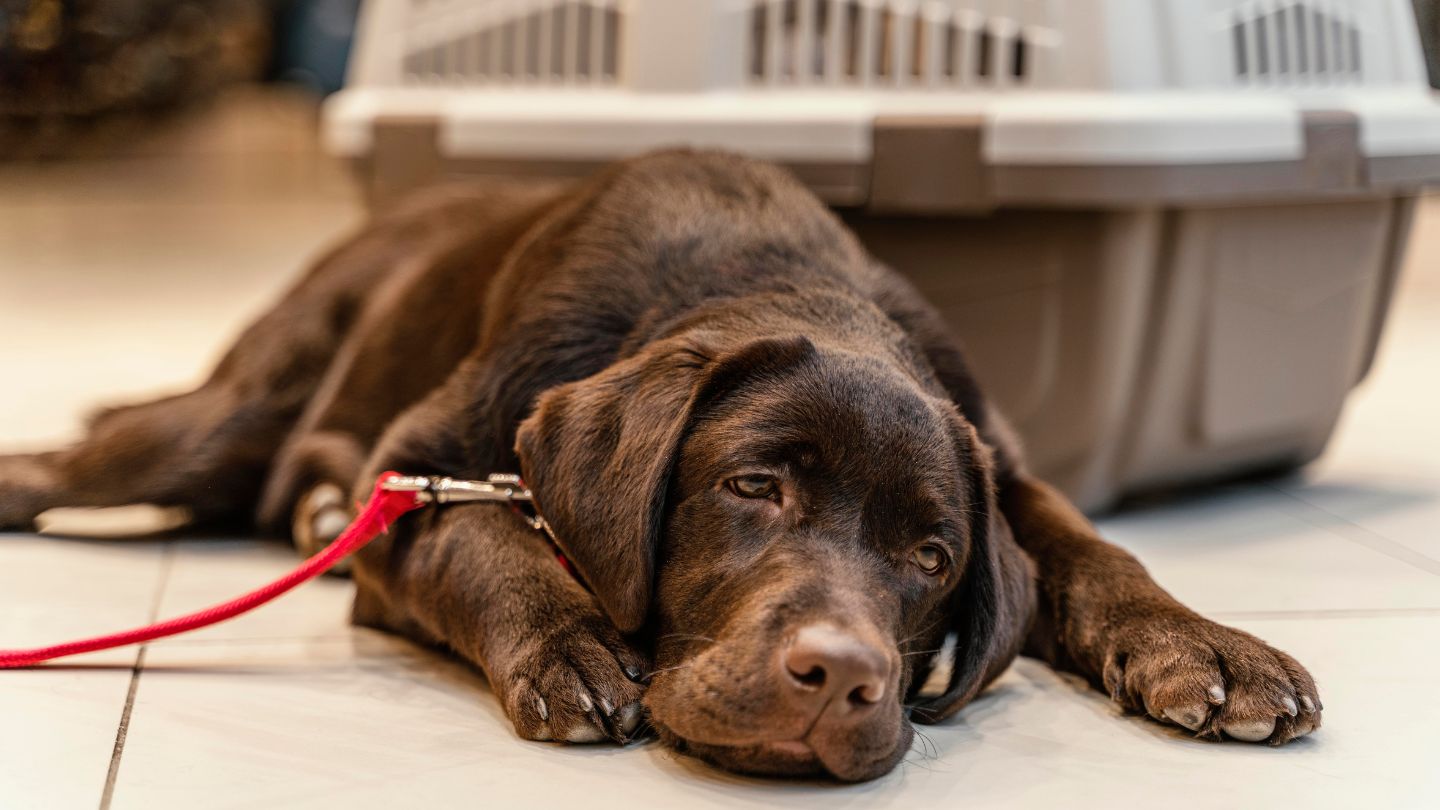
Mild stress during a first boarding experience is normal. Dogs adapt to new situations, and some initial nervousness is expected. Severe anxiety—panic-level distress that doesn’t subside—is different and requires intervention.
Learn to recognize subtle stress signals in your dog:
If your dog has a history of separation anxiety, discuss options with your veterinarian ahead of time. Calming tools that may help include:
Pre-trip routines also help promote calm. Give your dog regular exercise in the days before boarding to reduce pent-up energy. Use puzzle toys to tire their brain. Keep bedtimes and meal times consistent.
On drop-off day, keep your goodbye upbeat and brief. Long, emotional farewells at the lobby door teach your dog that departures are a big deal—which increases their anxiety, not decreases it.
A typical boarding day follows a structured schedule: morning potty breaks, breakfast, play sessions or walks, naps, afternoon activities, dinner, and quiet evening routines. Dogs are creatures of habit, and this predictability helps them settle.
Routines vary by facility. Some are play-heavy, feeling like daycare with sleepovers—lots of group play, splash pools, and activity. Others are quieter and more kennel-style, with individual walks and less group time. Neither is inherently better; it depends on what suits your dog’s temperament.
Here’s what a typical day might look like at a full-service boarding facility:
| Time | Activity |
| 7:00 AM | Wake up, first potty break |
| 7:30 AM | Breakfast, followed by a rest period |
| 9:00 AM – 12:00 PM | Group play sessions or individual walks (rotated) |
| 12:00 PM – 2:00 PM | Quiet time, naps, enrichment toys |
| 2:00 PM – 5:00 PM | Afternoon play, training, or one-on-one time |
| 5:30 PM | Dinner, potty break |
| 7:00 PM onwards | Quiet evening, lights dimmed for bedtime. |
First-time boarders often come home extra tired or slightly off their normal schedule. All that stimulation—new friends, new smells, new routines—is exhausting in a good way.
Good facilities track each dog’s behavior and will call if there are concerns about health or stress. You shouldn’t have to wonder if anyone is paying attention.
Dogs are typically grouped by size, age, and temperament to keep play safe and enjoyable. A 10-pound senior Chihuahua won’t be thrown into a yard with young Labrador retrievers.
Play sessions balance active time with scheduled rest:
Not all dogs are pushed into group play. Quiet dogs or those who prefer human company may enjoy solo yard time, one-on-one staff attention, or simply lounging in their suite with a Kong. Good facilities observe what each dog needs rather than forcing a one-size-fits-all approach.
Structured breaks help prevent conflicts. Overtired dogs—like overtired toddlers—get cranky and make poor decisions. Regular rest reduces the risk of scuffles and injuries.
Staff usually keep notes on how much each dog plays, rests, eats, and interacts. This information should be available to share with you at pickup.
Clear communication keeps you confident while you travel. You shouldn’t be left wondering how your pet’s stay is going.
Ask in advance how updates work:
Different facilities offer different levels of communication. Choose one that matches your comfort level—but be aware that obsessively watching webcams can sometimes increase your anxiety if you misinterpret normal behavior (like a dog resting alone) as distress.
Clarify when the facility will call you:
Provide a primary contact and a backup contact who can authorize decisions if you’re unreachable (on a plane, in a meeting, in a different time zone). Staff shouldn’t have to wait hours for permission to help your dog.
Keep your phone and email accessible during travel, especially on the first day of your dog’s boarding stay. That’s when issues are most likely to arise.
How you handle the first and last day can shape your dog’s long-term feelings about boarding. A calm, confident approach on your end helps your pup feel secure.
Arrive at drop-off early enough to complete paperwork without rushing, especially before peak travel dates when facilities are busy. Bring printed copies of feeding instructions and emergency contact information, even if you’ve already emailed them.
Keep your dog’s arrival positive:
At pickup, expect a very excited, vocal, or very sleepy dog—both are normal reactions. Some dogs go absolutely nuts seeing their owner; others are so exhausted they barely lift their head.
A calm evening at home helps dogs decompress. Offer extra water, a light meal, and quiet time. Resist the urge to immediately take them to a dog park or throw a welcome-home party.
Walk your dog before arrival so they’ve already gone to the bathroom and burned off some initial energy. A dog who’s had exercise is more likely to settle than one bursting with pent-up excitement.
At the desk, staff will typically review:
Bring printed instructions as backup. In the moment, it’s easy to forget details or get flustered.
When it’s time to hand over the leash, keep it simple. Give one upbeat cue, something like “Have fun!” or “See you soon!”, and then leave. Don’t hover in the lobby, cry, or repeatedly come back for one more goodbye. Lingering increases your dog’s anxiety by teaching them that departures are a big, scary deal.
Trust the process. Resist calling every hour unless you’ve agreed on a specific check-in schedule. The staff knows how to help dogs settle, and constant owner contact can actually slow that process.
Many facilities offer add-on services that can make a first stay more enjoyable—especially for anxious dogs or owners who want extra peace of mind.
Common upgrades include:
| Service | Best For |
| Extra play sessions | High-energy dogs who need more activity |
| One-on-one cuddle time | Shy dogs who prefer human attention to group play |
| Enrichment toys (Kongs, puzzles) | Dogs who need mental stimulation |
| Training refreshers | Reinforcing commands while you’re away |
| Going-home bath or nail trim | Convenience before pickup |
Focus on options that match your dog’s personality. An anxious first-timer might benefit more from extra quiet time with a staff member than from additional group play. A young, energetic dog might do best with added activity sessions to tire them out.
A going-home grooming session on the last day is convenient; you pick up a clean, fresh-smelling pup ready to snuggle on the couch.
Consider your budget and prioritize services that directly reduce stress or meet specific needs. Fancy upgrades are nice, but they’re not all necessary for a successful stay.
Boarding your dog for the first time can feel overwhelming, but the right preparation makes a big difference. When you plan ahead, choose a trusted facility, and help your dog adjust with trial visits and routines, boarding becomes a safe and positive experience. A calm transition supports comfort, confidence, and peace of mind.
If you’re considering dog boarding services in Atlanta, Comprehensive Pet Therapy will help dogs build calm behavior, better routines, and stronger confidence through preparation-based training. We provide growl classes, puppy classes, and dog training service options to support smoother boarding stays and easier transitions. We also welcome families looking for dog training classes in Alpharetta, Buckhead, and Roswell. Reach out today and let us help your dog feel ready, secure, and comfortable before their first boarding stay.
For busy travel periods like Christmas week, Thanksgiving, or July 4th, book your dog’s boarding stay 4–8 weeks early since top facilities fill quickly. For normal weekends or short trips, 2–3 weeks ahead is usually enough. Early booking also helps schedule trial visits and vaccine updates.
Senior dogs can board successfully with proper planning and the right facility. Look for quieter environments, smaller playgroups, comfortable orthopedic bedding, and staff experienced with medication routines. A vet check before boarding is helpful to confirm health and prepare for any special care needs.
This depends on the boarding facility’s policies. Some accept intact dogs with restrictions like no group play, separate housing, or additional fees. Many require spaying/neutering after a certain age, and females in heat are usually not allowed. Always confirm rules before booking.
It’s common for dogs to eat less during their first boarding stay due to stress or unfamiliar surroundings. Pack familiar food and a few tasty toppers like canned food or plain chicken. Request quiet feeding areas if possible. Staff usually notify owners if skipped meals become a concern.
Puppies can usually board once they complete their core vaccine series, often around 16 weeks old. Younger puppies are more vulnerable to illness and anxiety. Ask the facility about short trial stays, rest breaks, and supervised playtime to prevent overstimulation, especially around larger, more energetic dogs.

Need to get in touch with CPT? I’ve got you covered.
Pick what works best for you!