Dealing with an aggressive dog can be overwhelming. Fortunately, aggression is manageable with the right approach.
Understanding the root cause of a dog’s aggressive behavior is essential for successfully managing or extinguishing the behavior. Common causes of canine aggression include fear, insecurity, territoriality, and resource guarding.
Effective aggression modification combines evidence-based training, consistent routines, and preventive safety protocols. Rather than focusing on suppressing symptoms via punishment, emphasize addressing the underlying emotional state and anxieties that foster aggressive behavior. Concurrently, teach superior impulse control and reinforce positive behavior.
Structured environments, stimulus control, and professional guidance can transform aggressively reactive dogs into well-adjusted companions. Achieving goal outcomes requires patience, commitment, and an astutely designed training program. Yet, with time, effort, and wisdom, we can modify the behavior of the vast majority of aggressive dogs, even those considered severely aggressive. Resultantly, the dog becomes a happier, calmer, more confident animal. And from the humans’ perspective, the dog becomes safer and more compatible with the lifestyle, needs, and preferences of family members, neighbors, and the extended community.
Although some breeds more frequently exhibit out of context aggressive behavior, no breed is inherently aggressive. Most often, aggression stems from a combination of genetic, epigenetic, and environmental factors. The aforementioned influences increase the probability of a dog exhibiting abnormal fear, anxiety, territoriality, or resource guarding.
Prior trauma can strongly influence the development of aggressive behavior as a mechanism to cope with stress, fear, or anxiety. Rescue dogs that experienced abandonment, abuse, or neglect are more likely to exhibit inappropriate aggressive behavior than dogs properly nurtured throughout their lifetime. Likewise, traumatic or inhibited socialization during critical developmental periods (esp. 3 –1 4 weeks) can increase the probability of a dog becoming aggressive.
Medical issues can also provoke aggressive behavior. Pain-induced aggression may occur as a result of disease, injury, or inflammation. Therefore, if your dog becomes suddenly aggressive or increasingly aggressive, without a known correlation to an event that caused psychological trauma, we recommend consulting a veterinarian for diagnosis and treatment of the primary condition. In such a case, treating the disease, injury, or inflammation is the first-line modality for resolving the dog’s aggressive behavior.
Aggression can be innate or learned. For example, most German Shepherds will naturally guard an owner’s property. However, if the family’s Golden Retriever puppy barks alongside the adult German Shepherd, that is a learned behavior. Learned behavior can also occur with resource guarding, when a dog growls or snaps while a human or household animal approaches food or a toy favored by the growling/snapping animal. If the receiving party, human or animal, backs off, then the aggressive animal learns that growing or snapping is an effective coping mechanism for maintaining control of resources.
Awareness of the preceding distinctions helps when determining the most appropriate training approach for an individual dog’s personality and circumstances. Knowledge provides insight into the complex dog psychology that underpins an aggressive dog’s actions.
This is why CPT professional trainers acquire a dog’s chronological, behavioral, environmental, health, and training history before developing an aggression modification program. This way, the CPT trainer can better understand the origins, stimuli, contexts, thresholds, and severity relevant to a client dog’s aggression, which enables superior program customization and more effective outcomes.

Owners of aggressive dogs must consider safety as a vital issue- safety for the dog, the owner, neighbors, and cats, dogs, and wildlife in the community. Proper protocols protect your dog, humans, and animals, while providing the controlled environment necessary for effective training.
Provide your dog at least one secluded, segregated space within your home. The space can be a crate, a quiet room, or an area divided by baby gates. A secluded space provides an aggressive dog a known available retreat when a stressful stimulus enters the home.
Early physical warning signs of anxiety or impending aggression include raised hackles, stiff posture, intense staring, preening, cowering, retracted ears, furrowed facial features, raised upper lip, and bared front teeth. When observing any of the listed signs, immediately increase your dog’s distance from the provocative stimulus and redirect his/her attention to you or to a pleasant object, such as treats or a toy.
When observing impending aggression, calmly remove the trigger from the environment, remove your dog from the trigger, or create environmental barriers. Then, allow your dog time to decompress in a safe space.
Understanding the specific type of aggression your dog displays is important when developing an effective behavior modification strategy. Each form of aggression has distinct triggers, body language indicators, and optimal tailored training approaches.
Fear aggression manifests through specific defensive postures that signal your dog feels threatened. Physical signs include cowering, with the head and torso lowered close to the ground; backing away from the perceived threat; tucking the tail between the rear legs; looking away in avoidance; and stress panting, even in cool temperatures. When a perceived threat is considered severe or potentially life threatening, the dog may produce fight-or-flight responses.
Common fear triggers include loud noises, like thunderstorms or fireworks; unfamiliar people approaching quickly; confined spaces, such as veterinary examination rooms; and sudden movement. Fear-based aggression often escalates when a dog feels cornered, without an outlet for safe retreat.
Formerly abused dogs may react adversely to specific triggers that remind them of past trauma, such as raised hands, loud voices, or barking dogs. Under-socialized puppies or dogs may react aggressively to novel stimuli, as they are often maladaptive when attempting to cope with novelty and transitions. For instance, dogs who weren’t exposed to children or urban traffic when young may react adversely to such stimuli.
CPT private in-home dog training lessons, create customized counterconditioning and systematic desensitization programs that gradually increase the dog’s confidence amidst stimuli and contexts currently perceived as threatening.
Territorial aggression occurs when dogs perceive a person or animal’s approach as an intrusion into their perceived domain. A dog may display aggression regarding a variety of recognized territories, including outdoor or indoor property boundaries, crates, food bowls, high-value toys, sleeping areas, and even family members. The intensity may range from low to high arousal. with associated displays of stiff posture, hovering over or around resources, snapping, and biting upon approach.
Resource guarding behaviors often start subtly. Dogs exhibit food aggression often begin by simply eating faster when approached. They may later progress to freezing over their food bowl, growling, snapping, or biting. Understanding symptoms and escalation levels helps identify early intervention points, when training is most likely to achieve indelible success.
Territorial aggression is more frequent in certain breeds. However, dogs of any breed can exhibit inappropriate or excessive territorial behavior. Regardless of whether you have a Rottweiler, a Jack Russell Terrier, or a Chihuahua, you should take territorial aggression and resource guarding seriously. If you observe early symptoms, promptly contact CPT to commence a professional treatment plan.
Redirected aggression occurs when dogs cannot reach their intended target, whereupon they redirect their frustration or anger toward a proximal alternative. The behavior commonly happens during leash walks, when dogs become frustrated by their inability to approach other dogs. Such reactive dogs may then redirect energy toward the owner or another nearby animal or person. Understanding leash aggression, what it is, and how to manage it, is a critical component of successful reactivity training. “Leash reactivity,” especially dog-dog leash reactivity, is one of the most visible and common forms of aggression in public settings.
Redirected aggression can also occur when a nervous dog is restrained during a veterinary examination. The anxious, restrained dog may lash out at whomever is closest to the dog’s mouth, regardless of whether the person is an owner or a veterinary employee previously considered affectionately.
Barrier aggression develops when dogs repeatedly experience frustration upon restraint by barriers, like fences, windows, or leashes, whereby the barrier prevents access to a person, dog, cat, wildlife, or another enticing or arousing stimulus. Over time, the presence of the listed barriers may become a trigger for reactive behavior, even without the presence of the original trigger stimulus. Thus, the dog develops a negative association regarding the barrier environment, whereupon the barrier becomes a trigger stimulus.
Barrier frustration can also prompt redirected aggression. A context that frequently triggers barrier-related redirected aggression occurs when neighbor dogs fight through fence lines. Due to territoriality or barrier frustration, the dogs on opposite sides become increasingly aroused and aggressive toward one another. However, the fence barrier prevents contact. Consequently, with the barrier preventing access to the initial trigger stimulus, dogs may physically redirect arousal, frustration, or hostility toward a family dog jointly running the fence line. We have seen barrier-related redirected aggression create severe and permanent disharmony in family dog relationships, even though prior to an incident the dogs exhibited optimal social dynamics.
Research consistently demonstrates that positive reinforcement is the key to successful dog training. Compared to aversive techniques, positive methods produce superior outcomes both for the average pet dog and for aggressive dogs. Optimally, behavior modification focuses on changing a dog’s emotional response to triggers while teaching alternative behaviors. When your dog’s emotions become balanced and calm, then his/her behavior will coincide. In contrast, aversive methods risk elevating fear, agitation, anger, or frustration, whereby to avoid punishment your dog may temporarily modify his/her behavior when you are present. However, your dog’s punishment-prodded supervised behavior may be deceptive, as he/she may maintain an aggressive response when unsupervised. Consequently, positive reinforcement provides a more versatile and indelible solution.
Change your dog’s emotional response by pairing triggers with high-value rewards at sub-threshold distances. Gradually reduce distance while maintaining positive associations. Mild cases may achieve tangible results in just 1 session. However, severe cases may require several weeks or months. CPT develops individualized protocols for triggers that provoke reactivity, such as strangers, dogs, cats, wildlife, or moving vehicles.
Core exercises that educate the dog to focus on the owner, rather than environmental stimuli, teach self-control and reinforce calm, structured behavior. CPT prefers 5 to 10-minute training sessions, repeated multiple times daily (time permitted). The preceding design balances learning opportunities with mental recovery.
Create routine and establish formal protocols when and where your dog misbehaves and lacks structure. Structured routines pattern desirable replacement behaviors and promote positive associations.
Additionally, provide physical and mental stimulation through regular and rigorous exercise, obedience training, and/or agility training. Proactive stimulation relaxes and satisfies generally understimulated dogs. CPT can assist owners in designing and implementing ideal lifestyle, training, and exercise protocols.
Ideally, aggressive dog training applies careful environmental management that prevents recurrence of unwanted behaviors. Concurrently, your dog’s behavior modification program should build constructive positive associations that encourage adoption of productive replacement behaviors.
A regular, appropriately stimulating daily schedule decreases stress. More importantly, reducing your dog’s stress diminishes the probability of aggressive incidents. Until your dog is completely trained, to reduce the likelihood of reactive episodes, schedule walks at less busy places during less busy times of day. Create predictable patterns around walking, exercise, feeding, and training that help your dog feel secure, relaxed, and content.
Yet, there are variables that require some customization to ideally tailor each dog’s behavior modification program. A dog’s temperament, aptitude, experiential history, and home environment pose factors that a CPT Trainer will consider when designing a client’s program. Dogs residing in apartments, especially those without access to a fenced yard or facility dog park, may benefit from the indoor cognitive stimulation of puzzle toys and scent work. On the other hand, dogs possessing access to fenced yard areas may benefit from retrieve, chase, and outdoor scent games. However, fenced yard areas also come with a caveat. Do not leave a reactive dog unsupervised and unoccupied within the fenced area, whereby he/she territorially and reactively barks at passing persons or dogs, threatens delivery persons, or bites another family pet when exhibiting barrier frustration.
When guests enter your home, your dog should apply a formal doorway greeting and visitor transition protocol. CPT can help you with this endeavor. Dogs should not overreact when the doorbell rings, someone knocks, or someone walks by your sidewalk or up your driveway. When visitors arrive, dogs should calmly, confidently, quietly, and safely greet guests at the door. Dogs should also learn to remain calm when a visitor elevates from a chair, moves toward the refrigerator, or returns to a room after using the restroom. If your dog isn’t ready for close contact, then keep your dog segregated or leased or on a dog bed at a distance where he/she can feel safe and remain calm. Never allow interactions between your dog and visitors where your dog may feel agitated, unsafe, and provoked. Similarly, never force your dog to engage with guests if your dog appears insecure or overly aroused.
Since there are times when you may be away for an extended day or overnight period, gradually socialize your dog with a neighbor who can comfortably and safely enter your home to administer water, feeding, toileting, and walks. To address a potential illness or unexpected behavioral situation, provide the neighbor with emergency contact information for your veterinarian and professional dog trainer.
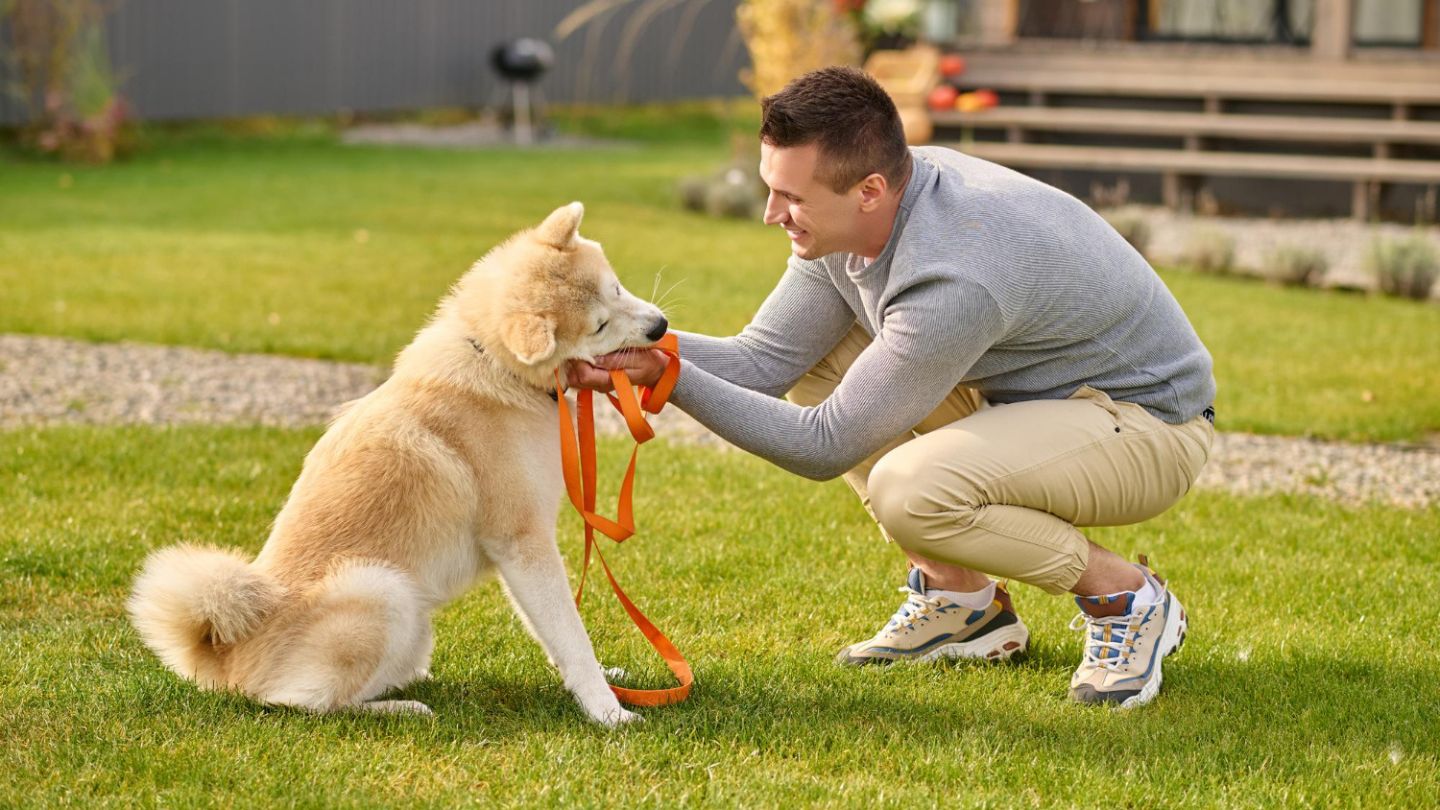
Professional intervention is critical when reactive or aggressive events:
CPT Head Trainers are experienced, educated, knowledgeable, and accomplished dog behaviorists. We recommend scheduling an appointment before a calamitous situation occurs that injures a friend or neighbor, harms a neighborhood dog or cat, prompts citations from animal control, quarantines your dog, or forces you to defend a lawsuit.
Working with an aggressive dog requires a strategic, evidence-driven roadmap that prioritizes safety, emotional rehabilitation, and long-term behavioral change. While the process can feel daunting, consistent routines, customized behavior-modification strategies, and preventive environmental stimulus control equip even highly reactive dogs to develop confidence, stability, emotional regulation, and healthier coping behaviors.
Comprehensive Pet Therapy delivers a robust portfolio of aggressive dog training in Atlanta that families can rely on for their proven record of success. CPT’s programs span every stage of age and skill development, from foundational behavior work in Beginner Obedience, to expanded skill-building through Intermediate Obedience, more advanced refinement in Advanced Obedience, and customized applications during Private Instruction and Virtual Instruction. For dogs requiring enriching outlets, CPT also offers Dog Agility Training. With science-backed methods and personalized programs, CPT provides a comprehensive, professional framework that achieves sustainable behavioral transformation for even the most challenging canine reactivity cases.
Yes. While no ethical professional guarantees complete elimination of aggression, CPT evidence-based behavior modification programs can dramatically reduce frequency, intensity, and contexts, increase trigger thresholds, and diminish your legal and financial risk. With structured routines, environmental management, customized exposure therapy, and positive reinforcement training, the vast majority of client dogs achieve stable, predictable behavior and improved emotional regulation.
If aggressive behavior is out of character for your dog, first investigate medical causes. Pain, neurological issues, hormonal shifts, and underlying illnesses can trigger abrupt behavioral change. A veterinary exam should occur concurrent with training intervention. Optimally, treatment plans address both behavioral and medical contributors.
Possibly. However, punitive methods pose a risk of increasing fear and anxiety, which may counterproductively escalate aggression, rather than resolve it. Scientific research and anecdotal evidence consistently support positive reinforcement, counter-conditioning, systematic desensitization, and impulse control methodologies as the safest and most effective long-term strategies for modifying aggressive behavior.
Engage a CPT professional when there is any bite history, intensifying patterns, or expansion of triggers or contexts. Complex cases, including fear-based aggression, resource guarding, or territorial behavior, benefit from a CPT customized, multi-modal treatment plan.
Timelines vary based on temperament, severity, history, environment, owner consistency, and owner aptitude. Mild cases often show progress within 1 session. Whereas moderate to severe aggression cases often require several weeks or months of diligent work. Sustainable change depends on daily management, consistent protocols, and alignment with professional guidance.

Need to get in touch with CPT? I’ve got you covered.
Pick what works best for you!