Early training decisions directly impact a dog’s long-term behavior, responsiveness, and ability to function reliably in everyday environments. One of the most critical, and often misunderstood, choices is when to begin training. In this blog, you’ll learn why the first 16 weeks of a puppy’s life represent a unique learning window and how early, positive training can prevent behavior problems, build confidence, and create a calmer, more enjoyable lifelong relationship between you and your dog. At Comprehensive Pet Therapy (CPT), training programs are built on decades of experience, evidence-based methods, and a results-driven approach focused on long-term behavior and reliability.
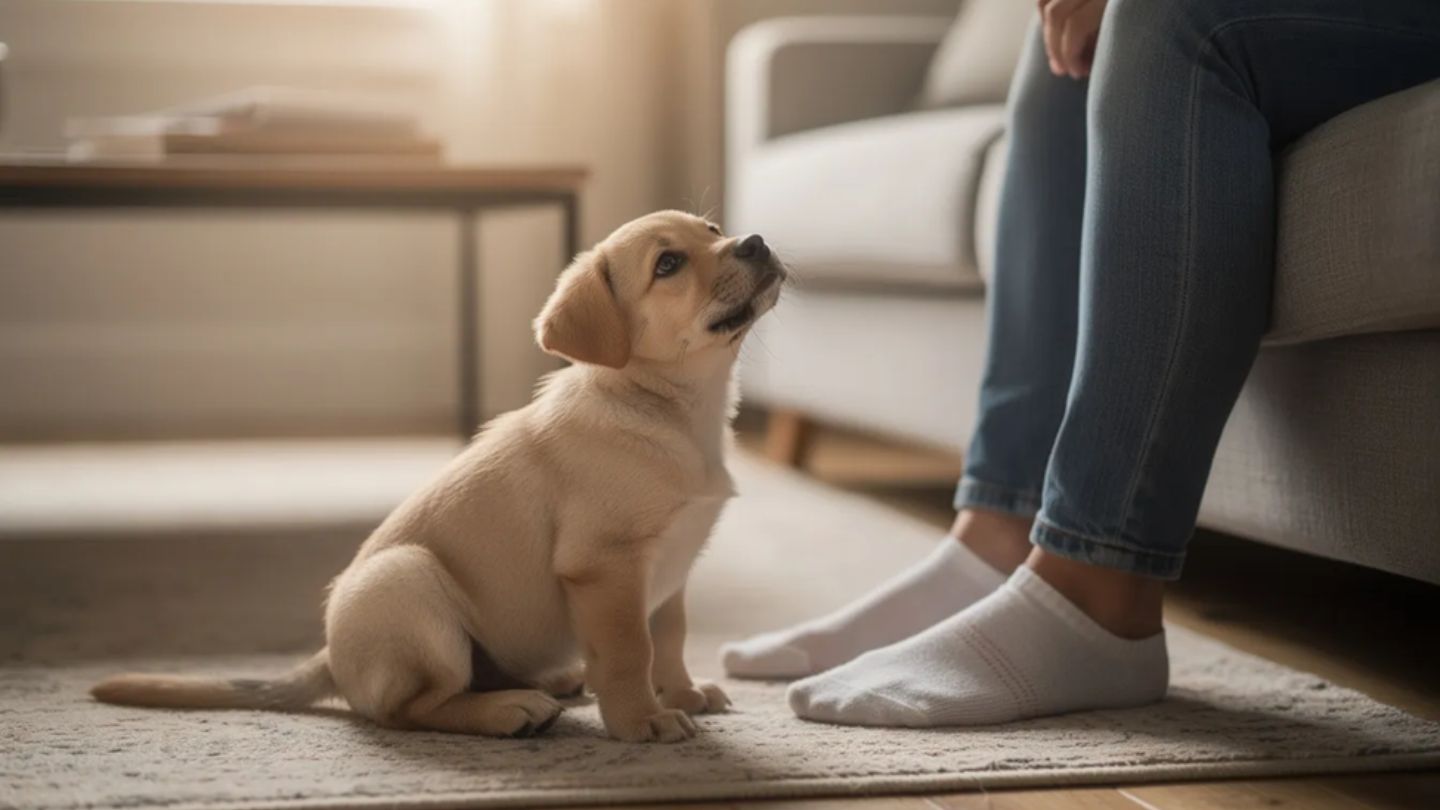
The first 16 weeks provide the best opportunity to establish consistent behavior and responsiveness. During this stage, puppies are more adaptable to new experiences, making it easier to introduce structure, basic commands, and controlled socialization. Early training helps build reliable behavior patterns, preventing common issues and improving long-term results.
Focusing on proactive skill-building during this period yields more consistent outcomes than correcting behavior later. Understanding when to start training your puppy is less about waiting for milestones and more about taking advantage of this early developmental flexibility.
What does “training” look like for a puppy this young? It’s not strict obedience drills or long sessions. It’s short, fun, reward-based interactions woven into daily life. It’s rewarding your puppy for sitting before meals, praising them for choosing to lie down calmly, and celebrating when they come running at the sound of their name. This approach aligns with principles rooted in dog psychology, where learning is shaped by emotion, repetition, and positive outcomes rather than force or intimidation.
To understand why the first 16 weeks matter so much, it helps to see how puppies develop through distinct phases. Each age range brings different learning abilities, and recognizing where your puppy is helps you work with their natural development rather than against it.
| Age Range | Developmental Stage | Key Characteristics |
| 0–3 weeks | Neonatal/Transitional | Eyes and ears opening; relies on mother; gentle handling by breeder matters. |
| 3–8 weeks | Early Socialization | Learning from littermates; beginning to explore; typically still with breeder. |
| 8–16 weeks | Prime Socialization Window | Peak curiosity and openness; ideal time for training your puppy |
| 4–6 months | Late Puppyhood | Fear periods emerge; hormones increase; foundations become critical |
The socialization window, approximately 3–16 weeks, is when dogs learn most readily. By 12–16 weeks, puppies naturally become more cautious and less open to new experiences. This shift is an evolutionary survival mechanism; in the wild, older puppies needed to become more wary of potential threats. For domestic dogs, this means the window for easy, positive learning begins to close.
Late puppyhood (4–6 months) brings fear periods, growing independence, and hormonal changes that can make training more difficult if the foundations are missing. A puppy that hasn’t learned impulse control or basic commands by this point often develops behavioral issues that require significant work to address. CPT trainers adapt training plans across these stages, helping puppies transition smoothly into adolescence and adulthood with fewer setbacks and stronger behavioral reliability.
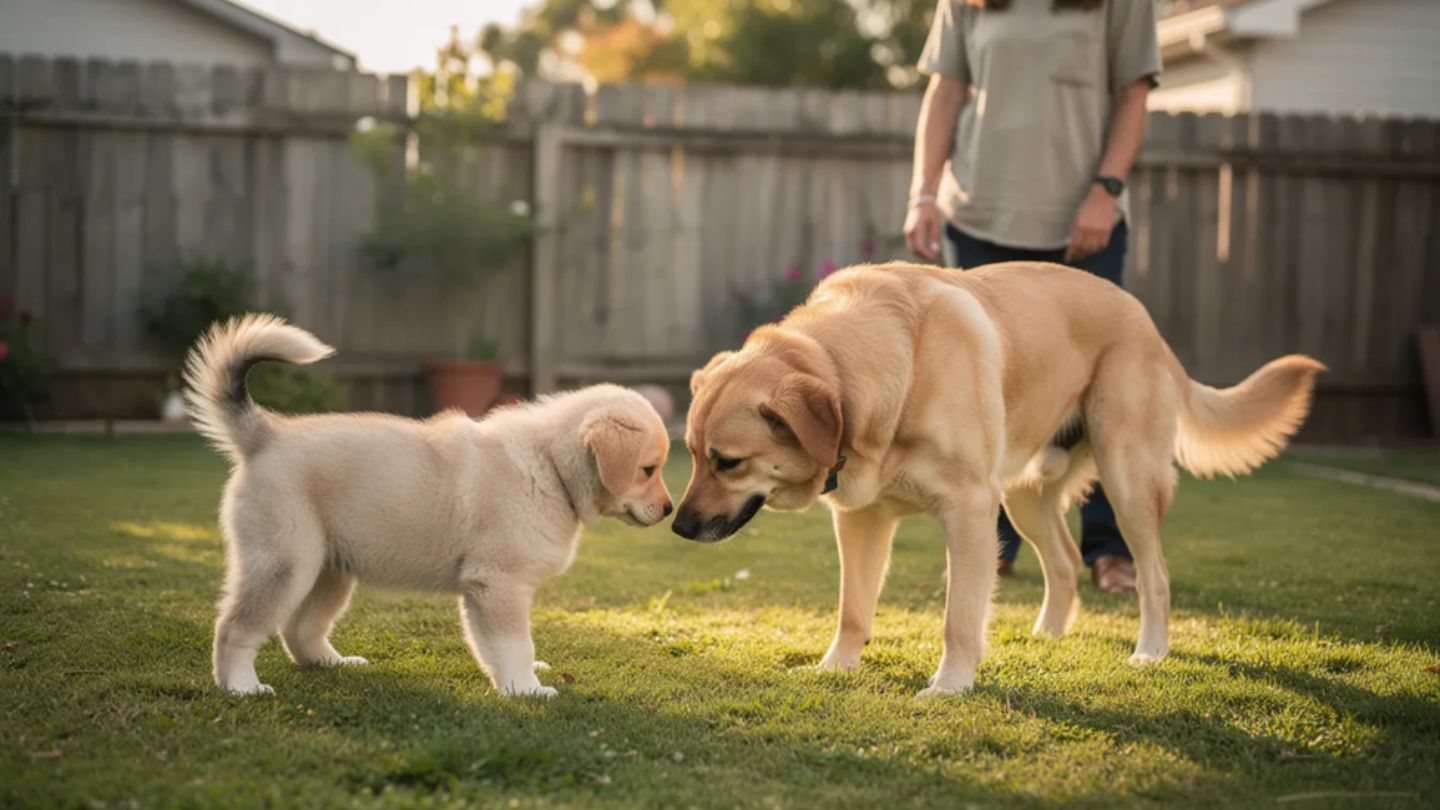
Socialization is one of the most misunderstood aspects of early puppy development. Many people think socialization means playing with other puppies or meeting lots of dogs. In reality, early socialization is about teaching your puppy how the world works, helping them develop calm curiosity rather than fear or over-excitement.
The goal isn’t to create a puppy that goes wild with excitement at every new thing. Instead, you want your puppy to notice something new, check it out briefly, and then relax. This calm curiosity is the foundation of a well-adjusted dog and reflects why positive reinforcement is the key to successful dog training; it builds confidence rather than suppressing behavior.
This prevention-focused approach supports CPT’s results-driven philosophy: early training helps reduce the likelihood of fear, anxiety, reactivity, and long-term behavior challenges.
Concrete targets help you make consistent progress. Here’s what to work toward:
People Exposure
Environmental Variety
Use small, soft treats and gentle praise to build positive associations whenever your puppy notices something new. The moment they look at a new person or hear an unfamiliar sound, reward their curiosity. This creates the pattern: new thing equals good thing.

Young puppies naturally repeat whatever works for them. If jumping gets attention, they’ll jump. If whining opens the crate door, they’ll whine. If grabbing shoes leads to a fun chase game, shoes become targets. This is why early training isn’t just about teaching cues, it’s about establishing household rules before bad habits take root. CPT emphasizes these everyday life skills because they directly improve household harmony, owner confidence, and long-term enjoyment of life with a dog.
Consistency across all family members is essential. A puppy that’s sometimes allowed on the sofa and sometimes punished for it learns confusion, not manners.
Early obedience training doesn’t mean drilling your puppy like a military recruit. It means teaching simple cues that make daily life safer and smoother.
| Cue | Purpose | How to Practice |
| Name | Gets attention | Say name, reward eye contact |
| Sit | Default polite behavior | Lure with treat, reward position |
| Down | Settling and calmness | Lure from sit, reward position |
| Come | Recall for safety | Call enthusiastically, reward heavily |
| Let’s Go | Walking together | Reward for following, keep it fun |
The goal at this stage isn’t robotic precision. It’s happy, eager participation and a puppy that looks to you for guidance. That relationship building matters more than perfect form.
Enrolling in a positive-reinforcement puppy class between 10 and 16 weeks offers structured socialization, basic skills training, and expert coaching for owners. Good puppy classes provide controlled exposure to other puppies, teach foundational cues, and answer the countless questions new owners have.
Early professional guidance helps families prevent problems before they become habits. Investing in expert guidance now supports long-term success and helps you build the happy dog and strong bond you’re hoping for.
Raising a well-adjusted puppy isn’t about teaching tricks as quickly as possible; it’s about building foundations that support a lifetime of good behavior. By focusing early on name recognition, recall, happy handling, impulse control, and calm alone time, you create safer outings, smoother vet visits, and a more relaxed home. As puppies mature, these early life skills naturally evolve into more structured learning that supports long-term success.
At Comprehensive Pet Therapy, that progression includes beginner obedience, which builds focus and understanding of basic cues; intermediate obedience, to strengthen reliability around distractions; and advanced obedience, for refined self-control and responsiveness. Dogs who enjoy movement and mental challenges often benefit from dog agility training, while creative learners gain confidence and engagement through tricks classes. For families seeking a personalized approach, private instruction and virtual instruction provide flexible, individualized support, all complementing our trusted puppy training classes in Atlanta that help dogs thrive at every stage of life.
Begin training the day your puppy comes home, usually around 8–10 weeks old. Start with name recognition, potty routines, and gentle handling. Keep sessions one to two minutes long and use everyday interactions as learning opportunities.
Yes, controlled socialization is recommended by veterinary behaviorists. Avoid high-risk areas like dog parks, but safely socialize through clean puppy classes, trusted vaccinated dogs, and carried outings. Always consult your veterinarian about local disease risks.
You haven’t missed your chance. Puppies and adult dogs can learn at any age with positive training. Progress may be slower, so focus on gentle exposure, rewarding experiences, and consider working with a qualified professional trainer.

Need to get in touch with CPT? I’ve got you covered.
Pick what works best for you!