Winter weather can be tough on dogs, especially when temperatures drop below freezing, and wind chills become severe. Even breeds with thicker coats can struggle when outside time lasts longer than expected. Cold exposure can lead to discomfort, dry paws, and even dangerous conditions like hypothermia. Keeping your dog warm outdoors requires more than just quick potty breaks. In this blog, we’ll cover practical ways to protect your dog from winter cold, including clothing, shelter setup, paw care, and safe outdoor routines.
When winter weather arrives, spending time outdoors becomes genuinely risky for many dogs. In Georgia and the Atlanta area, winter cold snaps can still drop temperatures near freezing, catching pet parents off guard. Wind, wet snow, and freezing rain make the cold feel even more intense, stripping heat from your dog’s body faster than still, dry air ever could.
Not all dogs handle cold temperatures the same way. Northern breeds like Siberian Huskies and Alaskan Malamutes have dense double coats and were bred to thrive in frigid climates. But most companion breeds, such as Beagles, French Bulldogs, or Labrador Retrievers, are designed for life alongside humans indoors, not for surviving extended cold nights in a backyard kennel.
The risks of cold exposure go beyond simple discomfort. Dogs left outside in winter can develop hypothermia when their body temperature drops dangerously low. Frostbite can damage ears, tail tips, and paw pads. Joints stiffen, especially in older dogs with arthritis. And dogs who spend significant time outdoors in cold months burn through calories faster just trying to stay warm.
Many U.S. states now have laws limiting how long dogs can be left outdoors in freezing conditions without adequate shelter and care. These regulations exist because animals need protection from weather extremes, and because keeping your dog warm in the winter is both a legal responsibility and a fundamental part of responsible pet ownership.
There is no single “safe” temperature that applies to every dog. Your dog’s breed, size, coat type, age, and health all influence how well they handle the cold. That said, general temperature guidelines can help you make smarter decisions about outdoor time.
Here is a practical temperature framework for most dogs:
| Temperature Range | Risk Level | Guidance |
| Above 45°F (7°C) | Generally safe | Most healthy, medium to large dogs can stay outside comfortably |
| 32–45°F (0–7°C) | Use caution | Small, thin-coated, and senior dogs need protection; limit the time for all dogs. |
| 20–32°F (-6–0°C) | Risky | Many pets need coats, booties, and shortened outdoor sessions |
| Below 20°F (-6°C) | Unsafe | Most dogs need only brief bathroom breaks; close supervision is required |
Wind chill matters as much as the thermometer reading. A calm 30°F day feels very different from a windy 30°F day with freezing rain. Damp fur from slush, wet snow, or rain loses its insulating ability quickly, making your dog feel much colder than the actual air temperature suggests.
Some breeds genuinely thrive in cold. Huskies, Newfoundlands, Samoyeds, and Bernese Mountain Dogs have thick winter coats and robust physiques built for sub-zero work. On the other hand, Chihuahuas, Greyhounds, Boxers, and senior toy breeds can start feeling cold even in mild temperatures around 40°F.
The best approach combines the thermometer with your dog’s behavior. If your dog is shivering, lifting paws off the ground, or pulling toward the door, it is time to head inside, regardless of what the weather app says.
Individual tolerance varies widely, and understanding your specific dog’s needs matters more than following breed stereotypes alone.
Recognizing early signs of cold stress allows you to bring your pup inside before hypothermia or frostbite develops. Dogs cannot tell us in words when they are uncomfortable, so watching their behavior is essential.
Frostbite often affects the ears, tail tip, and paws. The affected skin may appear pale or grayish and feel very cold or hard to the touch. As the tissue warms, it typically becomes red, swollen, and painful. Severe frostbite can lead to tissue death.
If you notice any of these warning signs, end outdoor time immediately. Move your dog to a warm, draft-free indoor space and begin gentle warming with blankets, while preventing panic-related chewing by addressing inappropriate dog chewing behavior. Avoid hot water or heating pads, which can cause burns or damage frostbitten tissue. Move your dog to a warm, draft-free indoor space and begin gentle warming with blankets. Avoid hot water or heating pads, which can cause burns or damage frostbitten tissue.
Some situations require professional veterinary care. Contact your vet or an emergency clinic if:
Hypothermia and frostbite are emergencies. When in doubt, call your veterinarian; it’s better to ask than to wait too long.
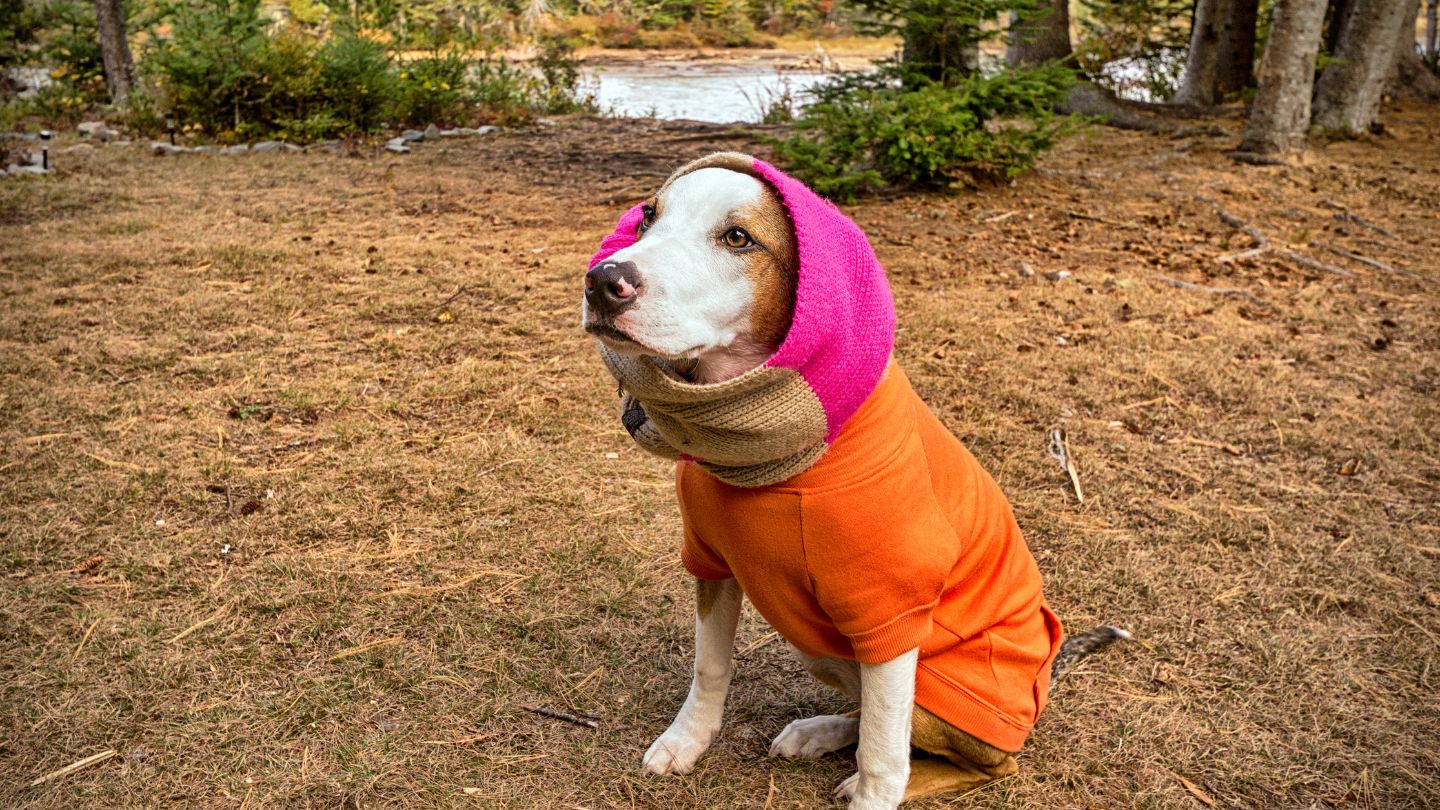
Well-fitted sweaters, coats, and booties can make winter walks and backyard time safer and more comfortable for many dogs. While a thick winter coat protects some breeds naturally, dog clothing is often necessary for others.
Protective gear becomes especially helpful once temperatures fall below about 40°F (4°C) for small dogs and below 32°F (0°C) for many medium dogs with short or thin coats. The goal is to reduce heat loss while keeping your dog dry.
One critical rule: outdoor gear should always be dry before putting it back on your dog. A damp sweater or wet booties can actually accelerate heat loss rather than prevent it. After each outing, check that all clothing is thoroughly dried before the next use.
Always supervise dogs wearing clothing or boots outside. Gear can snag on branches, dogs may try to chew off unfamiliar booties, and poorly fitted items can cause slipping or discomfort. Remove all winter gear once you are back indoors so your dog can dry fully and avoid overheating.
The right coat provides warmth without restricting movement or making bathroom breaks awkward. Look for these features:
For cool days around 40–50°F (4–10°C), a light fleece sweater often provides enough warmth. For snow, sleet, and temperatures at or below freezing, choose an insulated, waterproof coat that keeps moisture out.
Dogs with a thick coat or double coat often do not need additional clothing. In fact, a Husky or Malamute running hard in cold weather may actually overheat while wearing a coat. Watch for panting or attempts to remove the garment as signs your dog is too warm.
If your pup seems nervous about wearing clothing, introduce it gradually. Let them wear the sweater indoors for a few minutes at a time while offering treats and praise. Most dogs adjust quickly once they associate the gear with positive experiences.
Even with the best coat, avoid long periods outdoors in the dangerous cold. Clothing adds protection but does not make extended exposure in 10–20°F (-12 to -6°C) temperatures safe for most pets.
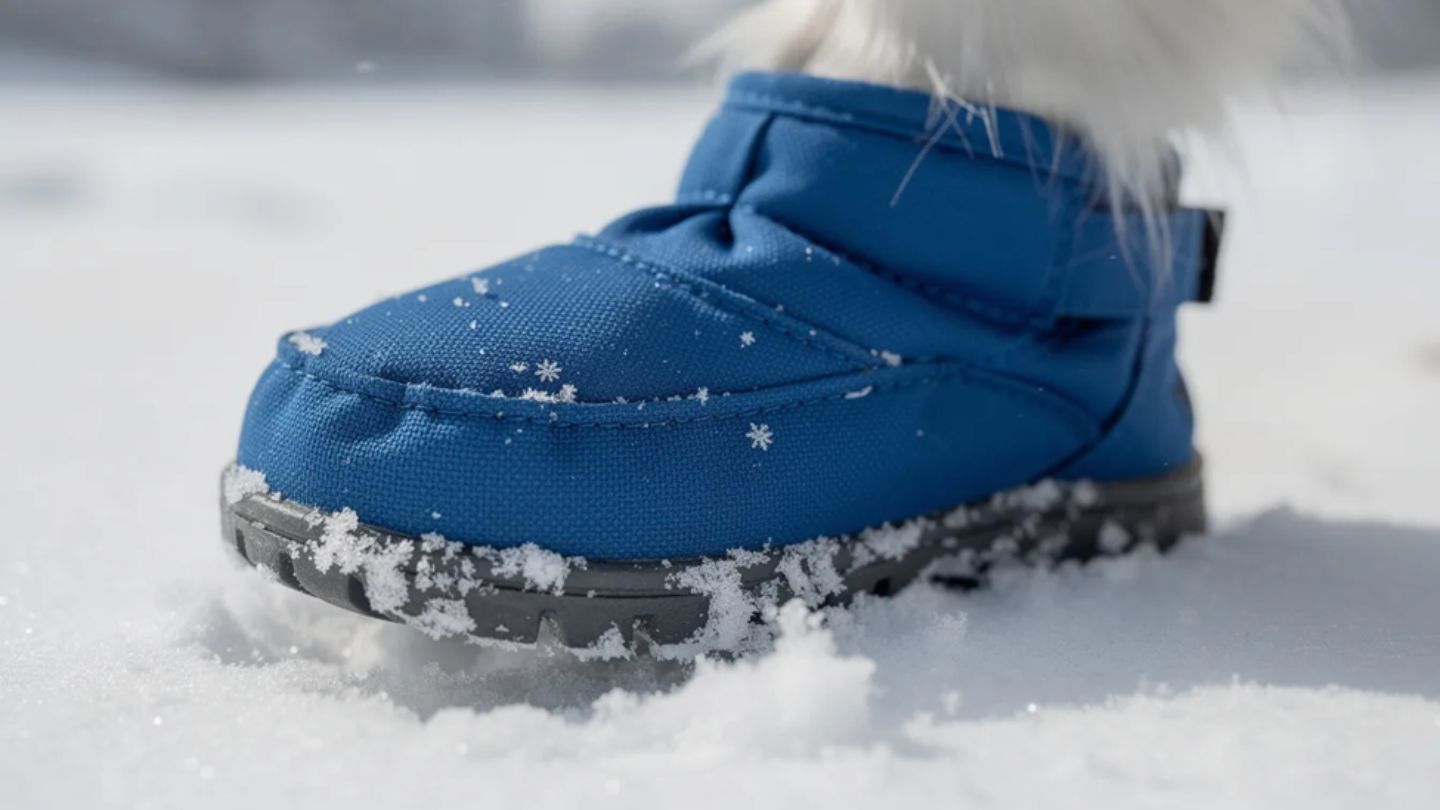
Your dog’s paws are in constant contact with cold ground, ice, road salt, and de-icing chemicals. These hazards can dry, crack, and irritate the delicate skin of paw pads, and many de-icers are toxic if licked.
Proper fit is essential. Booties should stay on securely without slipping off or rubbing uncomfortably. Many dogs resist booties at first, so take time to get your pup used to paw handling. Practice having them wear boots indoors for short periods, rewarding calm behavior with treats.
For dogs that absolutely will not tolerate boots, apply a thin layer of pet-safe paw balm or wax before going outside. This creates a protective barrier that reduces salt penetration and helps prevent cracking.
After every winter walk, boots or no boots, rinse your dog’s feet with warm water to remove salt, chemicals, and ice. Dry thoroughly, including between the toes. This simple habit protects paw pads and prevents your dog from ingesting toxic residues when they lick their feet.
If your dog must spend any regular time outdoors in winter, whether in a backyard or kennel, a proper dog house is essential. The shelter needs to block wind, keep out moisture, and retain your dog’s body heat effectively.
Most family dogs should still sleep indoors overnight in winter. Outdoor shelters work best for supervised daytime use or brief periods outside. Even working dogs and farm dogs benefit from coming inside during the coldest nights.
Key shelter principles include:
Metal barrels, uninsulated plastic crates, and open porches are not adequate winter shelters in freezing conditions. A properly designed shelter can keep interior temperatures significantly warmer than the outside air, especially when occupied by a resting dog.
The best outdoor doghouses use sturdy, insulated materials like wood or composite panels with insulation built into the walls and a sloped roof that sheds snow and rain.
Dry bedding is essential for keeping dogs warm in outdoor shelters. The bedding provides insulation from below and reduces contact with cold surfaces.
Straw is often the preferred choice for outdoor dogs because it is warm, insulating, and does not retain moisture as readily as fabric blankets. Thick straw creates air pockets that trap heat effectively. Cedar shavings or several layers of washable fleece blankets can also work well.
Replace bedding weekly or whenever it becomes damp. Wet or frozen bedding rapidly loses insulating value and can actually pull heat away from your dog’s body, making the situation worse rather than better.
For additional warmth, consider heated kennel pads or heated water-resistant mats specifically rated for pet use. These products typically feature:
Never use space heaters, open flames, or human electric blankets in outdoor shelters. These create serious fire and burn risks in enclosed spaces. Heat lamps, while sometimes used in agricultural settings, also pose significant hazards and require extreme caution.
Check the shelter daily during cold months for leaks, drafts, frozen bedding, and iced-over water. Heated bowls designed for pets can provide constant access to unfrozen water, but cords must be protected from chewing.
Exercise remains important in winter, but outdoor sessions should be shorter and more intentional when temperatures drop. A cold day does not mean your dog should skip activity entirely; it means adjusting how and when you spend time outside together.
General time guidelines for active outdoor time:
| Temperature Range | Healthy Medium Dogs | Small/Senior/Vulnerable Dogs |
| 32–45°F (0–7°C) | 30–45 minutes | 15–25 minutes |
| 20–32°F (-6–0°C) | 20–30 minutes | 10–15 minutes |
| Below 20°F (-6°C) | Brief bathroom breaks only | Very brief supervised outings |
Below 20°F (-6°C), most dogs should go out only for quick bathroom breaks and very brief play, with close eye contact and monitoring for any signs of discomfort.
Dogs kept in outdoor kennels during the day need wind-protected runs, insulated resting areas, and regular check-ins to ensure they are dry and comfortable. Even outdoor dogs benefit from periods indoors during extreme cold.
On extremely cold days, supplement shorter walks with indoor enrichment like scent games, training sessions, puzzle feeders, and interactive play, supported through the benefits of dog training, which helps tire your dog mentally without requiring long periods outside in dangerous conditions. Scent games, training sessions, puzzle feeders, and interactive play can tire your dog mentally without requiring long periods outside in dangerous conditions.

Staying warm requires extra energy, and good overall health supports your dog’s ability to handle cold months like December through February. Whether your dog spends significant time outdoors or just takes daily winter walks, nutrition and hydration deserve attention.
Dogs who regularly exercise outdoors in winter may need a modest increase in calories. Some sources suggest outdoor dogs can require 25–50% more food to replenish energy lost while staying warm. However, dogs that mostly stay inside and are less active may not need extra food, and could gain unwanted weight.
Hydration is as critical in winter as in summer. Snow is not a reliable water source, and outdoor water bowls can freeze within hours on a cold night. Ensure your dog has constant access to unfrozen water. Plastic bowls are preferable to metal in winter, as metal can cause tongue injuries in freezing temperatures.
Grooming also affects warmth. A clean, unmatted coat insulates better than a dirty, tangled one. Matted hair traps moisture and loses its insulating properties. However, reduce bath frequency in winter and ensure your dog is completely dry before any outdoor time.
If your dog is older than 7–8 years or has chronic conditions like arthritis or heart disease, schedule a veterinary check-up in autumn. Cold weather can worsen joint stiffness and make underlying health issues more challenging to manage.
For dogs spending significant time outdoors in cold months, consider these adjustments:
Keeping your dog healthy through proper nutrition, grooming, and veterinary care gives them the best foundation for handling whatever winter brings.
Keeping your dog warm outside during winter comes down to smart time limits, proper shelter, and close monitoring. Cold stress can happen quickly in wind, wet snow, or freezing temperatures, even for hardy breeds. With the right gear and routine, winter outdoor time can stay safe and comfortable.
Comprehensive Pet Therapy provides professional dog obedience training in Atlanta designed to build calm behavior, stronger communication, and lasting confidence for dogs of all ages. For reliable dog training classes in Alpharetta, Brookhaven, Buckhead, Sandy Springs, and Roswell, we offer structured programs that support better behavior, safety, and confidence in every season. We also provide growl classes, puppy classes, and professional dog training services for dogs of all ages and behavior needs. Contact us today to schedule training and help your dog stay confident year-round.
Most healthy medium dogs can handle 20–30 minutes of active time in 20–32°F (-6–0°C) weather if they stay dry and are monitored. Small, thin-coated, senior, or sick dogs may only tolerate 10–15 minutes. Below 20°F (-6°C), keep outdoor time to brief breaks.
For most households, dogs should sleep indoors during winter, especially when temperatures drop below freezing. Only well-acclimated working dogs with insulated shelters and frequent checks may stay outside. If outdoor sleeping is unavoidable, use a raised, insulated shelter with dry bedding and wind protection.
No. Human electric blankets and space heaters create serious burn and fire risks, especially in enclosed shelters. If extra warmth is needed, use pet-rated heated kennel mats made for outdoor use with chew-resistant cords. Always follow safety guidelines and inspect cords regularly for damage.
Some dogs tolerate short snow walks without boots, but many benefit from booties due to ice, sharp snow crust, and harmful de-icers. Even if your dog doesn’t wear boots, rinse and dry paws after walks to remove salt and check for cracking or irritation.
Yes. Enjoying snow doesn’t mean your dog is safe from frostbite or hypothermia. Wind, wet snow, and extreme cold increase risk quickly. Use time limits based on temperature, watch for signs like paw lifting or slowing down, and provide warm indoor breaks regularly.
Need to get in touch with CPT? I’ve got you covered.
Pick what works best for you!