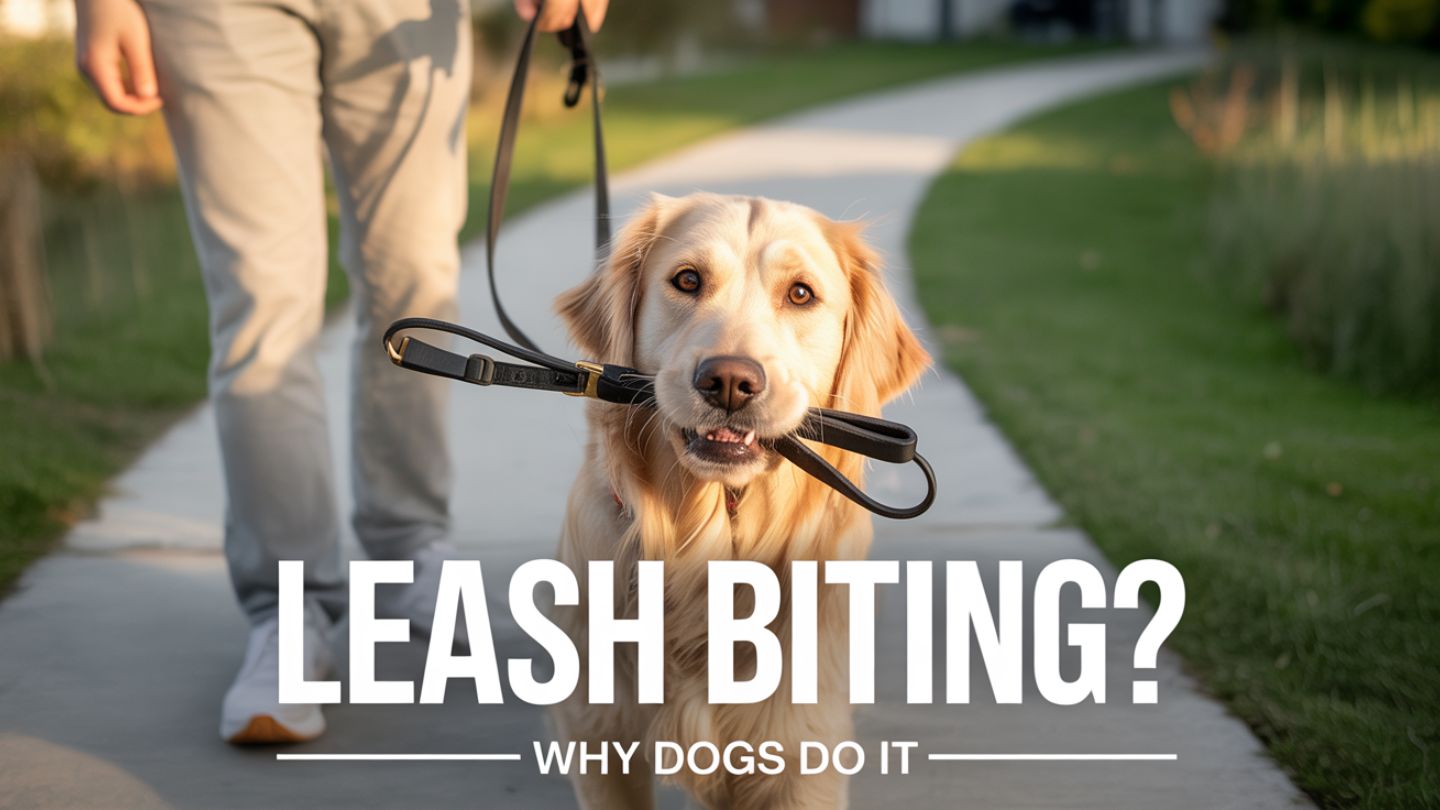
Leash biting can turn what should be a relaxing walk into a stressful and exhausting experience for dog owners. One moment you’re heading out the door, and the next, your dog is jumping, grabbing the leash, and refusing to move forward. While this behavior is common—especially in excited puppies and overstimulated adult dogs—it’s often a sign of unmet needs, confusion, or excess energy rather than disobedience. Understanding the reasons behind leash biting is key to stopping it effectively and humanely. This blog outlines why dogs bite the leash, what triggers the behavior, and proven strategies to help create calmer, more controlled walks. With the right approach, daily walks can become something both you and your dog genuinely enjoy again.
Leash biting is a common behavior that affects many dog owners, but with consistency and the right techniques, most dogs can learn to walk calmly within a few weeks.
Picture this: you’ve just grabbed the leash from its hook, and your dog is already bouncing with excitement. The moment you step outside, they lunge at the leash, clamping down near the clip and shaking it like they’ve caught prey. What was supposed to be a relaxing stroll has become a full-body workout—and not the kind you signed up for.
Leash biting can show up in several ways:
This behavior often starts the moment the leash goes on—sometimes before you even leave the house. Other times, it’s triggered by specific situations: seeing another dog across the street, a skateboard rolling by, or turning onto a busy road with lots of new sights and sounds.
The practical problems pile up quickly. Many puppies and adult dogs can chew through a nylon or fabric leash in minutes, creating a serious safety risk if you’re near traffic. Your shoulders and wrists take a beating from the constant pulling and jerking. And let’s be honest—it’s embarrassing to be that person in the dog park whose walk looks like a comedy sketch.
If this habit isn’t addressed during early leash training, it can become the dog’s default on-leash behavior. What starts as puppy playfulness can turn into a costly habit that makes walks stressful for everyone involved.
Before you can stop biting behavior, you need to understand what’s driving it. The common reasons dogs bite their leashes usually fall into a few categories—and none of them involve your dog being “bad” or trying to assert dominance.
Many puppies naturally explore the world with their mouth. Everything gets chewed, tasted, and tested—including that interesting rope-like thing attached to their collar. Teething peaks around 4–6 months, making leash chewing even more appealing because the pressure on their gums feels good. Mouth-driven behaviors often don’t stay isolated to one object. Puppies who chew leashes frequently chew furniture, shoes, and household items as well. Understanding how to stop inappropriate dog chewing behavior can give you additional insight into redirecting oral habits in a productive way. When you address the underlying need to chew rather than just the leash itself, improvement tends to happen faster and with less frustration.
Dogs who don’t get enough mental and physical exercise often create their own entertainment. If walks are slow, repetitive, and don’t allow for sniff time or engagement, your dog might decide the leash is the most interesting thing available. Turning it into a tug toy adds excitement to an otherwise boring outing.
This is one of the biggest drivers of leash biting in dogs of all ages. When your dog desperately wants to reach something—other dogs, an interesting person, a squirrel, or even just a fascinating smell—and the leash prevents them, that frustrated energy has to go somewhere. The leash becomes the outlet.
Think about it: your dog spots another dog across the street and pulls toward it. You hold firm. The frustration builds, and suddenly they’re grabbing and shaking the leash because they can’t get to what they want.
Dogs that were never taught loose leash walking may genuinely not understand what’s expected. If pulling, jumping, and grabbing have always been part of walks, your dog might think that’s just how this game works.
Some dogs feel overwhelmed by the outside world. Traffic noise, construction sounds, crowds, or unfamiliar environments can trigger anxiety. An anxious dog might bite or mouth the leash as a way to self-soothe—similar to how some people bite their nails when nervous.
Sometimes the answer is simpler than you’d think. A collar that rubs, a harness that tightens uncomfortably when they pull, or hardware that pinches can cause irritation. The dog may grab at the leash near the source of discomfort.
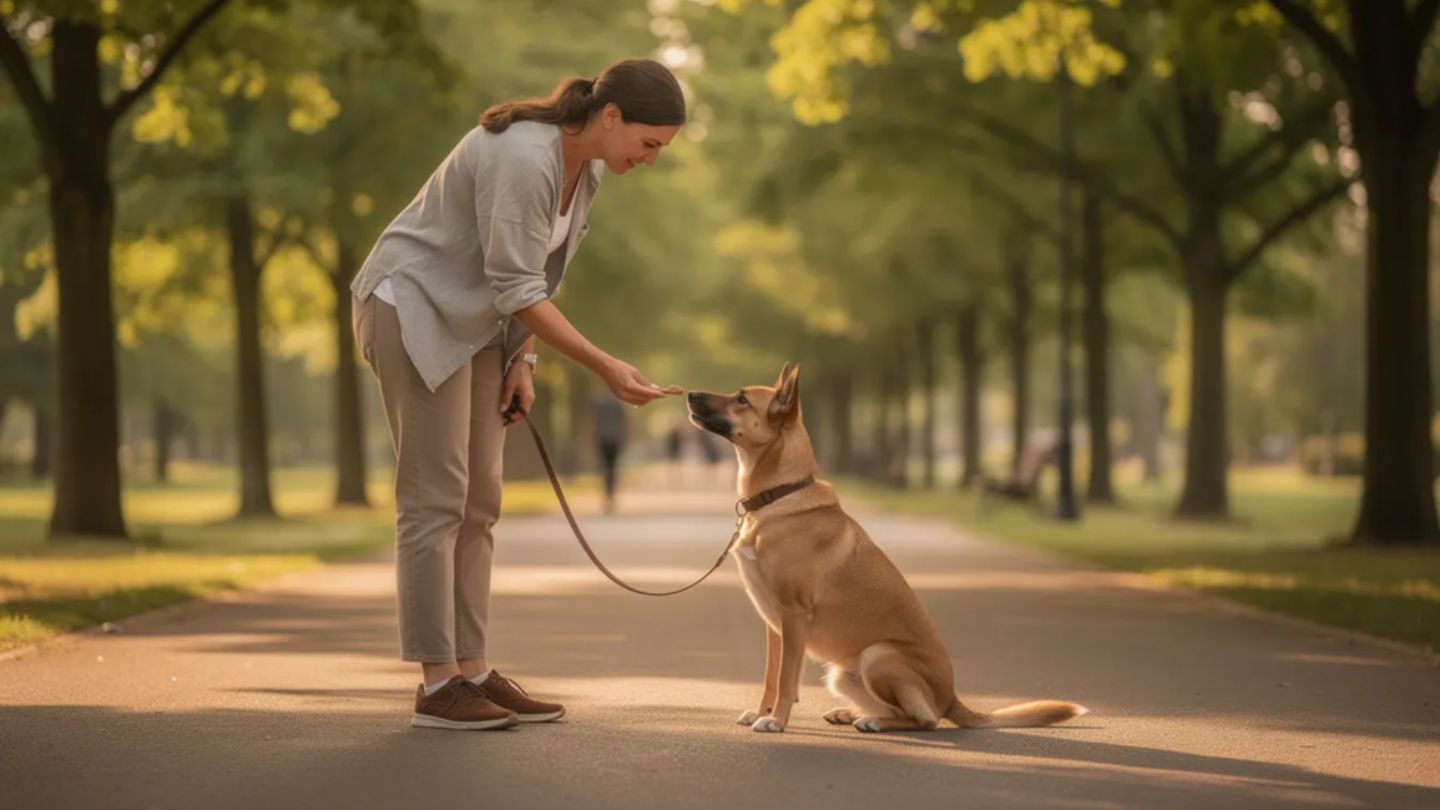
Now for the part you’ve been waiting for. This section gives you a clear, practical protocol you can start using today. Plan on dedicating 5–15 minutes per session, with several short walks each day working better than one long chaotic outing.
The core principle is simple: reward what you want to see more of. When your dog walks calmly without grabbing the leash, good things happen. When they bite the leash, the fun stops.
For the first few days, practice in the calmest space possible—a quiet hallway, your driveway, or a peaceful side street. Trying to teach new skills in a stimulating environment sets everyone up for failure.
Hold the leash so it stays fairly short and doesn’t dangle in front of your dog’s face. A swinging, bouncing leash looks like an invitation to play. Keep it out of sight and out of mouth.
Regular kibble probably won’t cut it here. Break out the real chicken, cheese cubes, or soft training treats—whatever makes your dog light up. These are your secret weapons for keeping your dog engaged and focused on you.
Any time your dog bites the leash, stop moving immediately. Stand still like a tree. Don’t speak, don’t pull back, don’t engage. Wait silently until your dog releases the leash on their own. The moment they drop it, mark the behavior (“Yes!”) and resume walking. The reward for letting go is the walk continuing.
Everyone who walks your dog—family members, dog walkers, kids—needs to respond the same way. If one person plays tug and another ignores it, you’ll confuse your dog and slow progress dramatically. Commit to 2–3 weeks of consistent responses before expecting major changes.
Positive reinforcement isn’t just a buzzword—it’s the most effective approach for teaching most family dogs new behaviors. Rewarding good behavior consistently works better than punishing bad behavior.
Here’s how to put it into practice:
For example, you might walk 10–15 steps, rewarding each time your dog glances up at you or keeps the leash hanging loose instead of pulling tight. Gradually space out rewards as the dog’s behavior improves.
Don’t forget the power of sniff breaks as a reward. After a short stretch of good walking, let your dog sniff that bush or lamppost. Sniffing is naturally calming for dogs and makes the walk itself feel like fun, not just a march from point A to point B.
Some dogs are simply more oral than others. Retrievers, young herding breeds, and terriers often have a strong urge to carry things in their mouth. Fighting this instinct is harder than redirecting it.
Give these dogs a designated toy to hold on walks:
Before you leave the house, cue “take it” and hand your dog the toy. Praise enthusiastically when they carry it. If they drop the toy and go for the leash, calmly remove the leash from their mouth, offer the toy again, and only resume walking once the toy is in use.
The key rule: never use the actual leash as a tug toy during play sessions. Dogs don’t understand context the way we do—if the leash is a fun game at home, it’s a fun game on walks too.
A dangling, swinging leash in front of your dog’s chest looks exactly like a moving toy to a young or excited pup. Small handling adjustments can make a big difference.
Better leash grip technique:
| What to Do | Why It Helps |
| Hold the handle in one hand | Keeps control secure |
| Gather extra length in loose folds | Prevents dragging and tangling |
| Keep the clip-side portion short but loose | Reduces dangling near the dog’s face |
| Position the leash beside or behind the dog | Removes temptation to pounce |
| Walk the dog on one consistent side | Creates a predictable leash position |
What you want to avoid: jerking or yanking the leash when your dog grabs it. Sharp movements usually trigger more excitement and make the dog think it’s time to play tug. Instead, hold firm and still until they release.
Certain common reactions actually reward or intensify leash chewing instead of stopping it. Knowing what to avoid is just as important as knowing what to do.
Pulling back hard, shaking the leash, or laughing at your dog’s antics might seem harmless, but you’re teaching them that grabbing the leash starts something exciting. Even negative attention can be rewarding to a bored or attention-seeking dog.
Yelling, hitting, or using physical punishment can increase stress and frustration—exactly the emotions that often cause leash biting in the first place. A stressed dog may clamp down harder, redirect their frustration elsewhere (including toward your hands), or become anxious about walks altogether.
Simply pretending you don’t notice while your dog drags you down the street isn’t the answer. “Ignoring” in dog training means removing the rewards (movement, attention, engagement), not letting the behavior continue unchecked.
If dad plays tug-of-war with the leash while mom uses the tree method, your dog will keep testing to see what works. Everyone needs to respond the same way, every time.
Let’s clarify what “ignoring” actually means in a training context. You’re not pretending the behavior isn’t happening—you’re strategically removing everything that makes the behavior worthwhile.
For very small puppies or small breeds, you can gently drop the loose part of the leash and step on it, limiting their movement while staying calm yourself.
When this approach doesn’t work:
If your dog escalates to intense thrashing, snarling, or starts biting toward your hands or legs instead of the leash, this is no longer a simple training issue. Stop the walk, get to safety, and consult a professional trainer or veterinary behaviorist. Some dogs need a more structured behavior modification plan.
Sometimes changing your gear can make leash biting physically harder or less appealing, buying you time while training takes effect. Equipment isn’t a magic solution, but the right setup supports your training efforts.
A comfortable Y-shaped harness that clips on the back keeps the leash attachment point farther from your dog’s mouth than a collar or front-clip harness. This alone can reduce grabbing opportunities.
For dogs who obsessively chew through fabric or leather leashes, a chain leash (or a short chain section near the clip) can help. Most dogs don’t enjoy chewing metal. Note: Use a chain leash, not a chain collar—we’re talking about the leash material only.
Bitter apple and similar non-toxic deterrent sprays can be applied to the lower portion of the leash. Follow label directions and test on a small area first. This works best as a temporary measure while you’re building new habits.
Stick with 4–6 foot leashes during training. Retractable leashes and very long lines are harder to control and leave more material dangling within reach.
Check your leash regularly for fraying or damage. If you can see inner fibers or the safety stitching is starting to break, replace it before it fails at a critical moment.
Many dogs bite the leash most intensely in the first few minutes of a walk when excitement peaks. A calming pre-walk routine can take the edge off before you even step outside.
Try these strategies:
Think of these early training walks as skill-building sessions, not exercise. Once your dog masters calm walking, you can gradually increase the length and add more challenging environments. For highly energetic dogs, structured physical and mental outlets outside of regular walks can dramatically reduce leash frustration. Many owners eventually ask whether agility training offers numerous benefits for their dog when seeking ways to channel their dog’s excess drive in a productive way. Activities that build impulse control, focus, and body awareness often make everyday leash skills easier because the dog’s overall arousal level is more balanced.
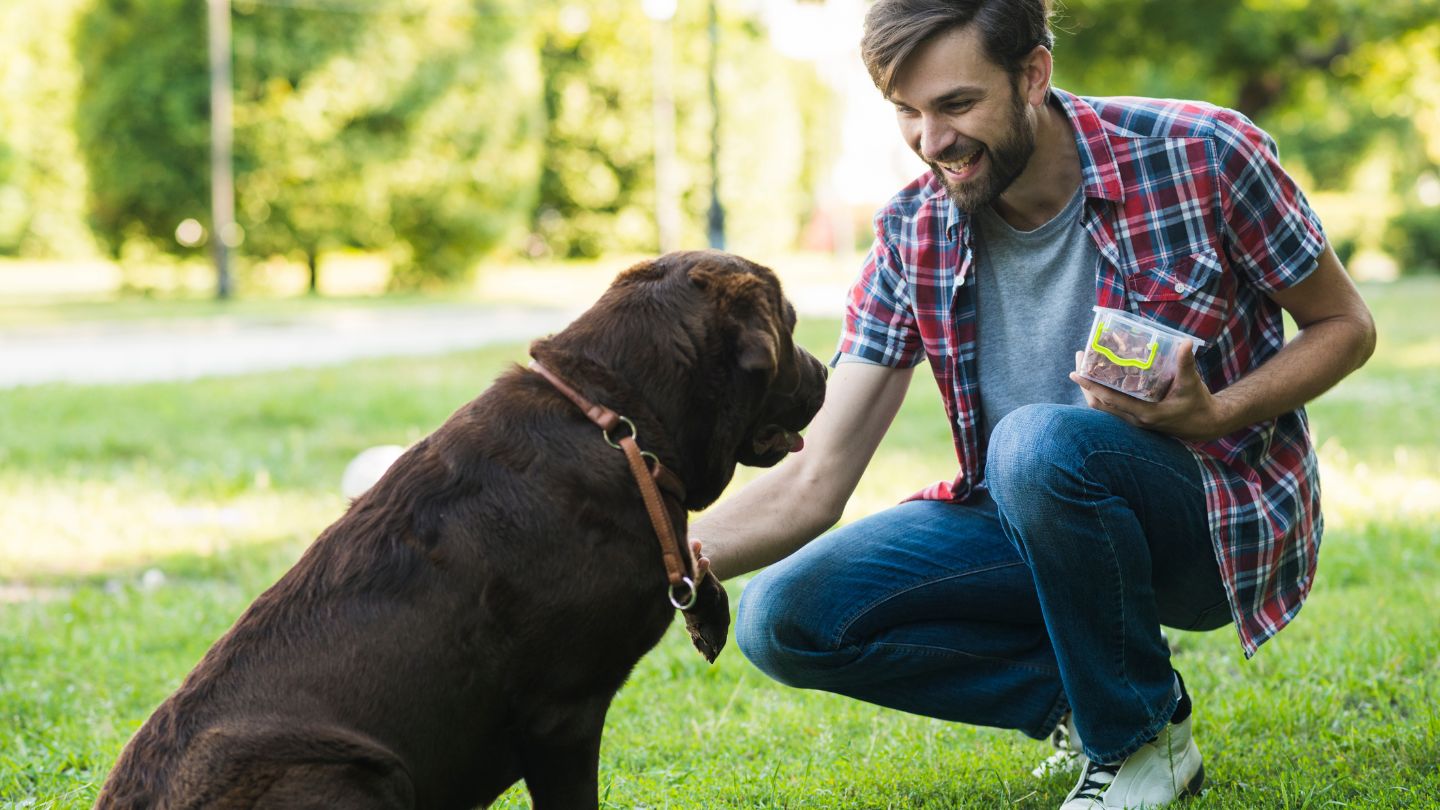
Most leash biting is playful, frustrating, or excitement-driven—annoying but not dangerous. However, some cases signal deeper behavioral or medical issues that need professional attention.
Red flags to watch for:
A vet exam may be warranted if there’s any possibility of mouth pain, dental problems, or neck and back discomfort. Dogs with physical pain may grab at equipment near the source of their discomfort, and walking itself may feel uncomfortable.
Consider keeping a simple log of when and where leash biting happens—time of day, location, and what triggers preceded it. This information helps trainers or behaviorists diagnose the issue faster and create a more targeted plan.
If you decide to seek professional help, look for a qualified, reward-based trainer or a veterinary behaviorist. Avoid anyone who relies heavily on punishment or promises instant results.
Leash biting may feel overwhelming in the moment, but it’s usually a communication issue—not a stubborn or “bad” habit. Whether it stems from excitement, frustration, lack of structure, or unmet mental and physical needs, this behavior can be improved with consistency, clear guidance, and the right training approach. By understanding why your dog bites the leash and responding proactively instead of reactively, you set the stage for calmer walks, better focus, and a stronger bond built on trust rather than tension.
If leash biting is disrupting your daily routine, Comprehensive Pet Therapy is here to help. We support dogs and owners through customized training solutions, including dog training service in Atlanta, dog training classes in Alpharetta and Buckhead, GA, beginner obedience programs, and private home instruction tailored to your dog’s specific needs. We focus on practical skills, clear communication, and long-term success—so walks become something you look forward to again. Let us help you turn frustrating moments into confident progress, one step at a time.
Changes in visibility, noise levels, and activity can make some walks more stressful or exciting than others. Evening walks often coincide with more traffic, delivery trucks, or specific barking dogs along your route. Your dog may also have developed location-specific associations—perhaps they once saw something scary on that corner and now feel anxious passing it. Try walking the same route at a calmer time, or switch to a quieter path to see if the behavior improves.
For some dogs, calmly holding the leash without tugging can actually be an acceptable coping strategy, especially for anxious dogs who find it soothing. The key distinctions: they should walk without pulling, not chew through the material, and you should maintain control. If you rely on this approach, consider using a backup clip or double leash setup for safety, and supervise to make sure carrying doesn’t escalate back into biting.
Mild, playful leash biting in young dogs often improves noticeably within 1–2 weeks of consistent daily practice. Long-standing habits in adult dogs or anxiety-related biting may take several weeks to a few months. The key is frequency and consistency—multiple short training sessions each day are more effective than occasional long ones. Don’t get discouraged if progress feels slow; building new habits takes time for dogs just like it does for people.
Some puppies naturally mouth less as they mature past the teething phase, and their excitement levels naturally calm with age. However, many dogs keep the habit because it works for them—it’s fun, it gets attention, or it successfully manipulates the walk in some way. Deliberate training and management give you a much better chance of the behavior disappearing rather than becoming a permanent feature of every walk.

Need to get in touch with CPT? I’ve got you covered.
Pick what works best for you!