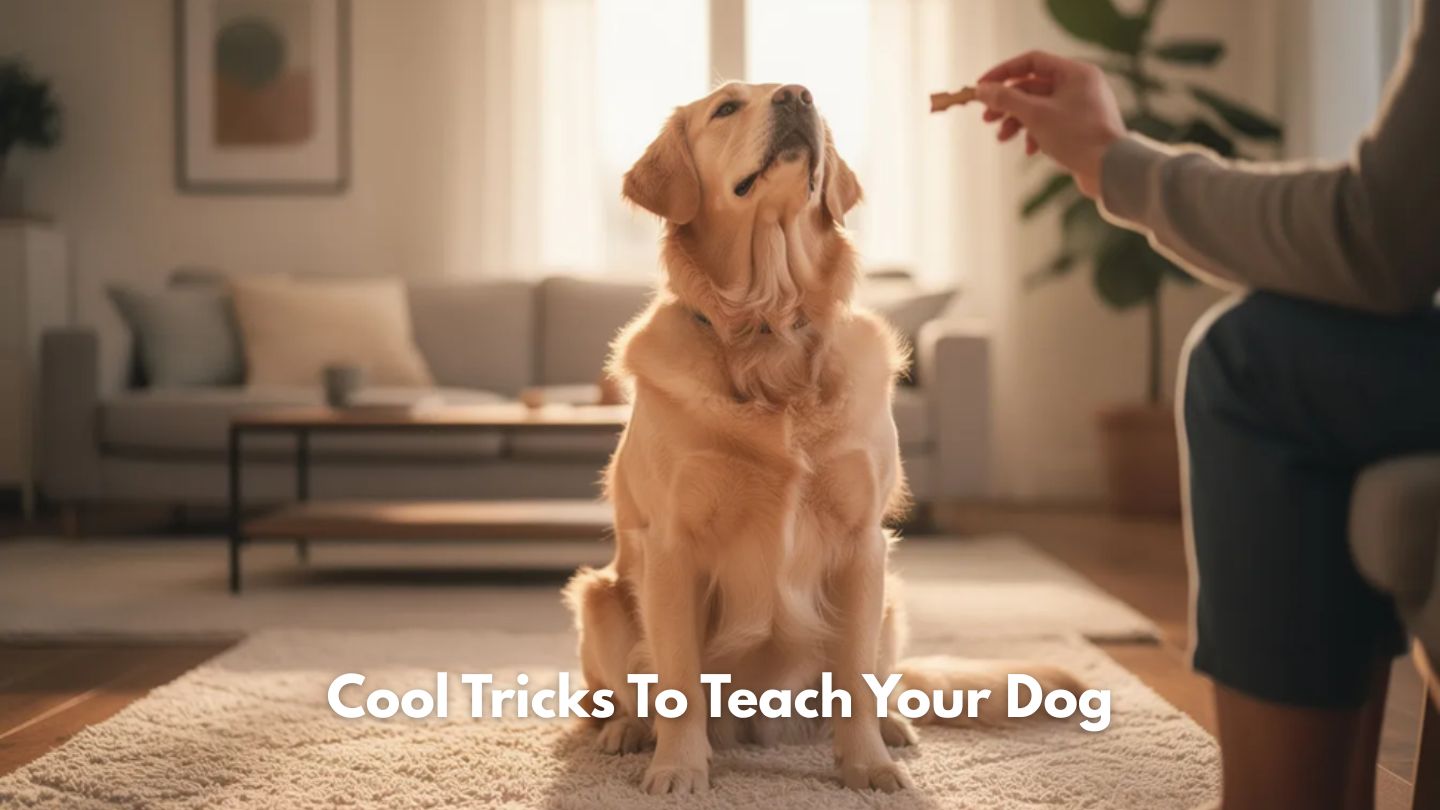
Teaching your dog tricks is one of the most rewarding experiences you can share together. Whether you want to impress friends at a backyard barbecue, give your pup something fun to do on a rainy afternoon, or simply strengthen the bond between you, trick training delivers on all fronts.
Here’s the good news: you don’t need professional equipment, years of experience, or a dog training business background to get started. With enough patience, the right approach, and a pocket full of treats, most dogs can learn impressive behaviors that look like magic to everyone watching. Let’s walk through everything you need to know, from setting up for success to mastering advanced tricks that will make your dog the star of every gathering.
A few minutes of preparation can cut your training time in half. Before you call your dog over for their first session, take a moment to gather your tools and set the stage for learning.
| Tool | What to Use | Why It Matters |
| High-value treats | Pea-sized soft treats (cheese, chicken, commercial training treats) | Small size allows many repetitions without filling up your dog |
| Marker signal | Clicker or consistent word like “Yes!” | Bridges the gap between behavior and reward for faster learning |
| Quiet training space | Living room, fenced yard, or any low-distraction area | Helps your dog focus without competing stimuli |
Research suggests that using a marker like a clicker can improve learning speed and create behaviors that stick around longer, even when rewards become less frequent. The marker becomes a promise: “That exact moment you did something right, a treat is coming.”
Most dogs need several mini-sessions spread across a few days to reliably perform a new trick on cue. Don’t expect perfection in one sitting. Celebrate progress, and remember that every dog learns at their own pace.
A note on safety: Avoid high-impact tricks like big jumps or extended hind legs stands for puppies under 12–18 months (their growth plates are still developing) or dogs with joint concerns. When in doubt, keep it low-impact.
These are your “quick wins.” They build your confidence as a trainer and teach your dog that paying attention to you leads to good things. Even if you’ve never done formal dog training before, these basic tricks are well within reach.
This classic trick is often one of the first tricks owners teach because it feels natural and looks charming.
Once your dog understands shake paws, high five is the natural next step.
Simply raise your hand slightly higher, palm facing your dog, so they have to lift their paw up rather than forward. Mark and reward when their paw touches your palm. Add a new cue like “high five” so they understand this is a different trick.
This low-effort, family-friendly, cute trick is always a crowd-pleaser.
Ready to level up? These “Instagram-ready” moves build off your easy foundation and make your dog look like a trained performer, even though they’re surprisingly straightforward to teach.
Spin is one of those dog tricks that looks flashy but relies on simple luring.
Once your dog masters spinning one way, teach the opposite direction with a different cue word like “twirl.” This isn’t just for variety; it also balances their body and prevents muscle imbalances from always turning the same way.
A wave is simply an extension of shaking hands performed in mid-air.
This show-finisher is one of my favorite tricks because you’re essentially putting a natural play-bow behavior on cue.

These tricks are perfect for photos and can be practiced indoors in tight spaces. They’re also great for rainy days when you need to tire out your pup’s brain.
Also called “beg,” this adorable sitting position has your dog balancing on their haunches with front paws raised.
Roll over looks complicated, but you’ll teach it in stages by luring your dog through each part of the motion.
This dramatic trick grows naturally out of roll over. Instead of completing the full roll, you’re asking your dog to stay on their side and hold still.
Mental work can tire out a dog as much as a long walk, sometimes more. These focus-building exercises are perfect for dogs who need mental stimulation and translate directly into better real-life manners.
Teaching your dog to look at you on cue is a game-changer for dog training in distracting environments, and understanding the benefits of dog training can make it easier to stay consistent with focus-building routines.
Research shows that dogs trained with positive reinforcement look at their handlers more frequently, which trainers interpret as stronger engagement and a better dog-human relationship.
A simple wait at doorways or before meals teaches impulse control that makes daily life smoother.
This useful skill looks impressive and teaches body awareness.
These “dance-style” tricks make you and your dog look like a choreographed team, and recognizing the benefits of agility training helps explain why these movements improve coordination and confidence.
This adorable trick has your dog standing between your legs, facing forward, like they’re peeking out.
Once your dog understands the position, you can walk together with them in the “peekaboo” position for an impressive team look.
This playful trick uses your body as a tunnel.

These tricks are cool but practical; they impress guests and make daily life genuinely easier.
Teaching your dog to go to a specific spot and stay there is invaluable for managing excited greetings or keeping them calmly occupied.
Many dogs love fetch, but play keep-away instead of returning the toy. Adding structure transforms this into a reliable behavior.
For dogs who enjoy close contact, a gentle hug trick is heartwarming.
Your relationship with your dog matters more than how many tricks they know. Here’s how to keep training positive and productive.
Limit sessions to around 5–10 minutes, 1–3 times per day. Focus on one trick per session rather than jumping between multiple behaviors. Dogs learn better in short bursts than marathon sessions.
High-value rewards make all the difference. For most dogs, this means:
Dogs love variety, mix treats, toys, and attention to keep things interesting.
Complex tricks are just chains of simpler behaviors. Instead of expecting the final result immediately:
This approach, called shaping, builds confidence and reduces frustration for both of you.
Teaching your dog cool tricks is more than entertainment; it strengthens communication, improves focus, and builds confidence in everyday life. With short, consistent training sessions and the right motivation, dogs of any age can learn impressive behaviors. Trick training also supports better manners and a stronger bond.
At Comprehensive Pet Therapy, we provide dog trick training in Atlanta that turns learning into real-life obedience and lasting results. We offer dog training classes in Alpharetta, Buckhead, and Roswell, along with dog agility training, beginner obedience, and private home instruction. We also provide growl class, puppy class, and dog training service for every stage and temperament. Start training with us today and help your dog become more confident, responsive, and fun to live with.
Most puppies can start learning simple tricks like sit, shake, or spin at around 8–10 weeks old, using very short sessions. Adult and senior dogs can learn at any age, too. Just adjust the difficulty and avoid high-impact tricks for dogs with joint or mobility concerns.
Train one or two tricks at a time for the best progress. Once your dog performs a trick reliably in different areas and around light distractions, add a new one. Keep practicing old tricks regularly so your dog stays confident and doesn’t lose consistency or focus.
Food isn’t the only reward. Try tug toys, squeaky balls, praise, or access to something fun like going outside. Many dogs respond best to mixed rewards rather than treats alone. Experiment to find what excites your dog most, then use that as motivation during training.
Add a verbal cue when your dog reliably performs the behavior using a lure or hand signal. Say the cue right before the gesture, then reward success. Gradually reduce the hand motion over time. Soon, your dog will respond to the word alone with consistency.
It’s best to train each dog separately at first so they can focus without distractions or copying. Once both understand the trick, practice together. Group sessions help build impulse control and attention, and they also create fun, impressive routines that strengthen training reliability.

Need to get in touch with CPT? I’ve got you covered.
Pick what works best for you!