Choosing the right dog boarding facility in Atlanta starts with asking the right questions-before you ever hand over the leash. Whether you’re traveling for work, planning a family vacation, or facing an unexpected emergency, the boarding kennel you select directly impacts your dog’s physical safety, health, and emotional well-being. A facility that looks polished on the surface may fall short where it matters most: disease prevention, qualified supervision, and individualized care.
This guide organizes the most important questions to ask before choosing a dog boarding facility in Atlanta into three critical categories: safety and health standards, staff qualifications, and daily operations. By the time you finish reading, you’ll know exactly how to determine whether a facility is a good fit for your best bud.
Safety should be the first thing you evaluate. Georgia’s regulatory framework provides a foundation, but the best pet boarding facilities exceed minimum requirements.
Under Georgia law, all dogs and cats must be vaccinated against rabies by a licensed veterinarian. While Georgia does not mandate non-rabies vaccinations at the state level, most kennels require proof of core vaccines-including rabies, distemper, and parvovirus-plus Bordetella (kennel cough). Bordetella vaccination is often required for boarding because the pathogen spreads rapidly wherever many dogs are housed together. Facilities without clear vaccination requirements may expose animals to unnecessary health risks, so confirm that your dog’s required vaccinations are current before the boarding date. Reputable pet boarding facilities should review vaccination records before accepting an animal and clearly explain their health and safety requirements.
Emergency vet access is crucial for boarding facilities. Ask whether a veterinarian is on site or on call, and what happens after hours or during holidays. Kennels must notify owners promptly during emergencies, and the facility should have insurance for emergencies and accidents. A clear emergency plan for fires and natural disasters should also be in place. Staff should be able to clearly explain their emergency procedures, including how owners are contacted, where veterinary care is obtained, and how emergencies are handled outside normal business hours.
Kennels must be cleaned and sanitized daily, and the best facilities clean kennels multiple times per day. Under Georgia Animal Protection Rule 40-13-13, all surfaces must be impervious to moisture and easy to sanitize. Drainage systems should rapidly remove water, and grounds must be free of waste and vermin. Sanitation practices help prevent diseases like kennel cough, parvovirus, and canine influenza. Facilities should have strong ventilation and climate control to ensure comfortable conditions, which is especially critical during Atlanta’s intense summers.
The people caring for your dog matter as much as the physical facility. Staff should be trained in animal behavior and care-not just capable of feeding and walking.
Ask about staff experience recognizing canine stress signals, handling reactive or anxious dogs, and intervening before conflicts escalate. Kennel staff should keep detailed notes on each pet’s needs and provide individualized attention to each pet. Staff should also be trained to handle dogs with special needs, including elderly pet populations and dogs with medical conditions.
The staff-to-dog ratio is an important factor when evaluating how closely dogs are supervised during group play, overnight hours, and busy periods. Rather than focusing only on a specific number, ask how the facility adjusts staffing based on the number of dogs, their temperaments, and the activities taking place. Ask directly: How many dogs does each staff member supervise during group play, overnight, and when new dogs are introduced?
If your dog struggles with separation anxiety or fear and reactivity, you need to know whether the person handling your dog has the training to manage those behaviors safely.
Dogs should not be left unattended during playtime-ever. Ask whether the facility maintains on-site staff overnight and what the supervision structure looks like during the night. Dogs should be supervised by on-site staff around the clock, not just monitored via camera.
Video monitoring systems can be a helpful supplement, and some facilities offer owners access to webcams or send daily photo updates. But technology doesn’t replace a trained person in the room who can read body language, separate dogs before a fight, or respond to a medical emergency in seconds.
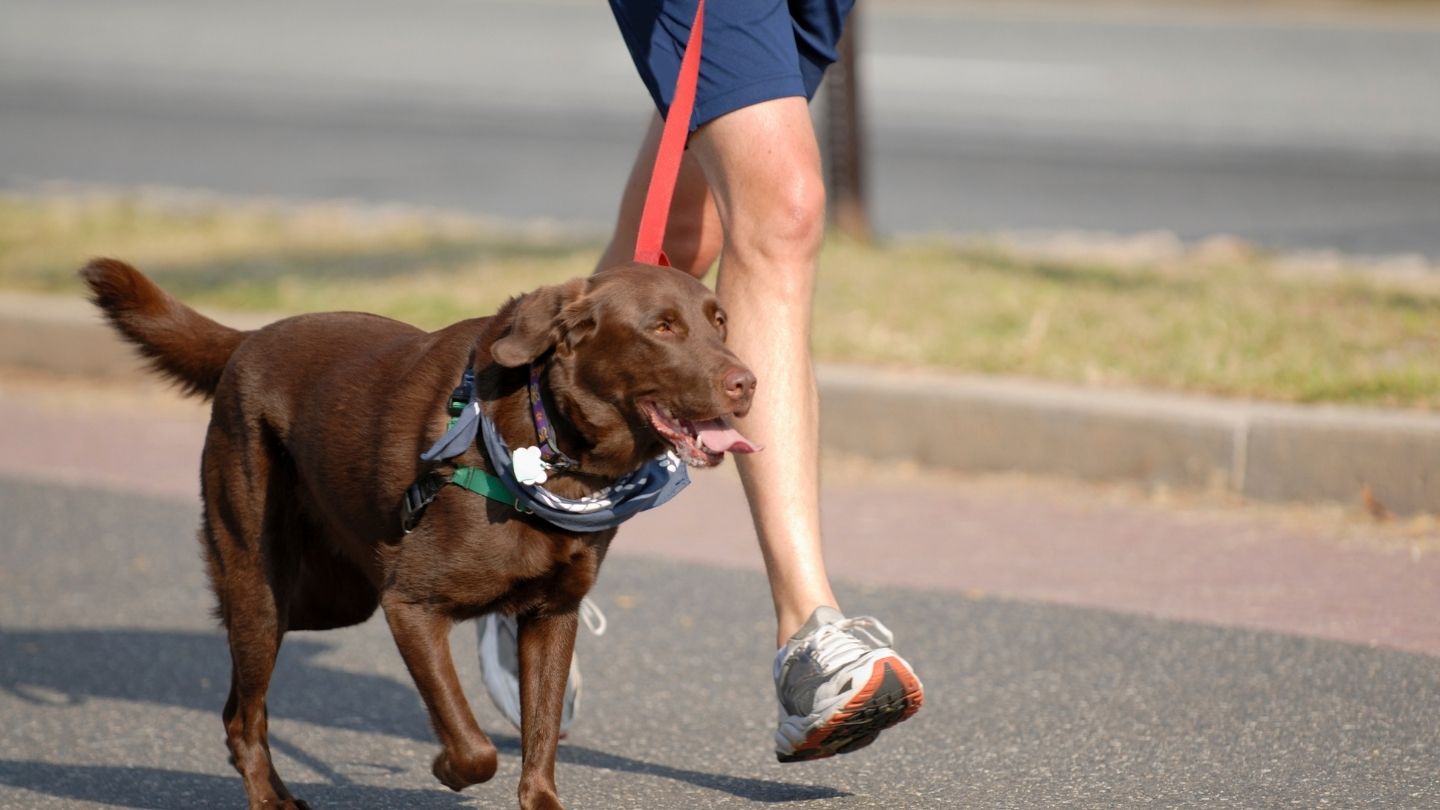
A well-managed boarding stay should maintain as much consistency with your dog’s normal routine as practical. Regular feeding, exercise, rest, and familiar care patterns can help dogs settle into a new environment more comfortably and make the transition easier throughout their stay.
Daily activities should include exercise and mental stimulation. Dogs should be let out at least three times daily, and the strongest facilities provide outdoor play multiple times per day-typically three to five sessions depending on weather and the length of your dog’s stay. Dogs should not be crated all day in boarding facilities. Ask whether outdoor spaces are fully enclosed, how dogs play together, and whether playgroups are separated by size, temperament, and energy level.
Ask whether dogs receive a temperament or compatibility evaluation before participating in group play. This process can help staff determine which dogs are comfortable interacting together and whether individual exercise or closer supervision may be more appropriate for certain pets.
Most kennels request that pet owners bring their dog’s own food, already measured and labeled for each meal. This avoids digestive upset from sudden diet changes. Suppose your dog requires a special diet-grain-free, prescription, raw-confirm that the facility can accommodate pets with those needs. Daily routines should accommodate dogs’ individual feeding schedules and familiar items, so ask whether they’ll feed your dog at the same times you do at home.
Facilities must have a clear protocol for medication administration and dietary needs. If your dog takes medications, provide written instructions and confirm that trained staff members will handle administration. Facilities should manage special diets and medications for dogs reliably-mistakes here can have serious health consequences.
The dog’s kennel should allow your pet to stretch, stand, turn, and lie down comfortably. Ask about bedding options-kennels should provide soft bedding for dogs with arthritis or joint issues. Climate control is essential: Atlanta summers regularly push temperatures above 90°F, and Georgia regulations require indoor housing to stay below 85°F. Sleeping areas should be away from high-traffic zones to minimize noise and stress. If your pet has never stayed away from home before, knowing what to expect when boarding your dog for the first time can help you prepare for changes in sleeping arrangements, daily routines, and the overall boarding environment.
Dogs with disabilities, medical conditions, or specialized care needs may require additional accommodations during boarding. While some boarding facilities can manage routine medications and common health needs with proper advance communication, dogs requiring ongoing medical monitoring may be better suited to a veterinary-supervised boarding environment.
For dogs that become distressed when separated from their owners, understanding how dog boarding can support dogs with separation anxiety can help you determine which routines, supervision, and accommodations may make the transition easier.
A facility that offers board-and-train programs may be better equipped to handle behaviorally challenging dogs, since their staff is accustomed to working with animals that need structured behavior modification. Trial stays can help evaluate a facility’s compatibility with your dog before commitment to an extended stay.
Ask whether the facility provides additional support such as structured training, individual exercise, or behavior-focused care during the stay. Understanding the level of personalized care available can help you determine whether the facility is equipped to meet your dog’s specific needs.
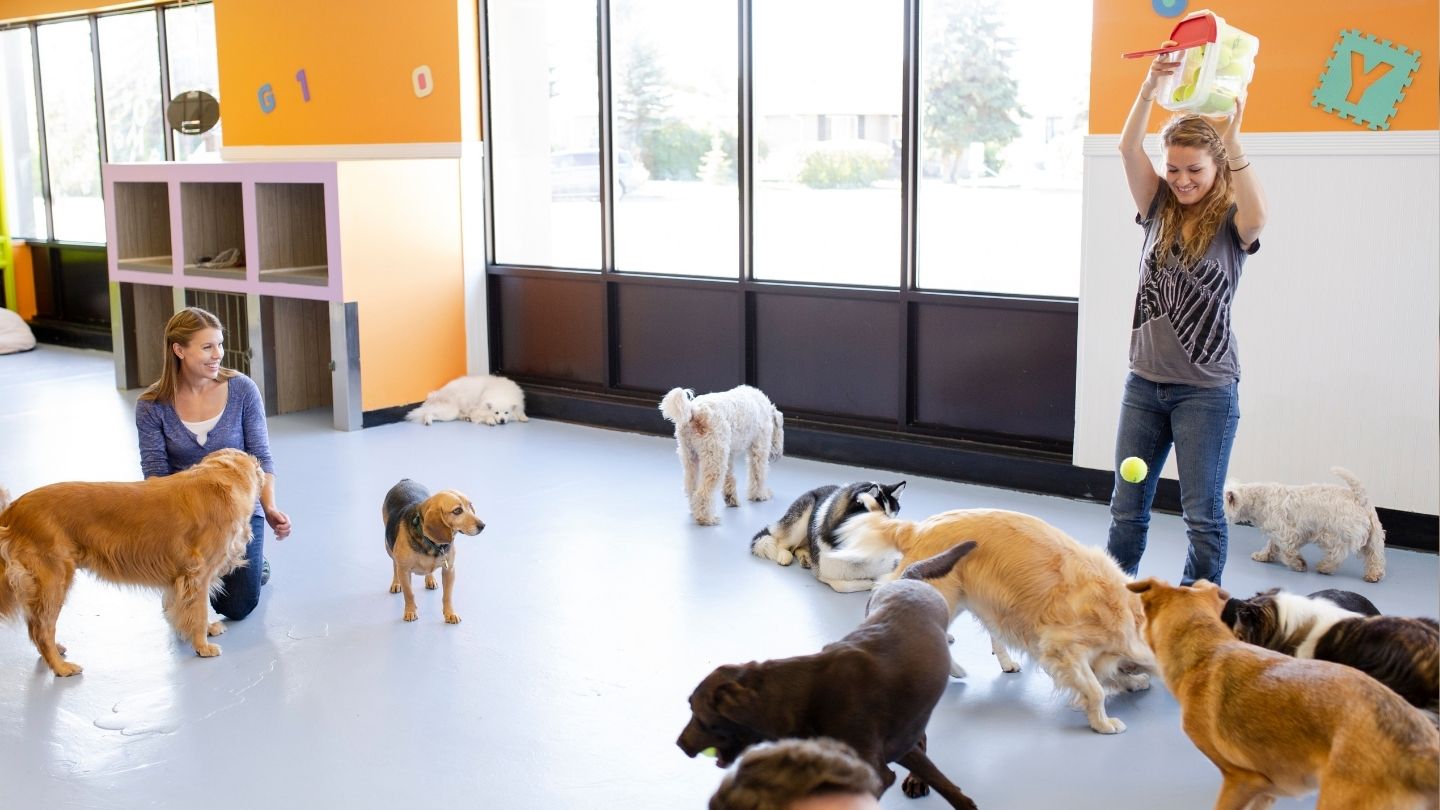
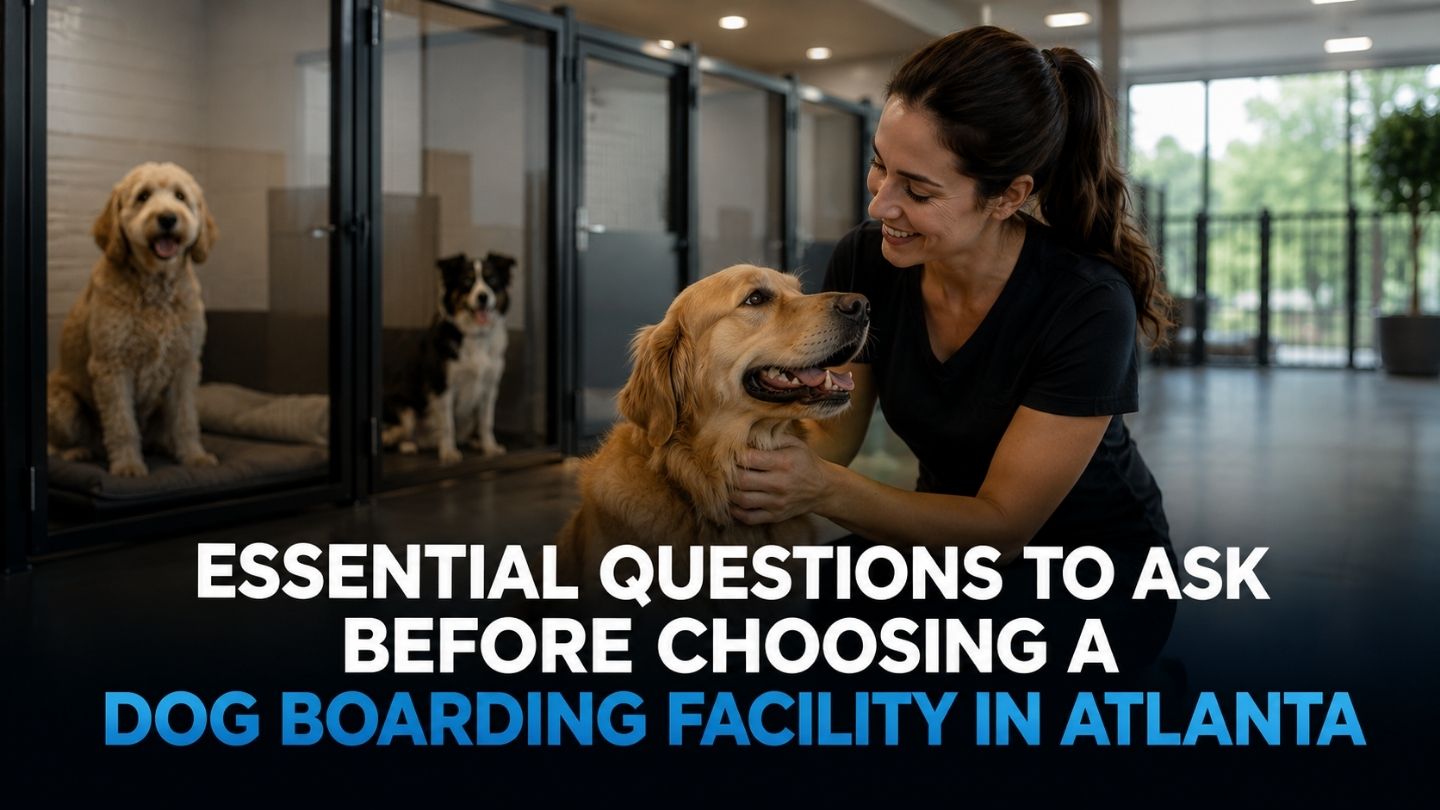
Choosing the right boarding facility comes down to understanding how your dog will be cared for each day. Asking about vaccination policies, staff experience, supervision, exercise, feeding routines, emergency procedures, and accommodations for behavioral or medical needs can help you make a more informed decision. Taking time to evaluate these details can also make the boarding experience more comfortable and predictable for your dog.
At Comprehensive Pet Therapy, we can also help dogs build skills that support better behavior in unfamiliar environments through our beginner obedience, intermediate obedience, tricks class, and service dog training programs. If you are also looking for dependable dog boarding in Atlanta, contact us to discuss your dog’s needs and find the right combination of training and care.
Book at least four to six weeks in advance during peak seasons like summer, Thanksgiving, and the December holidays. Many kennels fill up quickly, and popular facilities with lower dog ratios may have even less availability. Early booking also gives you time to schedule any needed vaccinations and arrange a trial stay.
Most boarding facilities in Atlanta require proof of rabies, distemper, parvovirus, and Bordetella vaccinations. Some also require the canine influenza vaccine. Ensure your dog’s core vaccines are up to date and bring documentation from your vet’s office. Allow at least one to two weeks between vaccination and boarding.
Yes. A trial stay lets you evaluate how the facility handles your dog’s needs-feeding, exercise, sleep-and gives your dog a chance to acclimate to the environment. It also helps you determine whether the kennel staff communicate well and whether your dog returns home happy and healthy.
Start with short daycare visits to build familiarity. Bring familiar items-a favorite toy, a blanket that smells like home. Consider working with a trainer on separation anxiety before the stay. Dogs with solid obedience training and socialization skills generally handle boarding with far less stress.
Bring your dog’s regular food (pre-portioned and labeled), any medications with written instructions, a familiar toy or blanket, and current vaccination records. Avoid packing items that could be a choking hazard. Some facilities provide bedding and toys, but familiar items from your own home reduce anxiety.
Ask directly about their experience with dogs that have similar challenges-whether that’s aggression, anxiety, or reactivity. Inquire about temperament evaluations, isolation protocols for stressed animals, and whether staff has formal training in canine behavior. Facilities that offer behavior-focused programs or employ certified trainers are typically better equipped to give your dog the individual attention and structured support they need.
Need to get in touch with CPT? I’ve got you covered.
Pick what works best for you!