Living with a dog that growls at visitors, snaps during nail trims, or lunges at other dogs on walks creates real stress for Atlanta-area families. The daily worry about what might happen next can make outings feel impossible and home life tense. The good news: when professional dog trainers approach behavior modification for aggressive dogs, they follow structured, science-based protocols that address the root cause of the problem rather than just suppressing symptoms. Aggression is not a reflection of a dog’s personality; it is a behavioral response driven by fear, anxiety, pain, or frustration, and it responds to careful intervention.
This article walks through how trainers assess aggressive dog behavior, build a safety and management plan, apply behavior modification techniques grounded in learning science, and help owners participate in daily practice. You will learn what to expect when you book a behavior modification program, whether that means private lessons, in-home sessions, or a board-and-train option.
Canine behavior includes a spectrum of aggressive responses that begins with subtle warning signs: a stiff posture, a fixed stare, a lip lift, or a low growl. These signals escalate to snapping, lunging, and biting only when earlier communication goes unrecognized or unaddressed. Professional dog trainers do not treat aggression as a flaw in a dog’s personality. Instead, they view it as a symptom of underlying emotional states, often fear, chronic stress, early socialization deficits, genetic predisposition, or undiagnosed pain.
Trainers distinguish between fear-based, territorial, protective, resource-guarding, and frustration-based aggression. A dog that barks and lunges at strangers on the sidewalk is often operating from a different emotional driver than a dog that guards a food bowl. Identifying triggers is essential for effective aggression therapy, and understanding the “why” behind the behavior shapes every detail of the behavior modification plan.
Dog aggression training typically begins with an in-depth consultation. This may take place in the home, at a controlled training space, or online. During the evaluation, trainers gather a detailed history: the onset, frequency, and intensity of aggressive behavior; medical background including pain or neurological concerns; known triggers such as specific people, animals, or situations; prior socialization; and a record of any bites or near-bites along with how the family responded.
Trainers also observe the dog’s body language at a safe distance. They note posture (crouched versus stiff), tail position, ear carriage, vocalizations, and displacement behaviors like lip licking or yawning. This observation happens during daily routines or gentle, staged scenarios. Dogs are never intentionally pushed toward outbursts during assessment; safety is the priority throughout.
The outcome of the evaluation is a working diagnosis that names the type or types of aggression present, the probable triggers, the dog’s threshold for reaction, and the level of arousal involved. Trigger identification helps in determining the exact distance or situation that leads to aggression. From there, the trainer and owner agree on a written safety plan and an outline of next training steps before active behavior modification begins.
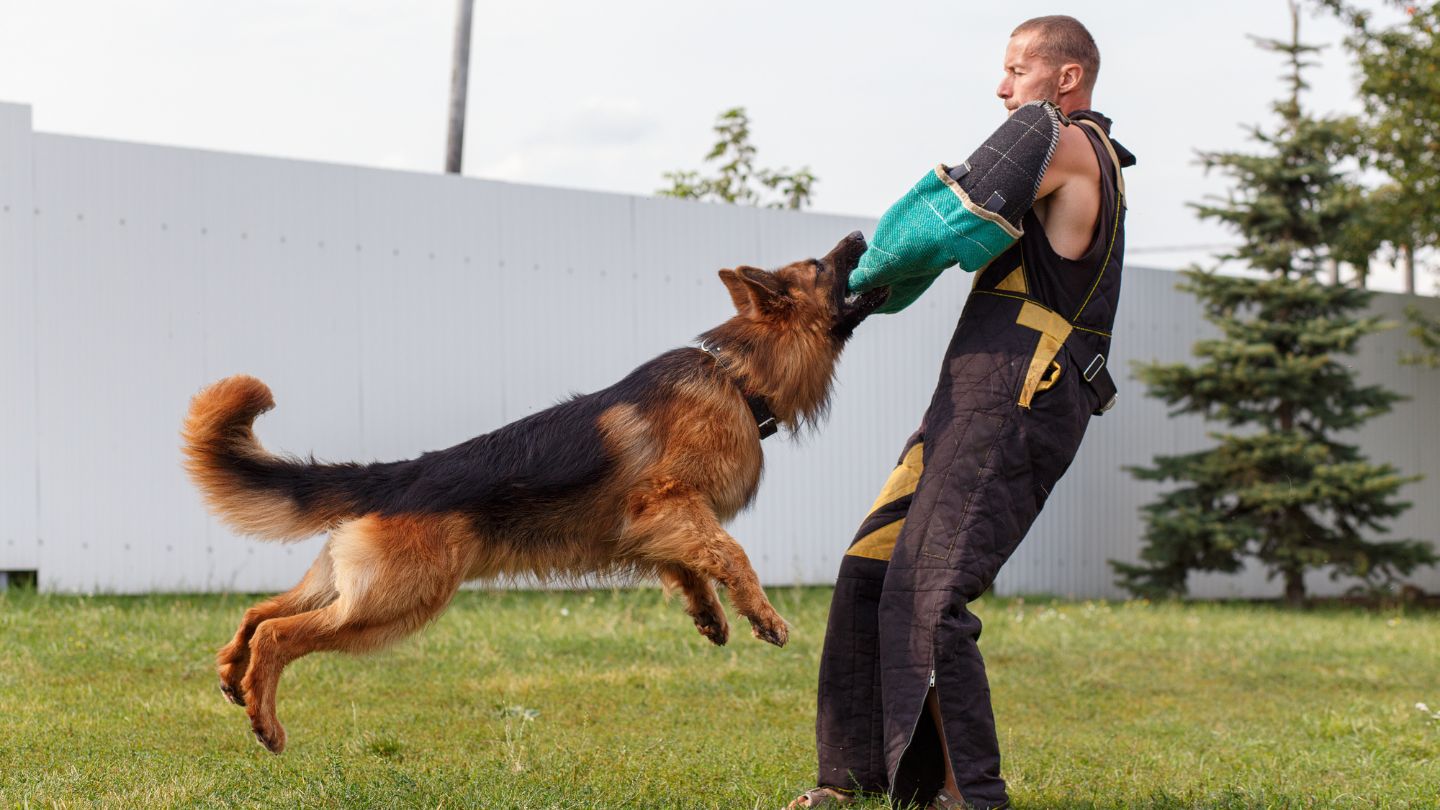
Before changing behavior, trainers focus on preventing new incidents. Each aggressive episode tends to reinforce the pattern through learning feedback loops; a dog that lunges at a passing dog and watches that dog move away has just been rewarded for lunging. Strict environmental management prevents rehearsal of aggressive behavior during training. Good management reduces risk for people and animals in the household and gives behavior modification a realistic chance to work. Following effective aggressive dog training tips can help owners understand how management, consistency, and structured exercises work together to reduce unwanted reactions and support long-term behavior improvement.
Leashes paired with secure harnesses or head collars give owners physical control during outdoor practice. Basket muzzles are another tool trainers recommend when appropriate use is needed around known triggers. Rather than forcing a muzzle on, trainers introduce it through positive reinforcement: the dog learns to push its nose into the muzzle voluntarily in exchange for treats, building a positive association over several short sessions. A properly conditioned muzzle allows safe practice in real-world settings while the dog’s emotional response shifts.
Everyday management strategies extend to choosing quieter walking routes, avoiding crowded times at parks, and separating pets during high-energy events like meals or visitor arrivals. Keeping a journal of aggressive incidents aids in identifying triggers and tracking which management strategies reduce conflict. Avoiding situations where aggression occurs prevents reinforcement of behavior and protects everyone in the household. Management is not “giving up.” It is the foundation that keeps the family safe while training progresses.
Professional trainers advocate for reward-based approaches rather than intimidation or punishment. The goal of dog behavior modification is twofold: change the dog’s emotional response to triggers, and teach new behaviors the dog can choose instead of reacting aggressively. Behavior modification techniques include desensitization, counterconditioning, and teaching alternative behaviors, all anchored in operant conditioning and respondent learning principles.
Desensitization involves exposing dogs to triggers in small steps, at an intensity low enough that the dog remains calm. For a dog reactive to other dogs, this might start with seeing another dog at a distance where no reaction occurs. The trainer controls proximity, duration, and movement so the dog stays in a learning-ready state rather than tipping into fear or arousal. Only after the dog is consistently relaxed at one level does the difficulty increase. Desensitization techniques can take time to yield results; rushing the process undermines the work.
Counterconditioning pairs that low-level trigger with something the dog values, usually high-value food or play. Over repeated sessions, dogs learn that the appearance of a trigger predicts good things rather than danger. The dog’s emotions shift from a fearful response or defensive reaction toward anticipation of reward. A practical example: a dog that lunges at other dogs on walks begins to see a distant dog, then immediately receives treats for calmly looking back at the handler. Over time, the sight of another dog becomes a cue to orient toward the owner rather than to lunge.
Counterconditioning replaces unwanted behaviors with favorable ones, but only when the process respects the dog’s pace. Prolonged exposure to a stimulus before the dog is ready (sometimes called flooding) risks increasing fear and anxiety rather than reducing it.
Response substitution teaches dogs to replace undesirable actions with specific behaviors that are physically incompatible with aggression. When a dog is trained to orient toward the owner’s face, move behind the handler, target a hand, or settle on a mat, the dog has a clear alternative to barking, lunging, or snapping. Differential reinforcement of alternative behavior teaches dogs competing behaviors to replace aggression; the dog earns rewards for choosing calm, correct behaviors instead of reactive ones.
These skills are first practiced in quiet, low-distraction rooms where the dog can succeed easily. Then trainers gradually layer in real-life contexts: a walk past a neighbor’s yard, a doorbell ring, the approach of a stranger. Rewarding desirable behaviors with food, toys, or praise is carefully timed so the dog connects the calm choice to the consequence. Positive reinforcement creates a positive learning environment for dogs and strengthens the bond between dog and owner.
“Aggressive dog” is not a single diagnosis. A dog that guards a bone operates from a different emotional state than a dog that panics at the sight of a veterinary clinic. Every behavior modification plan integrates management, emotional work, and skills training, but the details shift depending on what triggers the dog’s aggression.
Fear-based aggression is one of the most common patterns trainers encounter. Early socialization reduces fear-based aggression in dogs, but many dogs arrive in homes with gaps in their early social experiences. Trainers help fearful dogs by allowing the dog to create distance and set the pace. Owners learn to read their dog’s body language; trainers educate owners about canine body language to recognize early warning signs of aggression before escalation happens. The process is slow and deliberate, but controlled interactions help dogs become comfortable in various situations over time.
Leash reactivity toward other dogs is a frequent reason families seek dog training, and understanding the causes behind leash aggression can help owners recognize triggers and follow a more effective training approach. Techniques include parallel walking (two dogs moving in the same direction with space between them), structured greetings at gradually decreasing distance, and teaching a “look at me” or disengage cue that redirects attention away from the trigger.
Some dogs may display vocal reactions toward unfamiliar dogs without true aggression, and identifying the difference helps trainers create a plan that addresses the underlying behavior effectively.
Territorial aggression around fences, doorways, and windows requires environmental changes first. Trainers may recommend restricting unsupervised access to gates or windows, walking the dog before guests arrive so arousal is lower, and teaching calm behavior during arrivals using place training. The dog’s environment is adjusted so that territorial triggers are managed while training builds new habits. Ongoing socialization prevents regression in dogs’ behavior once initial progress is made.
Resource guarding occurs when a dog displays aggressive behavior around food bowls, chews, beds, or stolen items. The dog is not being “dominant”; it is responding to a concern about losing something it values. Trainers address this through trade-up games (offering something better in exchange for the guarded item), voluntary “drop” behaviors, and teaching the dog that a human approach predicts a better outcome, not a loss. Over repeated practice, the dog’s emotions shift from defensive to welcoming when someone walks by during a meal.
Handling-related aggression around nail trims, grooming, or veterinary care responds well to cooperative care protocols. These break each task into small approximations. A dog learning to tolerate nail trims might first be rewarded for resting a paw on a board, then for hearing the clipper sound, then for a single nail clip, with the dog able to opt in or take a break at each step. A medical evaluation is essential to rule out underlying pain or illness causing aggression in these contexts; a dog that snaps during ear cleaning may be dealing with an ear infection rather than a behavioral issue.
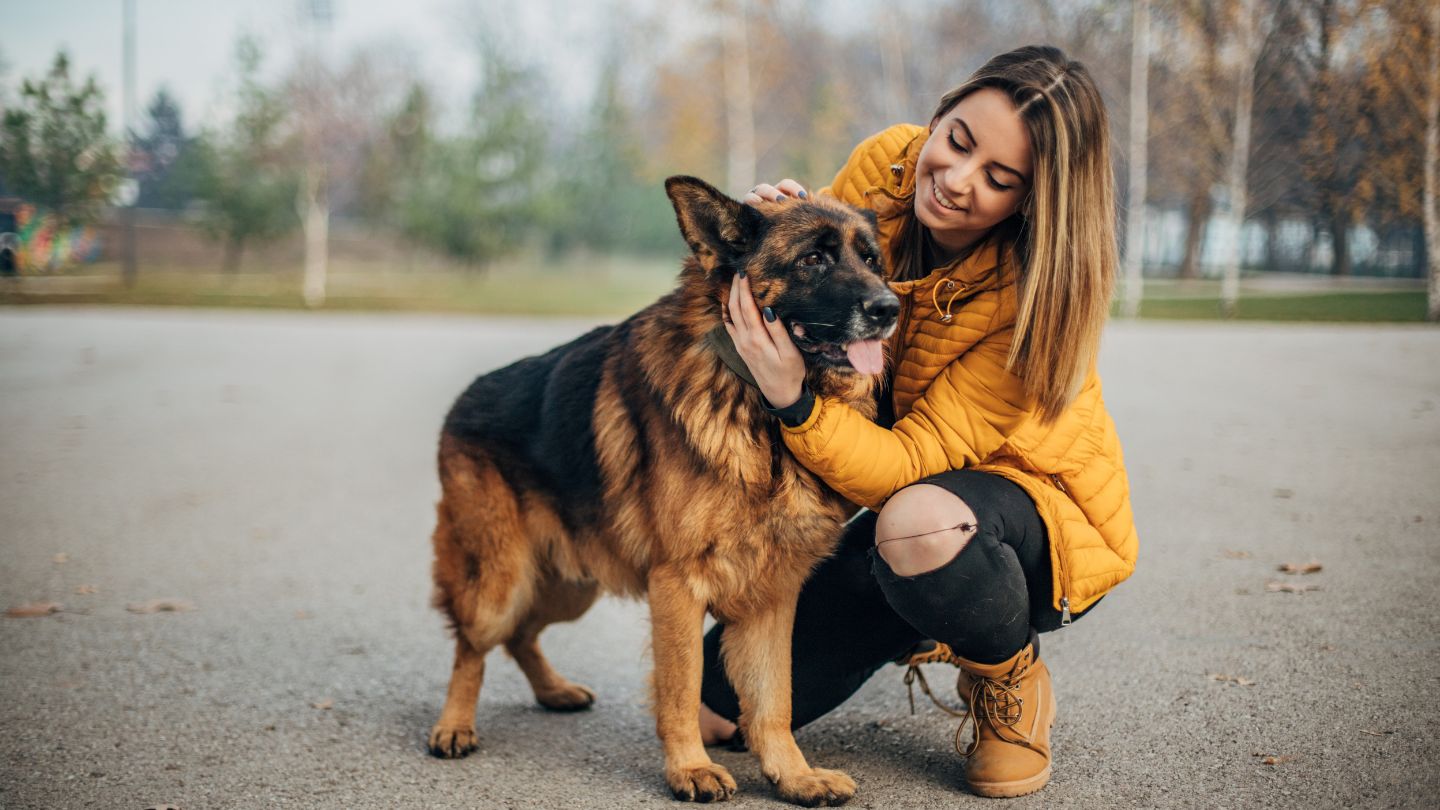
Behavior modification is a team effort. Trainer sessions provide structure, but daily life between sessions is where the real change happens. Establishing clear rules helps reinforce desired behaviors and reduces confusion for the dog. Consistency reduces anxiety and insecurity in dogs, while inconsistent responses can escalate aggressive behavior.
Every walk, feeding, and visitor arrival is a chance to reinforce new skills. Trainers often assign structured homework: short, frequent practice sessions in specific environments that match the dog’s current ability level. Regular exercise reduces stress and anxiety in dogs, and mental stimulation through interactive games and obedience drills prevents boredom and frustration that can feed problem behavior.
Keeping a simple training log helps families track progress. Recording which triggers were encountered, what the dog did, which cues were used, and what helped gives both the owner and trainer clear data for adjusting the plan. Consistent training improves communication between dog and owner, and obedience training enhances a dog’s self-control and impulse management in everyday situations.
Progress often comes in small, steady steps. Behavior modification is a gradual process requiring monitoring and adjustment of strategies. A dog may do well for several days and then react to an unexpected trigger. These setbacks are part of the learning curve, not signs of failure. Physical activity strengthens the bond between dogs and their owners and supports emotional stability alongside structured training.
Behavior modification can happen through different program structures, each using the same science-based training methods. The right format depends on the dog’s specific behavior profile, the family’s schedule, and the level of support needed.
Private, one-on-one lessons in the home allow a dog trainer to observe the dog’s environment directly. Coaching happens in real time so owners practice handling, timing, and reinforcement with guidance.
Virtual coaching works well for follow-ups, check-ins, and guided practice when in-person scheduling is difficult. Many dogs benefit from a combination of in-person and remote sessions that keep momentum between visits.
Board-and-train programs place the dog with a trainer for intensive, daily work in a structured setting. This format provides frequent, consistent training that accelerates early learning for dogs with complex or severe behavior problems. The critical element in any board-and-train is the transfer: owners participate in sessions where they learn to maintain the dog’s new behaviors and handle real-world triggers. Without transfer sessions, skills built during the program do not carry over to the home.
Choosing the right format is easiest after a professional assessment, when the dog’s needs and the family’s capacity are both clear.
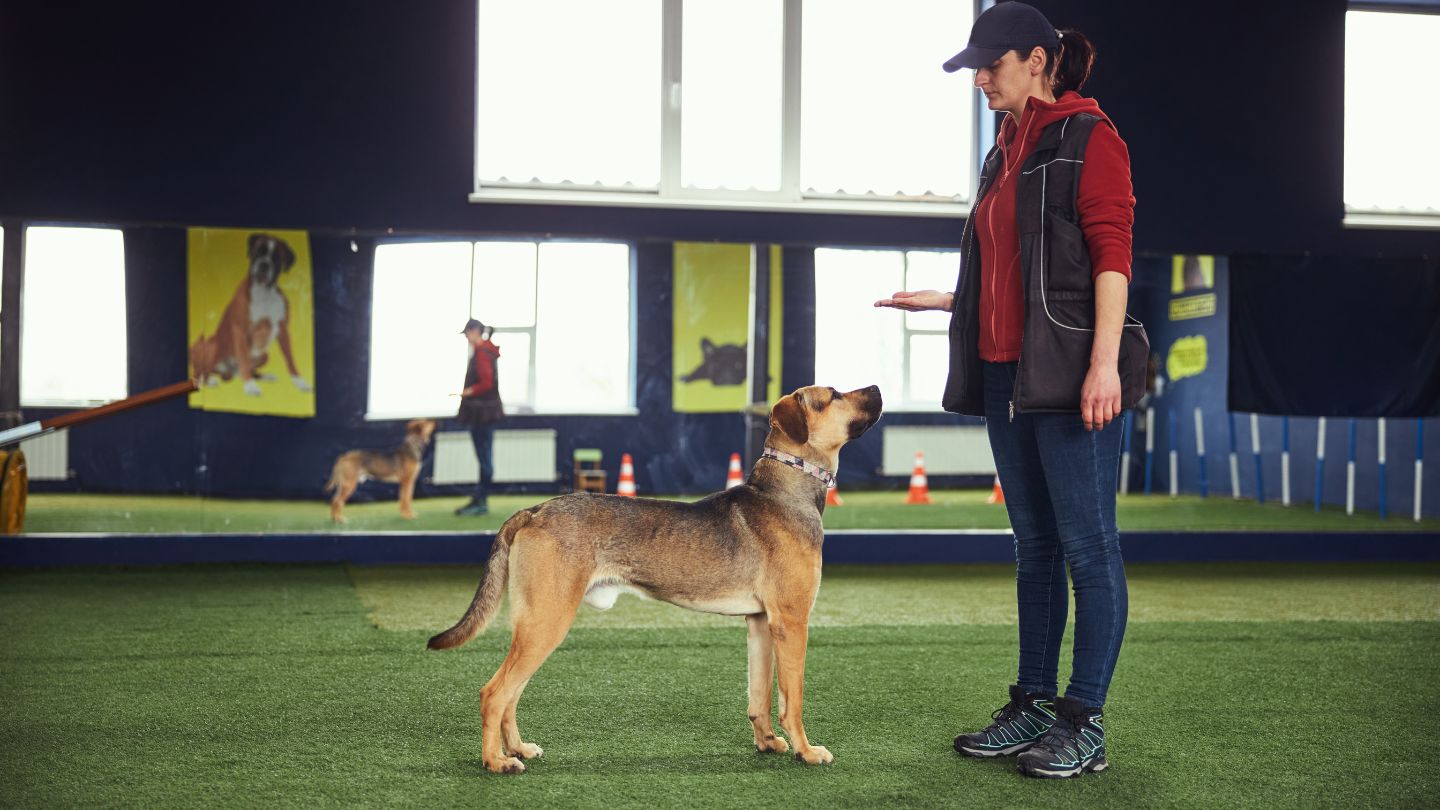
Helping an aggressive dog requires patience, structure, and a clear understanding of what drives certain behaviors. With the right approach, trainers can help dogs develop healthier responses while giving owners the tools they need to create safer and more comfortable routines. A thoughtful training plan focuses on communication, consistency, and building trust between dogs and their families.
At Comprehensive Pet Therapy, we help families address challenging behaviors through personalized programs designed around each dog’s needs. Whether you are looking for in-home private instruction, puppy class support, service dog training, or aggressive dog training in Atlanta, our team provides guidance using structured training methods. Contact us to learn more about the right training option for your dog and how we can help you move forward.
Many aggressive behaviors improve when underlying triggers are identified, management strategies are in place, and a structured training plan is followed consistently. Desensitization can help reduce aggressive behavior in dogs, and positive reinforcement can reduce aggressive tendencies over time. The realistic goal is increased safety, predictability, and comfort rather than a guarantee that the dog will welcome every person or animal it encounters.
Trainers primarily observe, take a detailed history, and develop safety guidelines. Dogs are not pushed toward outbursts during the first session. Desensitization and counterconditioning require patience and persistence. First session. Owners can expect to start learning management strategies, body language reading, and simple foundation exercises right away. The focus is on understanding the dog’s specific triggers and building a plan.
Unsupervised access between the dog and children or other animals is not recommended until the behavior professional confirms that the dog’s behavior is reliably improved and the environment is well managed.
Obedience training teaches specific behaviors like “sit” or “down” in relatively calm settings. Behavior modification focuses on changing deep emotional responses related to fear, anxiety, or guarding. Aggression cases require trigger control, systematic emotional change through desensitization and counterconditioning, and layered safety planning in addition to standard obedience skills. The work addresses the dog’s emotions, not just compliance.
Decisions about behavior medication belong to a veterinarian or veterinary behaviorist, often working in collaboration with a trainer. When anxiety or fear is severe enough to block learning, medication such as SSRIs or anxiolytics can reduce baseline arousal so the dog is able to absorb training. Medication is used alongside training and environmental changes, not as a standalone solution.
Seek help as soon as you notice consistent growling, snapping, lunging, or other aggressive responses toward people, other dogs, or other animals. Early intervention gives the best opportunity for change. Visit cpt-training.com to schedule a behavior consultation and discuss your dog’s specific situation and options.

Need to get in touch with CPT? I’ve got you covered.
Pick what works best for you!