Socialization is one of the most important parts of raising a confident and well-behaved dog. It helps your dog feel safe around new people, animals, sounds, and environments without fear or overreaction.
Whether you’re starting with a young puppy or working with an adult dog, the right approach can make a huge difference. With consistent exposure and positive experiences, social skills can improve at any age.
In this blog, we’ll share practical socialization steps you can use for both puppies and adult dogs.
Socialization is the process of teaching your dog to feel comfortable and behave appropriately around people, animals, places, sounds, and daily routines. Think of it as helping your pup build a mental library of “safe” experiences—so when they encounter something new, they approach it with curiosity instead of fear.
Here’s what many owners get wrong: socialization isn’t simply about exposing your dog to as many things as possible. Dragging a nervous puppy through a crowded farmer’s market or forcing them to greet every stranger on the street can actually backfire. True socialization focuses on creating positive experiences where your dog feels in control, not overwhelmed.
A well-adjusted dog moves through the world with a loose body and relaxed demeanor. They might startle at a sudden noise but recover quickly. They can greet new people without jumping all over them or hiding behind your legs. In contrast, an under-socialized dog often appears fearful, reactive, or completely shut down when facing anything unfamiliar.
Whether you’re working with a young pup or bringing home a rescue as your new pet, the core approach stays the same: gradual, rewarding experiences at your dog’s comfort level. The timeline and starting point may differ, but the principles remain constant.
For example, proper socialization might look like sitting with your puppy on a quiet street corner, feeding treats while cars pass at a comfortable distance. Or it could mean having a single calm visitor come to your house, letting your adult dog approach on their own terms while you offer praise and rewards for brave behavior.
Dogs who develop solid social skills handle everyday life with far less stress. Vet visits become routine rather than traumatic. Walks through busy neighborhoods feel manageable instead of overwhelming. Even something as simple as a delivery driver approaching your door doesn’t send your dog into a barking frenzy. For your family, proper socialization translates to practical benefits you’ll appreciate every day, and understanding the benefits of dog training helps explain why confident behavior carries over into real-life routines.
Well-socialized dogs experience lower anxiety overall. They’re less likely to panic at sounds like fireworks, thunder, or garbage trucks rumbling down the street. This calm foundation means your dog can actually enjoy life rather than spending it in a constant state of alertness or fear. Many dogs who’ve had positive experiences during their socialization period develop the resilience to bounce back quickly from unexpected surprises.
The behavioral payoffs are significant. You’ll see fewer leash reactivity incidents—that embarrassing lunging and barking when another dog walks by. Visitors to your home won’t be met with aggressive behavior or endless barking. The risk of bites or scuffles with other dogs drops considerably when your dog has learned appropriate canine communication.
Research published in the Journal of Veterinary Behavior found that puppies who received socialization experiences during the critical period had significantly fewer fear-related behaviors as adults compared to those who missed this window.
For your family, proper socialization translates to practical benefits you’ll appreciate every day. Travel becomes easier when your dog can handle new environments without falling apart. Holiday gatherings don’t require locking the dog away. Boarding or doggie daycare becomes a viable option instead of a stressful impossibility.
Perhaps most importantly, investing in socialization efforts now can prevent serious behavior problems that might otherwise require medication, months of professional intervention, or—in worst cases—lead to rehoming. The time you spend socializing your dog today saves you from much harder work down the road.

The ideal socialization window for puppies falls roughly between 3 and 14 weeks of age. During this period, puppies are naturally curious and more receptive to forming lasting positive associations with new experiences. But if you’re bringing home an adult dog, don’t despair—older dogs can absolutely make excellent progress with patient, structured work.
Many responsible breeders, shelters, and foster homes begin gentle handling and exposure around 3–4 weeks of age. By the time you bring your puppy home (typically around 8 weeks), they’ve already had some foundation experiences with their littermates and humans.
Your job is to continue and expand this work. During those first few weeks in your home, focus on safe exposures that build confidence without risking your puppy’s health.
A common concern: vaccination timing. Most puppies aren’t fully vaccinated until around 16 weeks, yet the critical socialization period overlaps significantly with this vulnerable time. The solution isn’t to keep your puppy isolated—behavior experts now recognize that the risk of poor socialization often outweighs the disease risk when appropriate precautions are taken.
Safe pre-vaccination outings include:
Adult dogs, including rescues, may come with unknown histories, gaps in their social life, or past traumas. Assume they need a slower pace, more distance from triggers, and extra patience.
The same principles apply—gradual, positive exposure—but the timeline stretches out. Where a puppy might adapt to new sights and sounds within a few sessions, an adult dog may need weeks or months of careful work.
Before taking any dog into busy public areas, talk with your veterinarian. This is especially important for very young puppies who haven’t completed their vaccine series or medically fragile adult dogs who might be more susceptible to illness.
This section provides a practical beginner plan for puppies from about 8–20 weeks old. The goal is keeping things safe, fun, and confidence-building at every stage.
Before you head out, gather your essentials:
| Item | Purpose |
| Flat collar or harness | Comfortable, secure fit for walks |
| 4–6 foot leash | Control without restricting movement |
| Soft, high-value treats | Reward brave behavior instantly |
| Small water bowl | Hydration during longer outings |
| Familiar blanket or mat | A “safe spot” in new environments |
Begin socialization inside your house before venturing out. Introduce everyday sounds and sights in a controlled way:
The key is pairing each new experience with something your pup loves—usually food. This creates the positive associations that form the foundation of good socialization.
Skip the dog parks for now. Instead, arrange playdates with friends or family members who have healthy, fully vaccinated, friendly dogs. Choose clean yards or living rooms where you can control the interaction.
Look for adult dogs with calm temperaments who will tolerate puppy antics without becoming aggressive. Short play sessions with natural breaks work better than marathon playdates that leave everyone exhausted.
Structure people-introductions carefully:
Not all dogs warm up to strangers quickly, and that’s okay. Let your puppy set the pace.
Enrolling in a reputable puppy socialization or kindergarten class offers tremendous benefits. Research shows that puppies attending group classes showed lower aggression, better trainability, and reduced fear responses one year later compared to puppies who didn’t attend.
Look for classes that:
To help your puppy generalize their learning, expose them to variety across multiple categories:
A simple weekly checklist helps ensure you’re covering different categories without overwhelming your young pup.
Understanding early signs of stress helps you back off before a small worry becomes a lasting fear. Your puppy is constantly communicating—you just need to learn to listen.
When you spot stress signals, increase distance from whatever is worrying your puppy. Lower the intensity—fewer people, quieter environment. If needed, end the session on a gentle, positive note with some easy wins.
Never force a scared puppy closer to something frightening. This “flooding” approach can create long-term fear instead of building resilience.
Regular, moderate practice works far better than rare, intense outings. Aim for 2–3 brief socialization sessions most days of the week, lasting 5–15 minutes depending on your puppy’s age and energy level.
Keep a simple log in a notebook or phone app. Rate each experience (calm, slightly worried, very worried) to track patterns over time. You might notice your puppy handles new people beautifully but gets nervous around bicycles—information that helps you plan targeted practice.
During growth spurts and teething, puppies may be more sensitive. Keep sessions extra short and fun during these periods.

Adult dogs, especially rescues, may come with unknown histories, past traumas, or limited exposure to everyday life. The good news: many make excellent progress with the right approach. The key is meeting them where they are rather than expecting puppy-like adaptability.
Begin in quiet, familiar places—your home, backyard, or calm neighborhood streets—before attempting busy sidewalks, cafés, or public events. Build success in low-pressure environments first.
For newly adopted adult dogs, allow decompression time before heavy social demands. This means:
Watch your new dog carefully to identify what makes them uncomfortable. Common triggers include:
Once you know the triggers, plan controlled exposures at a distance where your dog can stay calm and take treats. If they’re feeling overwhelmed, you’re too close.
Use high-value rewards—cheese, chicken, their favorite toy—for calm behavior near triggers. The goal is teaching your dog that scary things predict wonderful outcomes.
See a bicycle in the distance? Feed treats. Spot another dog across the park? Treats appear. Over time, your dog’s emotional response shifts from “that’s scary” to “that means good things happen.”
Allow your dog to choose: turning away, sniffing the ground, or increasing distance should be respected, not corrected. Forcing interactions breeds anxiety and erodes trust.
If your adult dog growls, lunges, or snaps, consult with a certified positive reinforcement trainer or behaviorist early. These behaviors indicate the dog is already past their threshold, and waiting for issues to escalate only makes them harder to address.
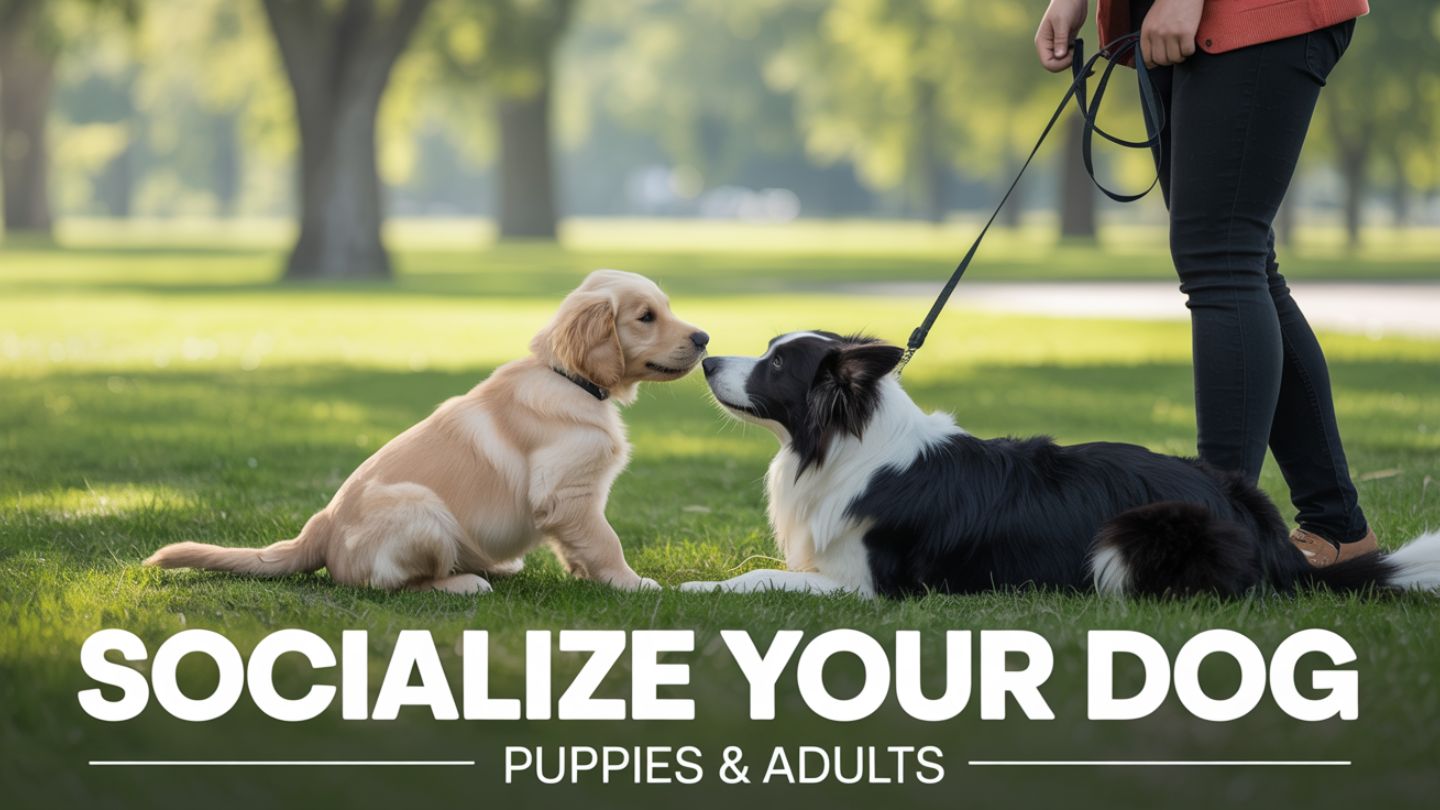
Dog-to-dog introductions should be structured, neutral, and calm—especially if either dog has an unknown or spotty social history.
Signs things are going well include loose bodies, soft eyes, and both dogs remaining interested in treats. If either dog stiffens, stares, or stops taking food, increase distance.
Only move to off-leash play in a secure, fenced area once on-leash interactions are consistently relaxed. End sessions before play becomes too rough or one dog looks tired or stressed.
People, children, and puppies move and sound differently, so your dog may react differently to each group.
Don’t hesitate to advocate for your dog. Politely tell friends or parents when to pause petting or back up. Your dog’s safety and comfort matter more than social pressure.
Even well-meaning owners sometimes rush the process or push too hard too fast. Understanding common pitfalls helps you avoid creating the very fears you’re trying to prevent.
Flooding means forcing your dog to remain in an overwhelming situation—like a packed festival or chaotic dog park—hoping they’ll “get used to it.” This approach typically increases fear rather than curing it. Dogs who are flooded may shut down in the moment but develop lasting anxiety about similar situations.
Instead, control the intensity. Start at distances or durations where your dog can stay calm, then gradually increase exposure as they build confidence.
When a dog growls, many owners instinctively correct the behavior. But growling is valuable communication—it’s your dog saying “I’m uncomfortable” before escalating to a bite.
Punishing growls teaches dogs to skip the warning and go straight to snapping. Instead, take the growl seriously: remove your dog from the situation, make a note of the trigger, and plan more gradual exposure next time.
Dog parks and open daycare play can benefit some dogs, but they’re not universal solutions. Unstructured groups with unknown dogs and minimal supervision can overwhelm many dogs—especially those who are shy, reactive, or still learning social skills.
Professionals can design step-by-step desensitization and counterconditioning plans tailored to your dog’s specific triggers and your living situation, and recognizing the benefits of agility training can support confidence-building in a structured, positive way.
Mixing unvaccinated puppies with unknown dogs in public spaces carries real health risks. While socialization is crucial, it shouldn’t come at the cost of serious illness. Follow your veterinarian’s advice about safe timing and appropriate environments for your not-yet-fully-vaccinated puppy.
Socialization checklists provide helpful guidance, but they’re not one-size-fits-all prescriptions. Some dogs need more time, space, and repetition than others. A naturally confident puppy might breeze through novel experiences, while a more cautious littermate needs twice as many sessions at half the intensity.
Watch the dog in front of you. Their body language tells you whether to push forward, hold steady, or back off entirely.

Some dogs have deep-seated fears or past trauma that exceed what owners can safely address on their own. Getting professional help early prevents problems from becoming entrenched.
Red flags that warrant expert guidance:
Contact a certified professional dog trainer or veterinary behaviorist who uses force-free, science-based methods. Avoid anyone who relies on punishment tools like shock collars or choke chains—research shows these approaches correlate with increased fear and aggression, not less.
Professionals can design step-by-step desensitization and counterconditioning plans tailored to your dog’s specific triggers and your living situation. In some cases, veterinarians may discuss anti-anxiety medication to help dogs learn more easily during behavior modification. Medication isn’t a failure—it’s a tool that can make training more effective when fear is too intense for learning to occur.
Proper socialization helps dogs stay calm, confident, and well-mannered in everyday situations. Whether you’re working with a puppy or an adult dog, steady exposure to people, environments, and other dogs reduces fear-based behaviors over time. Consistency, patience, and positive reinforcement make long-term success possible.
At Comprehensive Pet Therapy, we provide dog training in Roswell, focused on safe socialization and real-world behavior improvement. We offer dog training classes in Alpharetta, Buckhead, and Sandy Springs for structured learning in supportive settings. We also provide our growl class, private home instruction, and dog training service to help your dog build lasting confidence. Schedule training with us today.
There’s no exact timeline. Puppies need consistent exposure through at least 6–12 months to build strong social confidence. Adult dogs often need ongoing practice for life. Some dogs improve in a few months, while others take years. Steady progress matters more than speed.
Yes. Socialization doesn’t require your dog to play with every dog or enjoy dog parks. Many dogs do best with calm exposure, parallel walks, or learning to ignore other dogs. If your dog reacts aggressively or fearfully, work with a professional trainer for safety.
It’s rarely too late. Adult and senior dogs can still learn, but progress may take longer than with puppies. Start in low-stress environments, use calm exposures, and build gradually. Not every dog becomes highly social, but most can become more comfortable in daily situations.
You can still socialize successfully with planning. Invite visitors, arrange controlled meetings with calm dogs, and make occasional trips into town for new sights and sounds. At home, play recorded noises at low volume while rewarding with treats to create positive associations.
Pause exposure to that trigger and let your dog decompress. Then reintroduce the trigger at a lower intensity or from farther away, pairing it with high-value treats. Avoid forcing the situation. If fear worsens or spreads, professional support helps prevent long-term behavioral setbacks.

Need to get in touch with CPT? I’ve got you covered.
Pick what works best for you!