Bringing home a rescue dog often begins with hope, compassion, and the belief that love alone will be enough to help a traumatized animal heal. But for many owners, especially those caring for high-drive working breeds with complex behavioral histories, reality can feel very different. Fear-based aggression, intense reactivity, anxiety, and unpredictable behavior can quickly turn everyday routines into stressful challenges. Many owners spend months, or even years, working with different trainers, trying various techniques, and investing significant time and money in the hope of finding real progress. This story explores how one session changed a rescue dog’s behavior, offering a real-world example of what can happen when the right expertise meets the right behavioral approach.
Rescue dogs often carry emotional baggage that is not immediately visible. Trauma, instability, neglect, poor socialization, or simply prolonged uncertainty can shape how a dog responds to people, environments, and unfamiliar situations. For some breeds, these challenges can become even more intense due to natural temperament and working instincts. That was the case for one owner who unexpectedly found herself caring for a rescue Belgian Malinois / Dutch Shepherd mix.
These are highly intelligent, energetic, and environmentally sensitive breeds. While those traits can make them exceptional companions in the right setting, they can also create significant behavioral challenges when combined with trauma or fear. For this owner, daily life became increasingly difficult. Simple outings were stressful. Encounters with triggers became emotionally draining. Despite her dedication, progress felt inconsistent and incomplete.
She had already invested in multiple training programs, worked with several trainers, and tried a variety of methods. Like many owners searching for dog training in Atlanta, she was committed to helping her dog but found herself overwhelmed by conflicting advice and disappointing results. Some techniques appeared to create temporary improvements, but the deeper issues remained. The anxiety was still there. The reactivity was still there. Her dog’s emotional state was not truly changing.
One of the most discouraging moments came when the owner was told by another training provider to simply accept that her dog would never be friendly. The advice was to manage the behavior, avoid triggering situations, and adjust expectations permanently.
For any devoted dog owner, especially one deeply invested in a rescue animal’s future, this can feel heartbreaking. Management absolutely has a place in responsible dog ownership, particularly when safety is involved. But management alone is not the same as rehabilitation. Avoiding triggers may prevent incidents, but it does not necessarily help a dog feel safer, more confident, or emotionally healthier, especially when the best length for dog training sessions is thoughtfully aligned with the dog’s emotional and behavioral needs.
The owner instinctively felt something was missing. While some methods reduced visible reactions, they did not appear to help her dog emotionally. In some cases, the techniques seemed to increase stress rather than resolve it. That distinction became critical in her search for real answers.

Eventually, she connected with Mark and the team at CPT Training. From the beginning, the experience felt different. The focus was not simply on suppressing behavior or relying on repetitive sessions without a clear purpose. Instead, the emphasis was on understanding the root cause of the dog’s responses and addressing those behaviors with a balanced, informed, and individualized approach.
The owner recognized a level of behavioral understanding she had not previously encountered. Many trainers care deeply about dogs and genuinely want to help, but difficult cases involving reactive rescue breeds require more than good intentions. They require experience, precision, and the ability to distinguish between controlling behavior and creating meaningful emotional change.
This became the turning point in understanding how one training session changed a rescue dog’s behavior.
Behavior transformation stories can sometimes sound exaggerated, especially to owners who have already spent months struggling without clear progress. But this experience was not about a miracle fix or unrealistic promises. It was about targeted intervention based on a deep understanding of canine behavior.
During the session, the owner was shown how to address aggressive reactivity in a way that aligned with proven aggressive dog training tips while also supporting healthier emotional associations and trust-building. That combination made the difference.
Corrective techniques without emotional understanding can intensify fear. Purely positive approaches without an appropriate structure may fail in serious reactive situations. Effective behavior work often requires balance, timing, and precise implementation.
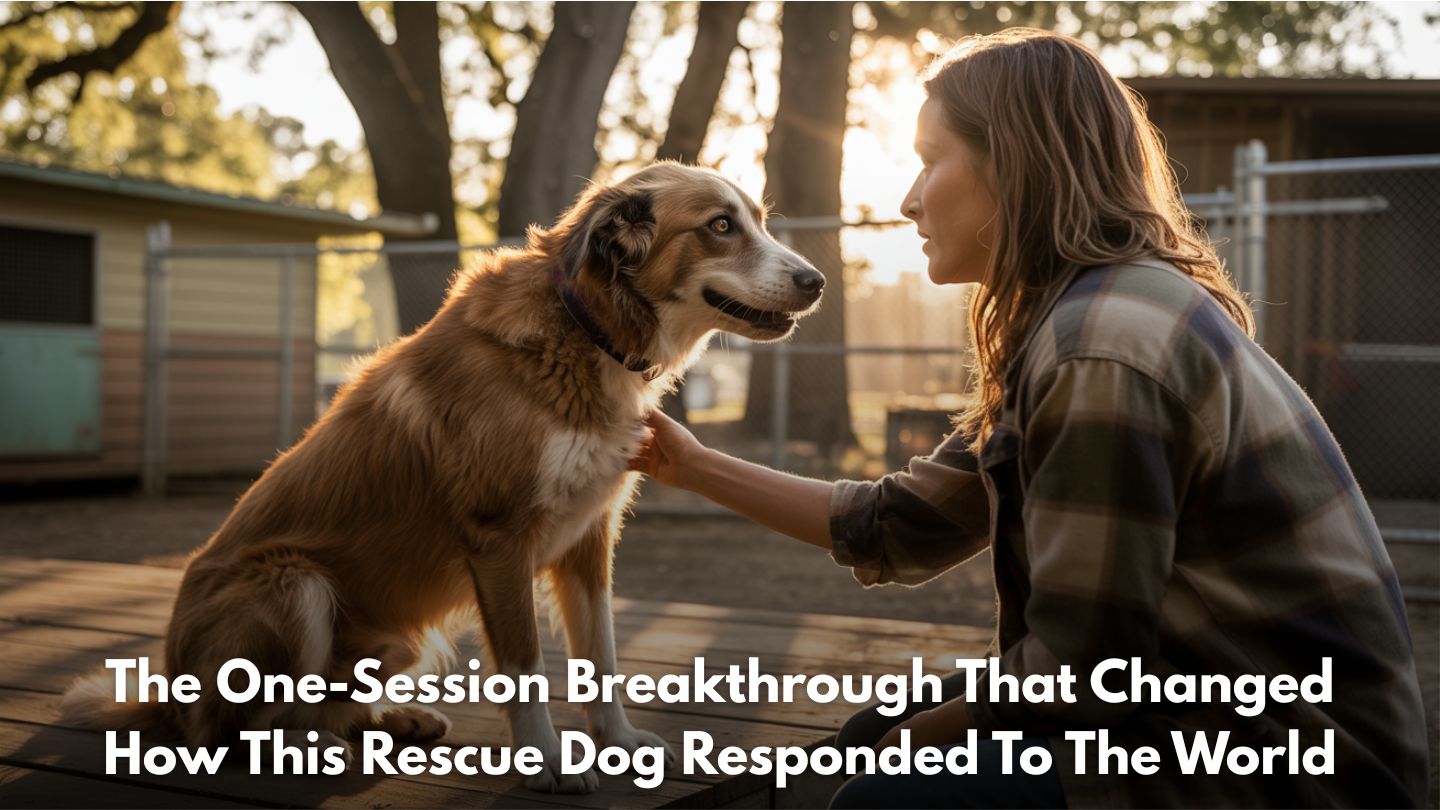
According to the owner, aggressive reactivity was successfully addressed in multiple situations during just that first session. This is exactly how a single training session improved a rescue dog’s response, not by skipping the work, but by finally applying the right methods in the right way.
That does not mean every behavioral issue was permanently solved in a single day. Instead, it means the owner finally gained clarity, practical tools, and a strong behavioral foundation that reflected the long-term benefits of dog training beyond immediate behavioral control.
Many rescue dog owners experience frustration because not all training approaches are equally effective for complex behavioral challenges. Reactive behavior can stem from fear, uncertainty, trauma, overstimulation, or defensive instincts. Surface-level symptoms may look similar, but the emotional causes can be very different.
When trainers misread the root cause, interventions often miss the mark. A dog that appears aggressive may actually be deeply fearful. A reactive dog may not need stronger corrections, but clearer communication and emotional stability.
Over-reliance on training tools can also create limitations. Tools are not inherently problematic when used correctly, but they are not solutions by themselves. Without thoughtful application, they may simply suppress visible behavior without addressing emotional drivers.
In some cases, certain methods unintentionally reinforce anxiety. If a dog learns that stressful environments are unpredictable or emotionally overwhelming, reactivity can worsen over time. For many owners, this creates a cycle of temporary improvement followed by setbacks.
That is why how one session changed a rescue dog’s behavior is not really about speed; it is about accuracy.
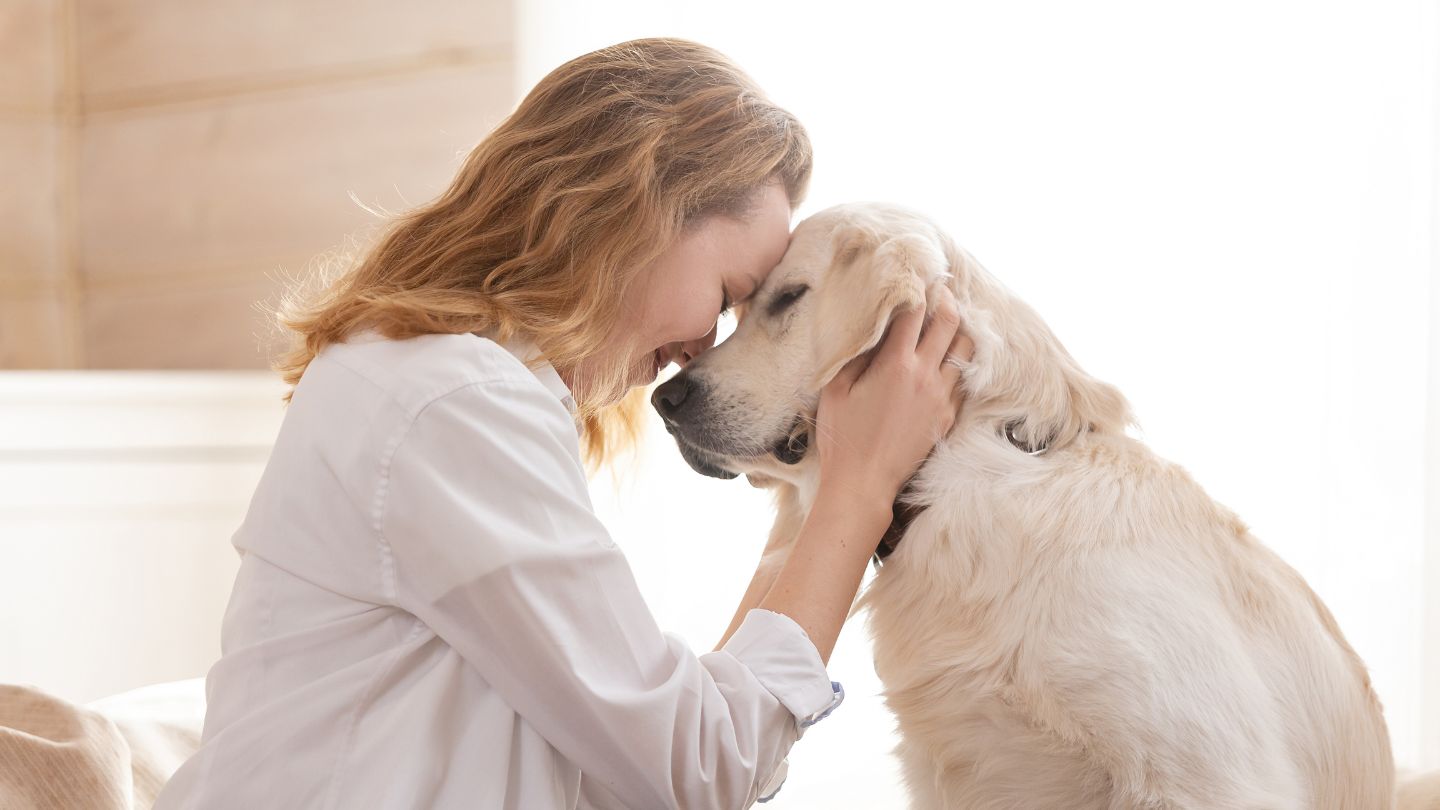
Perhaps the most meaningful part of this story is not simply reduced reactivity, but the emotional changes the owner witnessed in her dog after working with CPT Training.
She described her dog as sweet, playful, happy, more confident, and trusting in most situations. That language reflects something deeper than behavioral compliance. It reflects emotional improvement.
A dog that feels safer responds differently. A dog that trusts more fully becomes less defensive. A dog with reduced anxiety is better able to process the world calmly and make healthier behavioral choices, which is especially important when understanding at what age to start training a service dog and long-term behavioral development.
This emotional transformation is what makes how one training session changed a rescue dog’s behavior such a compelling story. The breakthrough was not just about fewer reactions; it was about creating a stronger emotional foundation for long-term change.
Rescue Dog Owner
“I wish I’d started working with Mark months (years!) ago! Would have saved me and my (fully unplanned/emergency ) rescue Belgian Malinois / Dutch Shepherd A Lot of unnecessary stress -& a lot of money! I’ve done so much training and worked with so many trainers- most of whom say they are “balanced.” However, Mark is the first one (with one possible exception outside of Atlanta) who I believe is actually knowledgeable enough to make this claim and fully understand what this means. Although training in general seems to have come so far and my experience has been that most trainers care, mean well, and try to keep up, but in reactive, potentially dangerous situations with rescue breeds such as mine, most rely on tools and methods that are either ineffective or more aversive and underlying-anxiety-perpetuating than ones which actually correct concurrent with the positive association and trust so incredibly critical to helping a traumatized dog make Actual, real, meaningful and lasting change….”
Many owners dealing with reactive rescue dogs feel isolated, frustrated, and emotionally exhausted. The process can feel endless, especially after trying multiple trainers without meaningful results. Financial stress often adds to the burden, making each disappointing experience even harder to accept.
But this story offers hope, not because every dog will transform in exactly the same way, but because the right behavioral approach can completely change direction.
Owners looking for dog training in Atlanta should understand that not all training is the same. Basic obedience and serious behavior modification are entirely different specialties. Complex behavioral cases require trainers who understand emotional conditioning, canine communication, threshold management, and owner coaching.
Rescue dogs with complex behavioral challenges are often misunderstood, leaving owners feeling overwhelmed and uncertain about what progress should look like. This story shows that meaningful transformation is possible when the right behavioral approach addresses both emotional triggers and behavior itself, creating lasting trust, confidence, and healthier responses to the world.
Comprehensive Pet Therapy offers expert dog training in Atlanta designed to help dogs and owners achieve real behavioral progress through proven, individualized methods. Whether you need advanced obedience, growl class, puppy class, or service dog training, our team provides practical solutions tailored to your dog’s unique needs. Let us help you build a calmer, more confident relationship with your dog.

Need to get in touch with CPT? I’ve got you covered.
Pick what works best for you!