As a dog owner, you want to give your companion the healthiest, happiest life possible. One of the most effective ways to do that is through vaccinations. Pet vaccinations have transformed canine health over the past century, turning once-common deadly diseases into preventable conditions. Yet questions and concerns about dog vaccinations are natural, especially with so much conflicting information online.
This blog walks you through why it’s important to vaccinate your dog, how vaccines work, which ones your dog needs, and how to work with your veterinarian to create a plan that fits your pet’s lifestyle. Whether you have a young puppy or a senior dog, understanding the value of vaccinations helps you make confident decisions for your pet’s health.
Key Takeaways
- Core vaccines (rabies, distemper, parvovirus, and adenovirus/hepatitis) protect your dog from common but deadly diseases that remain in the environment and wildlife.
- Rabies vaccination is legally required in most U.S. states by around 3–4 months of age and plays a critical role in protecting human health.
- Vaccines are far more affordable than treating diseases like parvovirus.
- Side effects from dog vaccinations are typically mild and rare, and your veterinarian can tailor a vaccination schedule to your individual dog’s needs.
- Keeping your pet vaccinated protects not just your furry friend, but also other dogs, other animals, and even your family.
How Dog Vaccines Work
Vaccines “teach” your dog’s immune system to recognize dangerous viruses and bacteria without causing the full disease. Think of it as a practice run for your pet’s immune system, one that prepares the body to fight off real threats quickly and effectively.
- Most canine vaccines use inactivated (killed) or modified-live organisms to safely stimulate immunity. These trigger a protective response without making your dog sick.
- After vaccination, your dog’s body produces antibodies and memory immune cells. These stay on alert and can respond rapidly if your dog is ever exposed to the actual pathogen.
- Protection can fade over time, which is why booster shots are needed at set intervals, often every one to three years, depending on the vaccine.
- Vaccines do not guarantee 100% protection, but they greatly reduce the risk of severe illness, hospitalization, and death.
- Vaccinations protect your individual dog while also contributing to the broader health of pets in your community.
Understanding this process helps you see why staying current on your dog’s vaccination schedule is so important. Each booster strengthens your pet’s immune system, keeping defenses ready for whatever comes their way.
Core Vaccines Every Dog Should Receive
Core vaccines are recommended for all dogs in the United States, regardless of lifestyle, according to guidelines from the American Veterinary Medical Association and the American Animal Hospital Association (AAHA). These vaccines protect against serious diseases that are widespread, highly contagious, and often fatal.
- Rabies: Rabies is almost always fatal once symptoms appear and can infect humans, making the rabies vaccine a legal requirement in most states by 12–16 weeks of age. Boosters are typically required every one to three years, as dictated by local law. Rabies vaccination is the cornerstone of public health efforts against this deadly virus.
- Canine Distemper (part of DHPP): Canine distemper is a highly contagious virus causing neurological, respiratory, and gastrointestinal signs. Before widespread vaccination, distemper killed thousands of dogs each year. The distemper vaccine has dramatically reduced cases since the 1970s.
- Parvovirus (part of DHPP): Parvo is a life-threatening cause of severe vomiting, bloody diarrhea, and dehydration, especially in young puppies. Without intensive hospitalization, mortality can reach 90% in unvaccinated dogs. This potentially fatal disease is preventable with vaccination.
- Adenovirus / Infectious Canine Hepatitis (part of DHPP): This virus can damage the liver and other organs, sometimes fatally. Thanks to effective vaccines, infectious canine hepatitis is now rare in vaccinated populations.
Each of these core vaccines targets potentially deadly diseases that remain present in the environment or wildlife. Keeping your dog protected is a fundamental part of responsible pet ownership.
Non-Core Vaccines and Lifestyle-Based Protection
Non-core vaccines are recommended based on where you live and how your dog spends their time. Your veterinarian will assess your dog’s risk factors, including boarding, hiking, daycare, and regional disease patterns, to determine which additional vaccines make sense.
- Bordetella (Kennel Cough): Kennel cough is a respiratory disease commonly spread at groomers, boarding facilities, dog parks, and training classes. Many facilities require proof of this vaccine before your dog can attend.
- Canine Influenza (Dog Flu): Outbreaks of canine influenza have occurred in U.S. cities since 2004. Vaccines are often suggested for dogs in high-density or travel situations to reduce the risk of respiratory infections.
- Leptospirosis: This bacterial infection is spread by wildlife and standing water. It can cause serious kidney and liver damage in dogs, and it’s also a zoonotic disease, meaning it can infect humans. Vets often recommend this vaccine in areas with known leptospirosis cases or for dogs with outdoor, adventurous lifestyles.
- Lyme Disease: Transmitted by ticks (particularly Ixodes species), Lyme disease is common in certain regions of North America. If your dog hikes or lives where ticks are prevalent, your vet may recommend the Lyme disease vaccine alongside tick prevention.
Your veterinarian should review your dog’s lifestyle and regional risks at least yearly to update non-core vaccine recommendations. This ensures your pet is protected against certain diseases most relevant to their world.
Puppy and Adult Dog Vaccination Schedules
Puppies need a series of shots because maternal antibodies, protection passed from the mother, fade between about 6 and 16 weeks of age. Timing vaccinations correctly ensures your puppy builds strong immunity as that early protection wears off.
- Puppy Schedule: Core vaccines typically start at 6–8 weeks of age, with boosters given every 3–4 weeks until about 16 weeks. For example, shots may be given at 8, 12, and 16 weeks of age. A rabies shot is usually administered around 12–16 weeks, depending on local law.
- Adult Dogs: After the initial puppy series and one-year boosters, most core vaccines are repeated every one to three years, based on the vaccine product and veterinarian guidance. This vaccine schedule keeps your adult dog’s defenses strong.
- Shelter or Rescued Dogs: Dogs with unknown vaccine history may need a restart of the core series or titer testing to determine whether boosters are needed.
- Senior Dogs: Older dogs may still benefit from vaccinations, but schedules can be adjusted based on chronic illnesses, medications, and lifestyle. Your vet can help balance your senior dog’s needs with any health status concerns.
Staying on a consistent schedule is one of the simplest ways to keep your dog protected throughout every stage of life.
Health and Community Benefits of Vaccinating Your Dog
Vaccinating your pet does more than protect your individual dog; it helps safeguard your household, neighborhood, and community. When more dogs are vaccinated, infectious diseases have fewer opportunities to spread.
- Herd Immunity: Vaccinating one dog reduces disease circulation in a neighborhood, lowering risk for puppies, senior dogs, and pets with compromised immune systems. Experts suggest that at least 70% of dogs in a community need to be vaccinated to prevent major outbreaks.
- Public Health: Rabies vaccination in dogs has been a major factor in reducing human rabies cases in North America. Globally, unvaccinated dogs still contribute to an estimated 59,000 human rabies deaths each year, a reminder of why community health depends on pet vaccines.
- Access to Services: Current, documented vaccinations are often required by boarding kennels, grooming salons, training facilities, and doggy daycares to protect all attending animals. Keeping your dog vaccinated opens doors to socialization and enrichment.
- Preventive Care Opportunities: Vaccine appointments offer regular chances for full physical exams, early disease detection, and preventive counseling about diet, parasites, and behavior. These visits strengthen the bond between you, your dog, and your veterinary team.
When you vaccinate your dog, you contribute to a healthier environment for other dogs, other pets, and even your neighbors. Vaccinations protect not just your furry friend, but everyone around them.
Legal Requirements and Financial Benefits
Vaccinating your dog is not only a health decision, but it’s also a legal and financial one. Understanding these requirements helps you stay compliant and avoid costly treatments down the road.
- Legal Requirements: Most U.S. states and many countries legally require current rabies vaccination for dogs, sometimes with specific deadlines (such as by 3 or 4 months of age). Documentation is typically needed for pet licenses, travel, and some rental or housing agreements.
- Proof of Vaccination: Many boarding facilities, grooming salons, and daycare providers require up-to-date vaccine records before accepting your dog. This protects all pets in their care.
- Cost Comparison: Routine vaccines often cost just tens of dollars per shot, while treating preventable diseases like parvovirus can involve multiple days of hospitalization, IV fluids, and intensive care, easily exceeding $1,000–$3,000. Vaccination helps you avoid costly treatments and heartbreak.
- Low-Cost Options: Some clinics, shelters, and wellness plans offer low-cost vaccine packages. Taking advantage of these resources helps you stay current and avoid large emergency bills later.
Staying on top of your dog’s vaccinations is a smart investment in their health and your peace of mind.
Risks of Not Vaccinating Your Dog
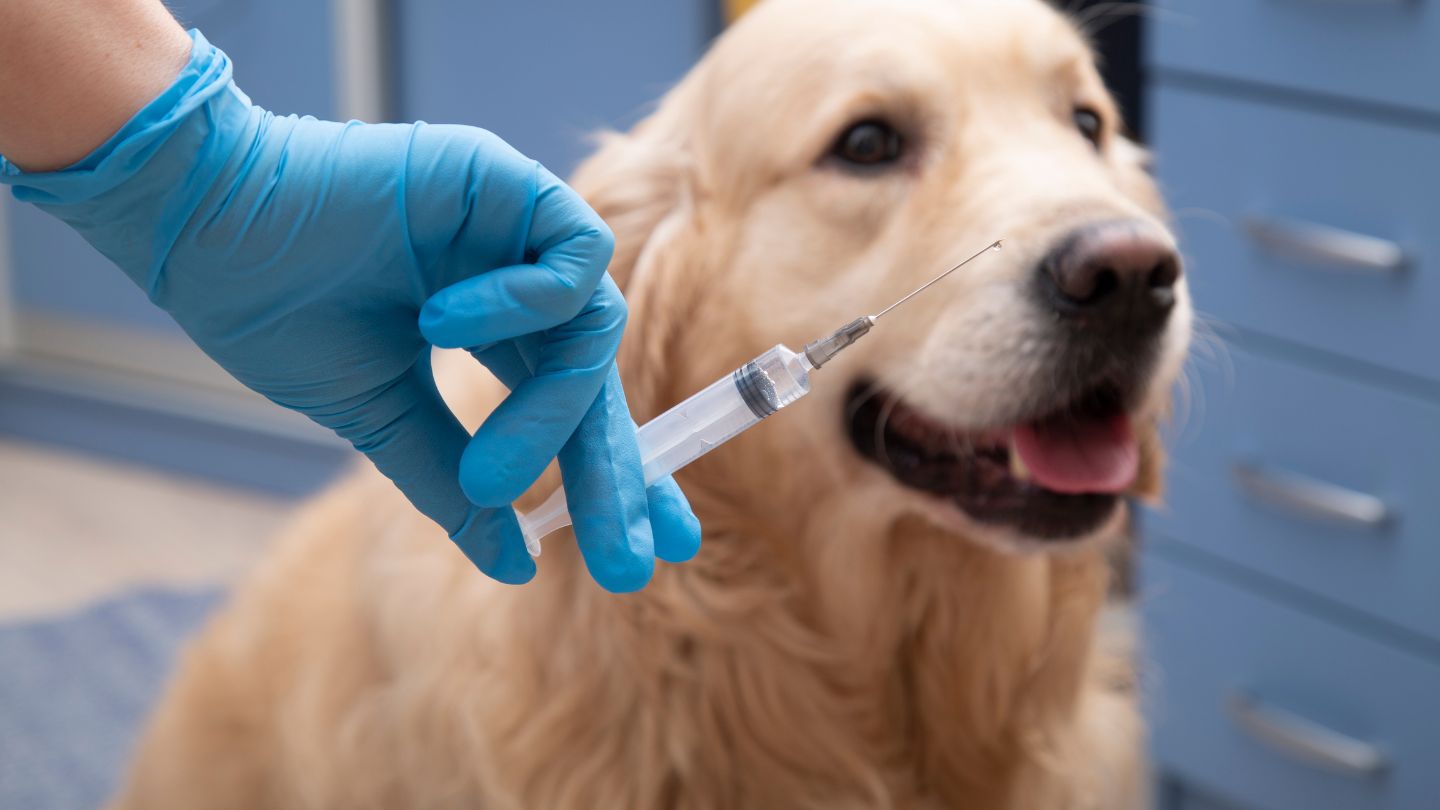
Choosing not to vaccinate leaves your dog vulnerable to preventable diseases and can affect other animals and people in your community.
- High Risk for Serious Illness: Unvaccinated pets are at high risk for parvovirus and distemper, especially if they visit dog parks, boarding facilities, or areas frequented by wildlife. These potentially fatal diseases can strike quickly and without warning.
- Rabies Consequences: An unvaccinated dog with rabies exposure may face strict quarantine or even euthanasia requirements. People exposed may need costly post-exposure treatment, creating stress and expense for the whole family.
- Community Impact: Disease outbreaks in communities with many under-vaccinated pets can force closures of parks, shelters, or daycare facilities, affecting all pet owners, not just those with unvaccinated dogs.
- Treatment Limitations: Even with advanced hospital care, treatment for life-threatening diseases is not always successful. Prevention through vaccination is the safer, more reliable choice.
The stakes are high. Keeping your dog vaccinated is one of the most meaningful ways to protect their health and the well-being of your community. Understanding inappropriate dog chewing behavior helps prevent household damage while building better habits through guidance and structure.
How to Work with Your Veterinarian on a Vaccination Plan
The best vaccine schedule is one built in partnership with a veterinarian who knows your dog’s history and lifestyle. Here’s how to make the most of that collaboration. Recognizing the benefits of dog training early helps improve your dog’s behavior, confidence, and communication skills.
- Bring Key Information: Share your dog’s age, prior vaccine records, travel plans, boarding or daycare use, and any health issues or medications. This helps your vet create a plan based on your pet’s lifestyle and dog’s risk profile.
- Discuss Local Risks: Ask about regional disease risks such as ticks, leptospirosis, or canine influenza outbreaks. This ensures your vet recommends appropriate non-core vaccines for your area.
- Ask About Timing: For very small or sensitive dogs, spacing multiple vaccines apart may reduce the chance of a reaction. Your vet can advise on the best approach.
- Monitor at Home: Learn what to watch for after vaccination, and don’t hesitate to call your vet if you notice anything concerning.
- Stay Organized: Keep an organized record, paper or digital, of all vaccine dates and due dates for boosters. Set calendar reminders to help you stay on schedule.
Open communication with your veterinarian is the foundation of a healthy life for your dog, and strengthening behavior at home is often easier when families also understand the benefits of dog training. This balanced approach supports both your dog’s physical wellness and everyday behavior, creating a more confident and well-adjusted companion.
A Healthier, Happier Life for Your Dog

Keeping your dog vaccinated is one of the most important steps in responsible pet care. Vaccines help protect your pet from dangerous and contagious diseases, reduce health risks over time, and support a longer, more active life. When you stay consistent with vaccinations, you also help protect other pets in your community.
At Comprehensive Pet Therapy, we’re here to help you build better habits and stronger communication with your dog if you’re looking for dog training in Alpharetta. We also support families through dog training classes in Brookhaven, Buckhead, Sandy Springs, and Roswell. Our programs include growl class and service dog training options designed for real-life behavior goals. Take the next step, reach out today to get started with us.
Frequently Asked Questions
Can my indoor dog skip some vaccines?
Even mostly indoor dogs usually need core vaccines like rabies and DHPP. Viruses like parvovirus can be brought inside on shoes or clothing, and legal rabies requirements generally do not exempt indoor dogs. Your vet can help you understand which vaccines are essential for your pet’s situation.
Are titer tests a substitute for vaccines?
Antibody titer testing can sometimes show whether a dog still has protection against certain diseases, but results must be interpreted by a vet. In many areas, titers do not replace legally required rabies shots. Titers may be helpful for dogs with a history of vaccine reactions or certain health conditions.
Is it safe to vaccinate a pregnant or nursing dog?
This decision is case-specific. Many vaccines are avoided during pregnancy, so owners should consult their veterinarian before breeding and plan vaccines in advance. Your vet can guide you on timing to keep both mother and puppies safe.
Can my dog be vaccinated if they are on medications or have a chronic illness?
Many dogs with conditions like allergies, arthritis, or early kidney disease can still be vaccinated. However, timing and vaccine choices may be adjusted by your vet to suit your dog’s age, health, and current medications. Always share your dog’s full medical history.
What if I adopted an adult dog with no vaccine history?
Vets commonly treat such dogs as unvaccinated, giving a series of core vaccines and possibly using titers to decide on boosters. Starting fresh ensures your new companion is fully protected, no matter their past.