A dog that hides when the doorbell rings, barks at strangers on walks, or freezes when someone approaches may be reacting to fear or uncertainty. With a thoughtful training plan, dogs can learn that unfamiliar people do not always signal danger. Progress depends on the dog’s comfort, past experiences, and the support available from the people around them.
This article explains why some dogs feel uneasy around new people, how confidence-building training works, and when a professional trainer can help. The goal is not to make every dog enjoy being approached. It is to help each dog feel safer and give owners a practical way to respond.
Understanding Nervous Dogs Around New People
A dog that barks when guests arrive, hides, freezes on a walk, or refuses treats near a stranger may be communicating discomfort. These behaviors can look like stubbornness, but fear, uncertainty, or anxiety may be behind them.
Possible influences include limited positive social experiences as a puppy, upsetting encounters, inherited temperament, or inconsistent handling. Puppies have a critical socialization window of around 14 to 16 weeks, when early exposure to people, sounds, surfaces, and environments can shape how safe unfamiliar situations feel later on, though a dog’s needs and learning continue beyond puppyhood. A dog’s history is only one part of the picture; observing their current reactions helps shape an appropriate plan.
Dogs communicate discomfort through changes in posture and behavior. Turning away, lip licking, yawning, a tucked tail, flattened ears, stiff movement, or showing the whites of the eyes can signal stress. A belly-up position can sometimes reflect fear or appeasement rather than friendliness. Barking, lunging, cowering, hiding, and attempts to escape may indicate that the situation feels overwhelming.
A dog who can still take food and respond to familiar cues may be more comfortable than one who refuses food, paces, trembles, or shuts down, and that helps show how the dog feels in the moment. These signs are useful information for a trainer when deciding how to structure future sessions. If the dog appears distressed, create space and pause the interaction.
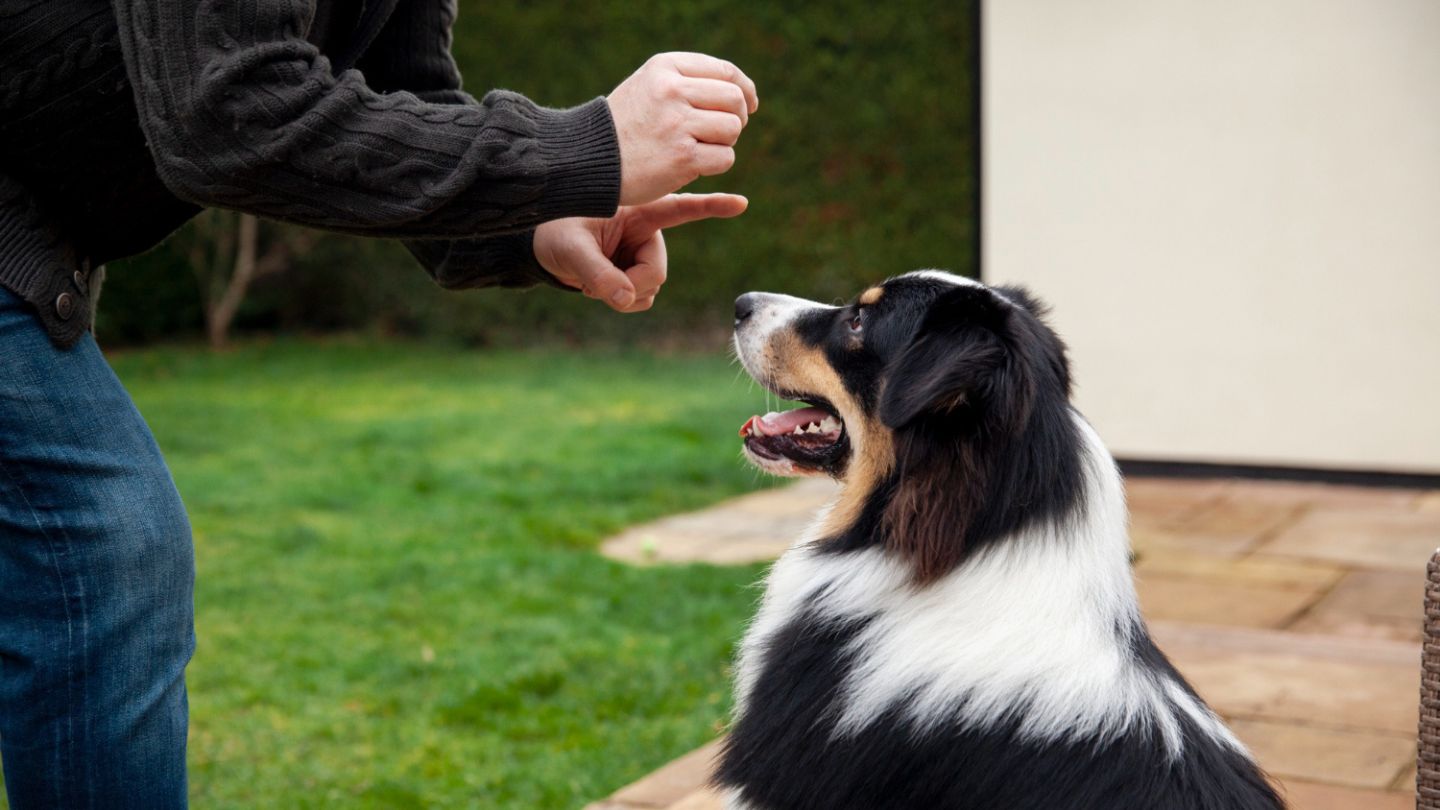
A well-planned training program helps create positive associations that can change a dog’s response to unfamiliar people. Rather than making a dog endure close contact, a trainer can arrange manageable experiences and pair them with positive reinforcement the dog values, which can also strengthen the bond between dog and owner. The dog is given room to observe and recover, with the pace adjusted to their responses so progress supports the dog’s confidence.
Predictable routines and clear communication can also help a dog feel less uncertain. A trainer may identify useful cues and show owners how to reinforce them consistently. The specific plan will depend on the dog’s triggers, history, and ability to remain comfortable during training.
Desensitization and counter-conditioning are commonly used behavior-modification approaches. Desensitization introduces a trigger at the dog’s threshold with gradual exposure, while counter-conditioning pairs that trigger with good things. A qualified trainer can determine the starting point and adjust it as the dog responds. Reward-based work is one way trainers build new associations; positive reinforcement as a foundation for successful dog training explains how rewards can support learning.
Moving too quickly or trying to force a dog closer to a person or a scary thing can increase stress. For this reason, a professional should help set the pace when a dog has intense fear, a history of aggressive behavior, or reactions that are difficult to manage safely.
Before arranging introductions, a trainer may assess the dog’s body language, triggers, past experiences, and current routines. This helps identify the kinds of situations the dog can handle, which parts of the dog’s environment may need adjustment, and which ones need more distance or management. Owners can share observations from daily life, but a trainer should guide any plan involving significant fear or reactivity, especially for fearful dogs that need more careful planning. As a separate enrichment option for dogs that are comfortable with new situations, agility training can provide physical and mental benefits while building focus and coordination.
A trainer may recommend simple communication skills that help owners guide their dog when something feels uncertain. These can include responding to their name, moving with the handler, or settling in a familiar place. The trainer can demonstrate how and when to use each skill so it supports the dog instead of adding pressure.
The training environment should match the dog’s current needs and create a safe environment for learning. Some dogs may begin in a quiet area, while others need a safe space or safe haven with soft bedding where they can retreat and feel safe before new challenges are added. A professional can help owners decide how to make the setting predictable and when the dog is ready for a new challenge.
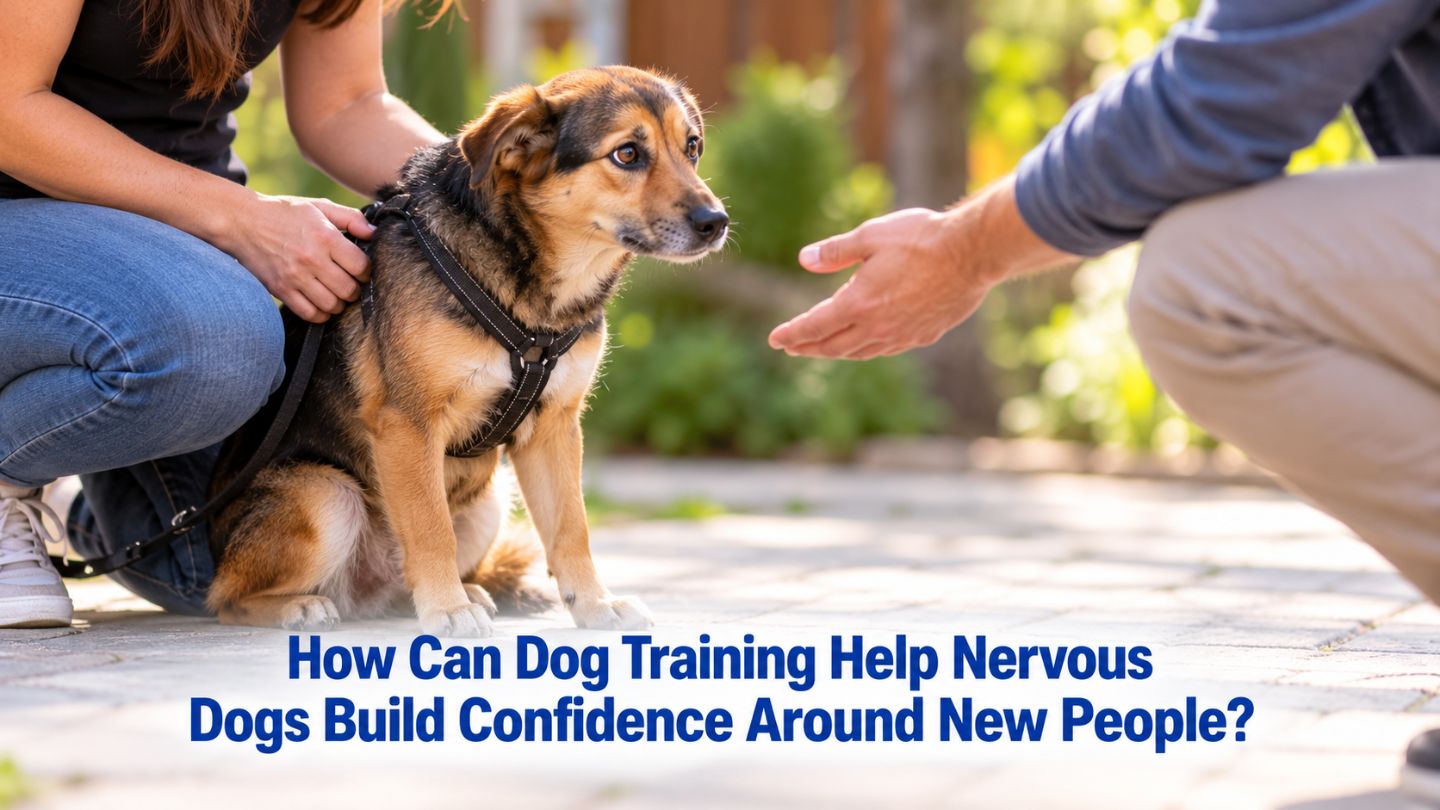
Introductions should be planned at the dog’s own pace. A trainer may help a shy or scared dog observe a person from a distance and look for relaxed, more confident behavior before changing the setup. The dog should not be forced to approach, accept petting, or remain near someone when they are trying to move away.
For home visits, a trainer can explain how guests should behave and where an anxious dog can retreat to avoid becoming overwhelmed during visits. Visitors may be asked to avoid reaching toward or staring at the dog. The trainer can help determine whether treats, barriers, or a separate quiet area are appropriate so the dog has a place to go if they feel overwhelmed.
On walks, the plan may focus on giving the dog enough space to notice triggers like people or other dogs without becoming overwhelmed. Owners can ask a trainer to demonstrate how to respond when a person approaches, and how to stay calm, keep a loose leash, and adjust the route or distance so the dog feels secure. A dog does not need to greet strangers for a walk to be successful, and route changes at quieter times can help manage public encounters.
Well-intentioned interactions can add pressure if they do not account for the dog’s signals. Avoid forcing greetings, allowing people to lean over or reach toward the dog, or punishing barking and growling, especially when the dog is clearly afraid. These responses can make a dog feel less safe and may hide warning signs without changing the underlying fear.
Busy settings can also be too challenging for a dog who is still learning to cope with people at a distance. A trainer can help owners choose manageable situations and recognize when training sessions should end before the dog becomes overwhelmed. If a dog stiffens, tries to flee, or escalates their response, increase distance and seek professional guidance when needed.
Owners can help your dog by staying calm, noticing when the dog may feel unsafe or tense, and giving the dog room to disengage. It is reasonable to tell someone not to pet your dog or to move away from an interaction, since those choices can create more positive experiences during everyday encounters. A trainer can help you prepare for common situations and respond consistently.
Keeping notes about the setting, distance, and behavior you observe may help a trainer understand what the dog finds difficult. Share those observations during a consultation rather than increasing the challenge on your own. Consistent follow-through with professional guidance gives many dogs a more predictable experience and supports gradual improvement over time.
Consider professional help if your dog has snapped or bitten, shows intense reactions even when people are far away, or if you feel unsure about managing encounters safely. Support may also be useful when fear affects walks, visitors, or other parts of daily life.
CPT offers behavior problem-solving and training options, including private and in-home instruction, for example, to match different schedules and support needs. A trainer can discuss your dog’s needs and recommend an appropriate next step, including help for anxious dogs and other behavior needs. For severe or complex behavior concerns, ask whether coordination with a veterinarian or a qualified behavior professional is appropriate. A dog’s comfort around other people can shape whether group or private instruction is appropriate, since group and private dog training address different learning needs.
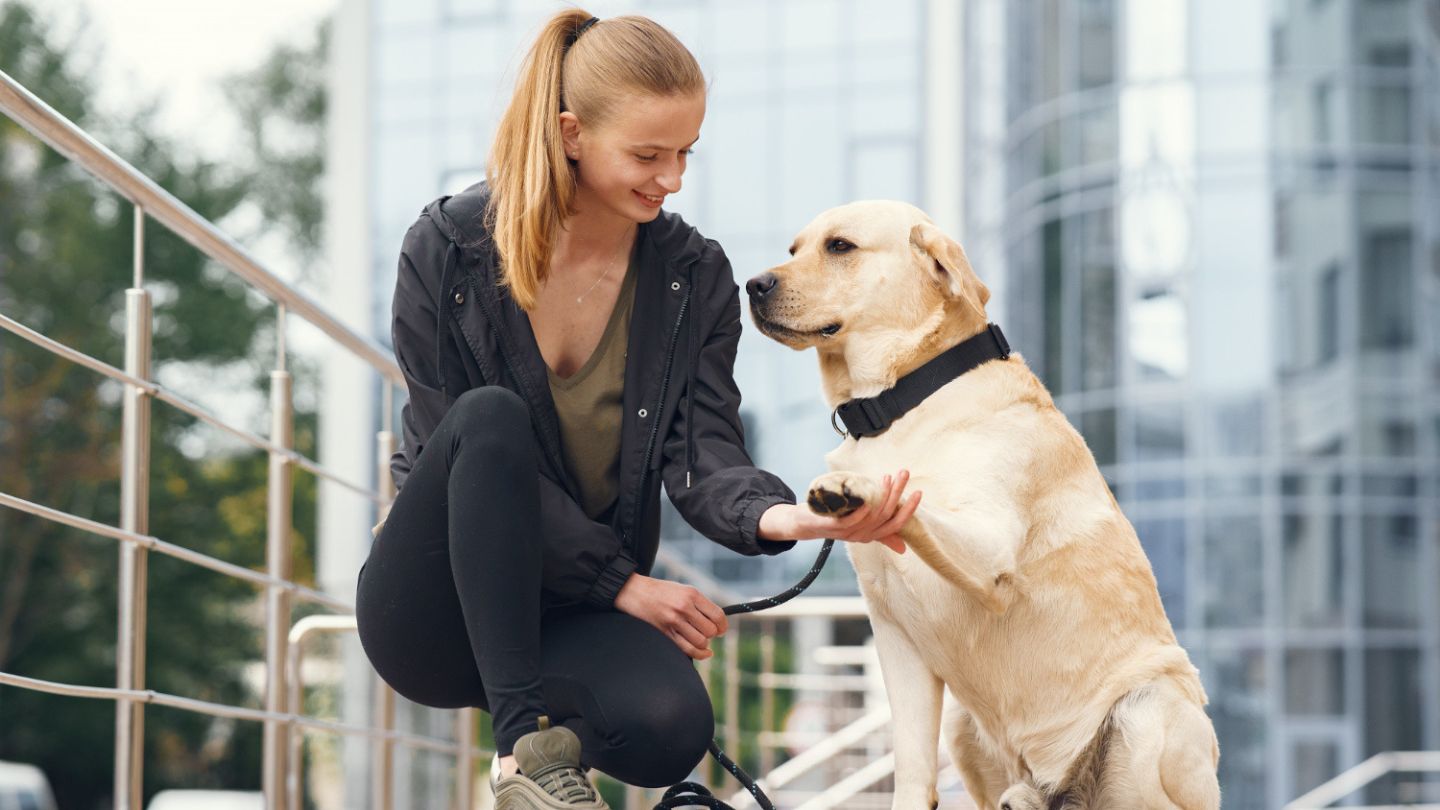
Helping a nervous dog feel safer around new people takes patience, observation, and a plan suited to the dog. Recognizing stress, planning introductions, and knowing when to seek professional guidance can make encounters easier. Progress may mean calmly watching a visitor from a distance; confidence does not require greeting everyone.
Comprehensive Pet Therapy (CPT) can help you choose support for your dog. Our trainers can discuss whether beginner obedience offers a useful foundation. A tricks class can provide another structured way to build engagement. Service dog training may be appropriate for dogs with specific working goals. If you need a dog trainer in Atlanta, contact us to discuss your dog’s needs and a practical next step for your household.
Yes. Adult dogs can learn new ways to respond, although the pace and goals vary. A trainer will consider the dog’s history, health, environment, and current behavior before recommending a plan. If anxiety appears suddenly or changes sharply, consult a veterinarian to check for possible medical factors.
Ask about the trainer’s experience with fear and reactivity, the methods they use, and how they keep sessions at a manageable level without using force, instead working at your dog’s comfort level. A good fit should include clear explanations, respect for the dog’s signals, and a plan tailored to your dog rather than guaranteed outcomes.
No. A dog can make progress without being petted or approaching guests. Some shy dogs are comfortable sharing a room from a distance without contact, while others do better with a quiet space during visits so they can feel safe. Discuss the safest arrangement with a trainer, especially if the dog has a bite history.
Describe what happens before, during, and after your dog reacts, including the setting, distance, people involved, and any changes in routine. Mention previous bites or near misses, health concerns, and what you have already tried. These details help the trainer assess your dog’s needs.
It depends on the dog and the class setup. Some dogs may benefit from structured activities with enough space, while others need individual support first. Ask the trainer how dogs are introduced, whether distance can be maintained, and what alternatives are available if your dog becomes uncomfortable.

Need to get in touch with CPT? I’ve got you covered.
Pick what works best for you!


