You’re standing at a crossroads that many dog owners face: should you enroll your furry friend in group dog training classes or invest in private dog training sessions? The answer depends entirely on your dog’s temperament, your training goals, and the behavioral challenges you’re working through together. Neither format is universally superior-a 2026 study published in the Journal of Veterinary Behavior found that training format (group vs. private) did not significantly predict behavioral outcomes, but training style and early intervention did. What matters most is matching the right approach to your dog’s specific needs, using evidence-based methods that build lasting results.
This guide breaks down everything you need to know-from the science behind effective training to real cost comparisons-so you can confidently choose the training path that sets both you and your dog up for success.
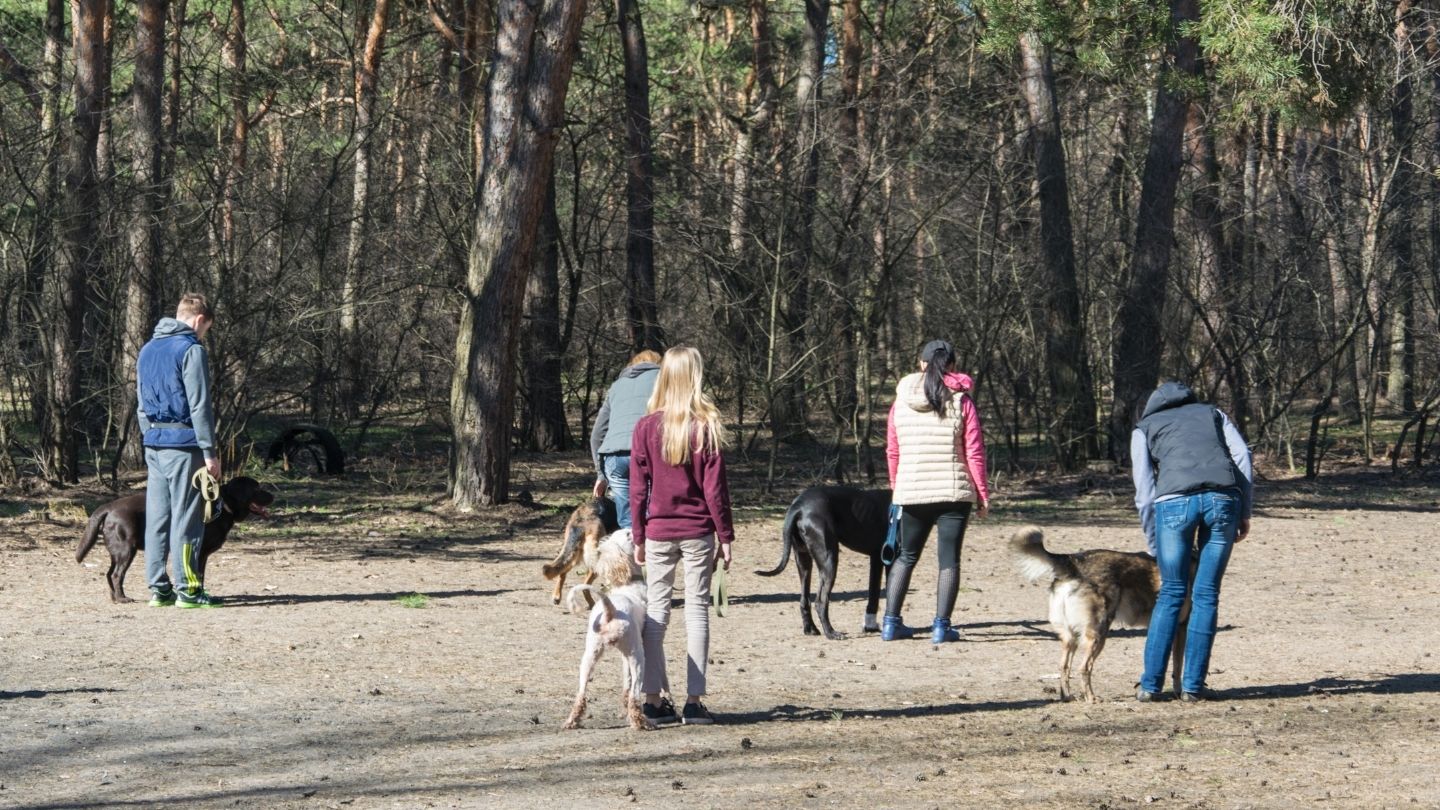
Group dog training – Involves structured classes where multiple dogs and their owners learn together under a professional trainer’s direction. These classes typically follow a progressive curriculum-from puppy socialization and basic commands to advanced training skills-with sessions lasting 45 to 60 minutes. Group training classes usually last 4–6 weeks with weekly sessions, and the average class accommodates about 8 dogs, creating a controlled environment rich with learning opportunities.
Private dog training – A one-on-one training experience between a trainer, the dog, and the owner. These sessions are entirely tailored to individual needs-whether that’s addressing separation anxiety, resource guarding, excessive barking, or building precise obedience skills. Private sessions can take place in training facilities, at the dog’s home environment, or even virtually, offering flexibility that group lessons cannot match. The average number of sessions in a private training program tends to be about six, with each session building directly on the last.
At Comprehensive Pet Therapy, training options can be tailored to a dog’s individual behavior, learning style, and the owner’s specific goals.
Evidence-based training methods are the foundation of lasting behavior change, regardless of whether you choose group or private classes. Leading certifying bodies such as the Certification Council for Professional Dog Trainers (CCPDT) and the International Association of Animal Behavior Consultants (IAABC) require reinforcement-based practices and prohibit aversive tools that cause fear or pain. Reward-based training methods are recommended for positive outcomes across every format and skill level.
A 2026 experimental study comparing different structured dog-training activities found measurable welfare and owner-dog relationship benefits across training formats, while obedience-focused classes showed particularly strong improvements in trainability. The findings reinforce the value of structured, reward-based training when methods are matched appropriately to the dog’s needs.
Research also consistently shows that early intervention matters enormously. Starting training during the puppy or pre-adolescent period-combined with consistent practice and science-based techniques-is more predictive of long-term behavioral success than any single training format. Both group and private training can be effective based on the dog’s specific behavioral needs; the method and timing matter more than the setting.
Group dog training classes provide affordable socialization opportunities for dogs while building foundational skills that every pet parent values. Here’s why group settings remain one of the most popular choices for many pet owners:
Socialization in a social environment: Group classes help dogs socialize with others-learning to greet politely, share space, and remain calm around unfamiliar dogs and people. For puppies especially, this socialization aspect is critical for developing confidence and preventing fear-based behaviors later in life. Puppies often excel in group classes for socialization, building the social skills they’ll rely on throughout their lives.
Learning to focus amid distractions: Dogs learn to focus amid distractions in group training settings, which is one of the most valuable real-world skills you can teach. Practicing loose leash walking, recall, and basic obedience while other dogs and distractions are present helps dogs generalize their skills beyond the living room.
Cost-effective skill building: Group classes are typically more cost-effective than private training. Group classes cost $30–$80 per session, with full programs running $300–$500 for a 4–6 week package. For dog owners seeking foundational obedience without a complex behavioral issue, this represents outstanding value.
Community and accountability: Group classes provide a supportive community for dog owners. Many dog owners find that the fixed schedule and shared experience with other pet parents keep them motivated to practice between sessions. Observing how other handlers work through similar challenges also builds confidence and problem-solving skills.
Structured progression: Group dog training typically has a fixed curriculum for basic obedience and social skills, moving from essential puppy skills through intermediate and advanced training levels in a structured environment.
Social dogs thrive in group training environments. If your dog is comfortable approaching strangers, enjoys interacting with other dogs, and has moderate energy levels, group sessions are likely a strong fit. Ideal candidates for group dog training classes include:
However, fearful or reactive dogs may find group classes overwhelming, and older dogs may struggle in high-energy group settings. Recognizing your dog’s personality and comfort level is essential before committing to group lessons.
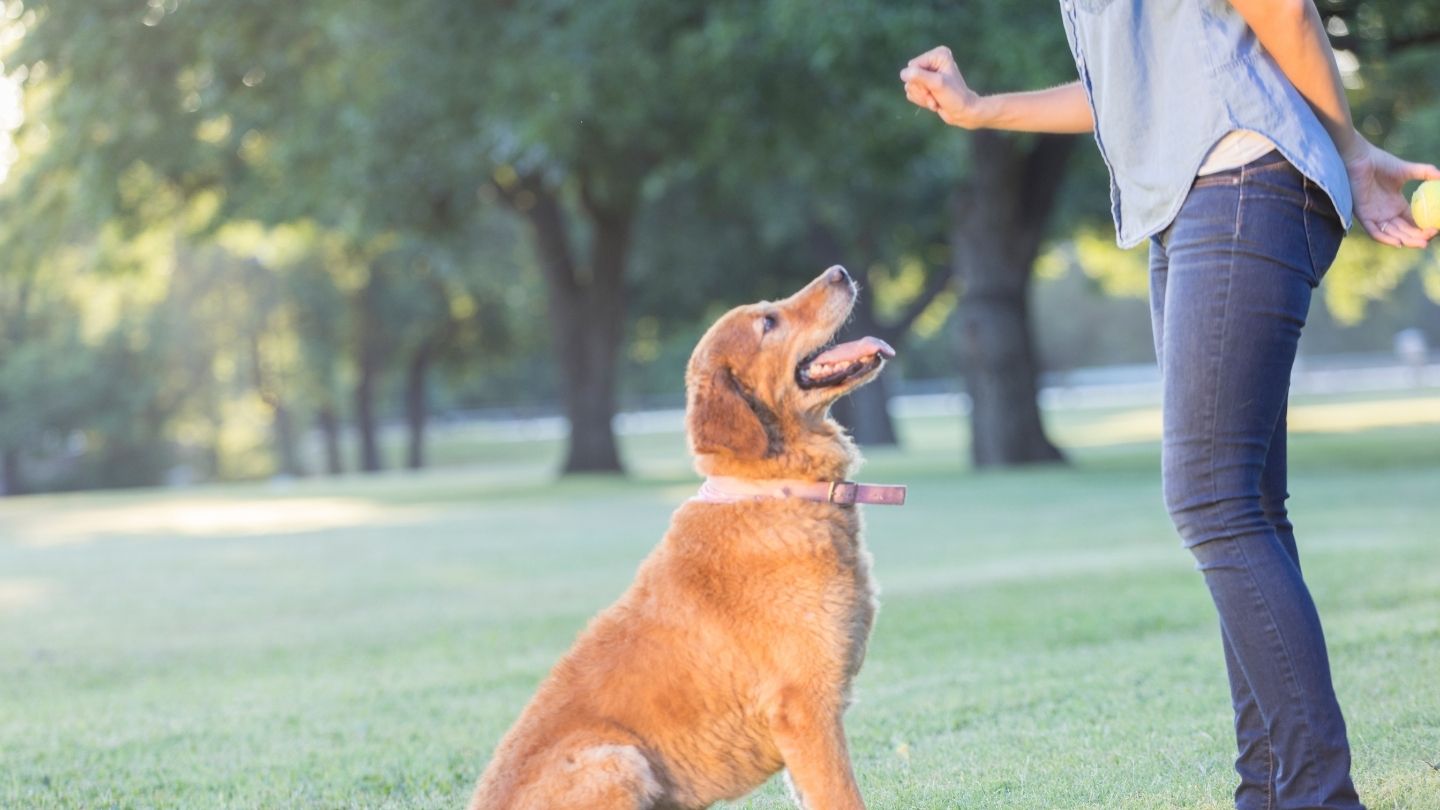
Private dog training offers one-on-one instruction tailored to specific needs, making it the preferred choice when behavioral challenges require focused attention and a customized approach.
Personalized instruction and customized plans: Private training allows for customized lesson plans built around your dog’s specific issues-whether that’s aggression, fear and reactivity, house training difficulties, or resource guarding. Every minute of every session is devoted to your dog’s progress, with your private trainer adjusting techniques in real time based on your dog’s responses.
Faster progress through focused attention: Private sessions often lead to faster progress than group classes. With one-on-one attention, the trainer can immediately correct handler timing, refine body language, and optimize the training process in ways that are simply impossible when attention is divided across multiple dogs.
In-home and real-life context: Training in a dog’s home environment can be beneficial for addressing specific issues. When a private trainer works in your home, they see exactly where problem behaviors occur-at the doorway, during meal prep, or on neighborhood walks-and build solutions around those real-life scenarios.
Flexible scheduling and pacing: Private training allows flexible scheduling to fit your calendar, unlike the fixed schedule of group sessions. Sessions can be timed when your dog is most receptive, and the pace adapts entirely to your dog’s learning curve. For owners managing busy routines or changing schedules, in-home private dog training offers greater scheduling flexibility while allowing dogs to learn in a familiar environment.
Specialty and complex work: For advanced training goals-service dog preparation, therapy dog certification, or intensive behavior modification-private classes deliver the precision and depth that group formats cannot provide. Private training is ideal for dogs with aggression or anxiety issues where safety and controlled exposure are paramount.
Reactive dogs benefit more from private training sessions, and so do several other profiles:
Choosing between group and private dog training isn’t about which format is “better”-it’s about which one aligns with your dog’s temperament, your goals, and your circumstances. Here are the key factors to assess:
Assess your dog’s temperament and social comfort: Consider how comfortably your dog responds to unfamiliar people, dogs, sounds, and environments. Some dogs learn well while surrounded by activity, while others make better progress when distractions are introduced gradually. Understanding your dog’s confidence level and ability to stay engaged will help determine which training environment offers the best opportunity for successful learning.
Clarify your training goals: If you’re building basic commands and want your dog to practice in a real-world, distraction-rich setting, group training classes are excellent. If you’re addressing complex behavioral issues-leash aggression, separation anxiety, excessive barking, or fear-based behavior-private training is typically the more effective training program.
Evaluate your budget realistically: Private lessons range from $75 to $150 per session at a facility, while private training sessions cost $120–$180 per hour for in-home or specialist work. Group training costs $300–$500 for a 4–6 week program. Board and train programs cost between $2,500 and $4,500 for intensive residential stays. Consider not just per-session cost but total investment: a cost-effective group class may cost more over time if progress stalls and additional corrective work becomes necessary.
Factor in age and experience. Puppies benefit enormously from early group socialization. Older dogs with ingrained habits may need the targeted approach of private sessions. Your dog’s age and previous training experience should guide format selection.
Many professional dog trainers recommend a hybrid approach that maximizes the strengths of both formats. Many dogs benefit from starting with private sessions to build foundational skills and address specific issues, then transition to group classes for socialization and real-world practice. The trainers at Comprehensive Pet Therapy can help determine whether your dog would benefit from starting with private instruction, joining group classes, or using a combination of both.
For example, a reactive adult dog might begin with private in-home sessions focused on desensitization and counterconditioning. Once calmer and more confident, that dog joins group sessions to practice maintaining composure around other dogs and distractions. Conversely, a puppy might start in group classes for socialization, then supplement with private lessons to tackle specific challenges like house training or bite inhibition in the home training environment.
This combined approach-increasingly common among professional training organizations-creates a comprehensive training program that addresses both you and your dog’s full range of needs. When clients pre-book all sessions in a package, completion rates reach approximately 71%, compared to just 48% when booking session by session, so committing to a structured plan pays dividends.

Group and private dog training each offer valuable benefits, and the right choice depends on your dog’s temperament, behavior, learning style, and training goals. Group classes can help build confidence, social skills, and focus around distractions, while private sessions offer more individualized attention for specific challenges. In many cases, combining both approaches can give dogs a well-rounded training experience that supports lasting progress.
At Comprehensive Pet Therapy (CPT), we offer support for a wide range of training needs, from our growl class and dog training classes to service dog training and help with excessive barking. Our experienced dog trainers in Sandy Springs can also help determine which training format best suits your dog’s needs. Contact us to discuss the training approach that may work best for you and your dog.
Your dog is likely ready for group training if they show baseline comfort around unfamiliar people and other dogs without excessive fear, lunging, or aggression. For puppies, most group dog training classes accept dogs once initial vaccinations are underway. If your dog is socially confident and you’re working on foundational skills like basic commands or loose leash walking, a group environment is a great fit. A professional evaluation can also help determine readiness. Comprehensive Pet Therapy can help determine whether group or private training is the better fit.
Private training is strongly recommended for dogs displaying aggression, severe reactivity, separation anxiety, resource guarding, or intense fear-based behaviors. These issues require a controlled environment, specialized intervention, and the focused attention of one-on-one sessions. Expecting group classes to resolve deep behavioral challenges is one of the most common mistakes many dog owners make. At Comprehensive Pet Therapy, private training can be tailored to specific behavioral concerns.
Absolutely. Many successful training programs involve transitioning between formats as a dog’s needs evolve. A common path is starting with private lessons to address specific concerns, then moving to group classes once the dog has built enough confidence and skill. If new issues arise later, returning to private sessions for targeted work is equally effective.
It can be, depending on your dog’s needs and stage of training. A professional trainer can determine whether the two formats should be used together or introduced at different points. The goal is to give your dog the right level of individualized support while gradually building confidence and reliability around everyday distractions.
Look for certifications such as CPDT-KA (Certified Professional Dog Trainer – Knowledge Assessed), CPDT-KSA, or CBCC-KA for behavior specialization, along with IAABC credentials. These certifications require hundreds of logged training hours, demonstrated knowledge of learning theory, continuing education, and adherence to ethical standards. A qualified trainer should clearly articulate a positive reinforcement philosophy and be transparent about their methods.
It can be, depending on your dog’s needs and stage of training. A professional trainer can determine whether the two formats should be used together or introduced at different points. The goal is to give your dog the right level of individualized support while gradually building confidence and reliability around everyday distractions.


Need to get in touch with CPT? I’ve got you covered.
Pick what works best for you!