Living with a dog who lunges at other dogs, destroys furniture when left alone, or shows aggression toward visitors turns everyday life into a constant source of stress. If you’re asking, “Is board and train in Alpharetta effective for dogs with behavior issues?” the answer from research and real-world outcomes is a resounding yes, when you choose the right program.
Board and train programs offer something that weekly sessions simply cannot: intensive, consistent intervention that addresses behavioral problems at their root. For pet owners in Alpharetta, GA, who have tried everything from YouTube tutorials to sporadic puppy classes without success, professional trainers working with your dog daily can finally break the cycle of frustration. This blog examines what the data actually shows about board and train effectiveness, which behavior issues respond best, and how to ensure lasting results for your furry friend.
The science behind board and train effectiveness comes down to two factors: intensity and consistency. When a dog receives multiple daily training sessions with immediate reinforcement, behavior changes faster than with weekly sessions, where practice gaps allow bad habits to resurface, aligning with the best length for dog training sessions.
Research published in Applied Animal Behavior Science examined 140 dogs with multiple behavioral issues, including aggression toward people, dog aggression, separation anxiety, and specific fears. The study revealed that inconsistent correction methods often worsened behaviors, while structured, professional intervention produced better outcomes.
Industry data from multiple training centers shows that board and train programs achieve 85-90% success rates for resolving behavioral problems when combined with proper owner commitment. Additionally, dogs in intensive programs show roughly 40% faster improvement in command response compared to traditional group classes or weekly private sessions.
The effectiveness of board and train rests on established behavioral science principles. First, a controlled environment eliminates the inconsistent triggers and distractions present in the home environment. Your pup isn’t reacting to the mailman, neighborhood dogs, or family members who inadvertently reinforce problem behaviors.
Second, professional dog trainers deliver immediate, consistent feedback. When correction or reinforcement happens within seconds of a behavior, dogs form clearer associations. At home, owners often miss the optimal timing window, creating confusion that slows progress.
Third, professional trainers recognize subtle stress signals and body language that indicate underlying fear or anxiety, which is critical when applying aggressive dog training tips to resolve deeper behavioral concerns. Addressing these root causes, rather than just suppressing symptoms, creates lasting behavior change rather than temporary compliance.
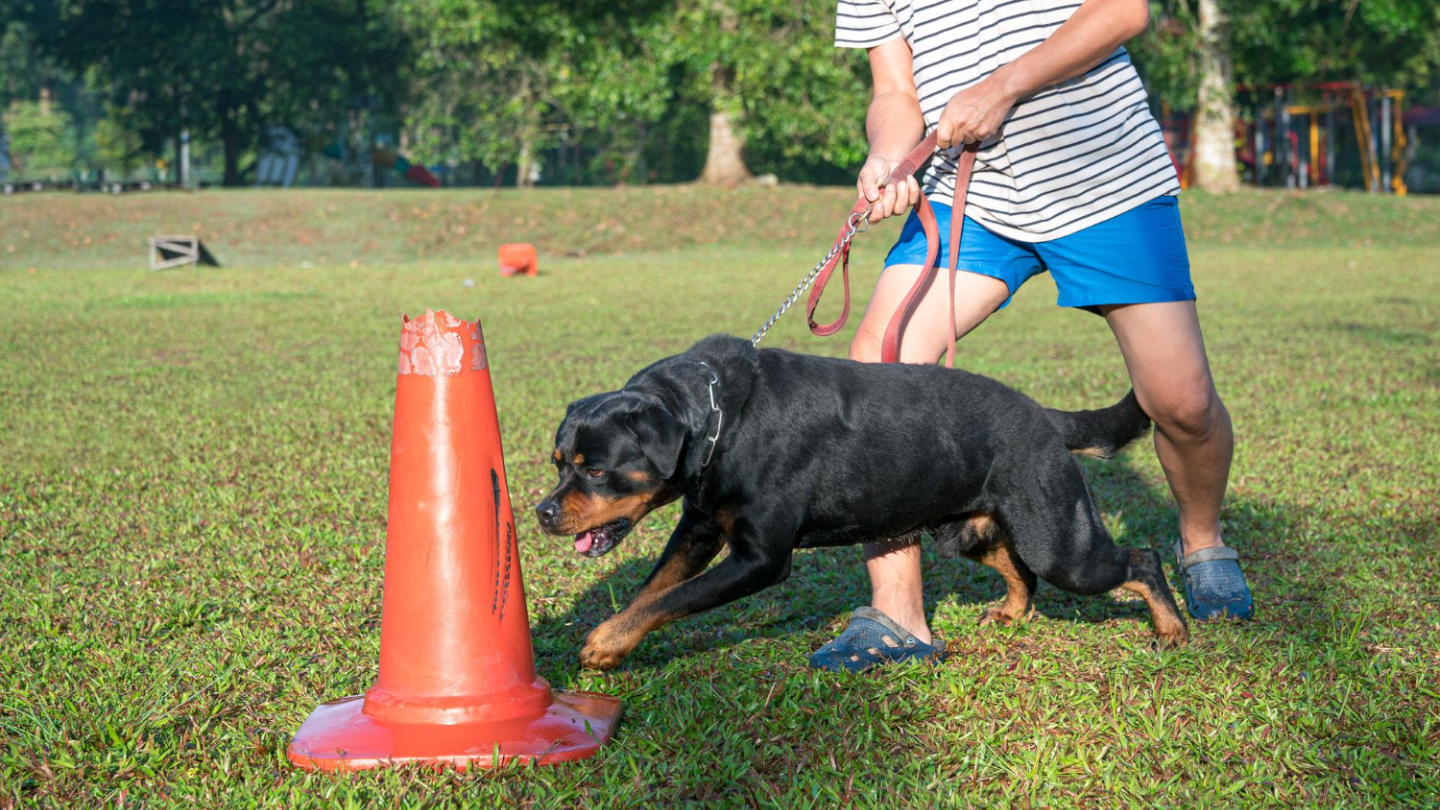
Board and train programs excel at addressing serious behavioral issues that resist conventional approaches. Here’s what responds best to intensive intervention:
Local Alpharetta clients report significant improvements after two to four weeks of board and train. One family saw their high-energy pup transform from an uncontrollable leash-puller into a calm walking companion who responds to “leave it” commands reliably. The key to their success: daily practice during the program plus committed owner follow-through at home.
Timeframes vary by issue severity. Basic behavioral problems like jumping or pulling show noticeable improvement within the first week. Complex issues, severe reactivity, deep-seated anxiety, and established aggression patterns typically require three to seven weeks of intensive work, followed by ongoing practice at home.
Even dedicated dog owners often make errors that unintentionally worsen behavioral problems:
Inconsistent responses confuse dogs about what’s expected. When one family member allows couch access and another doesn’t, the dog can’t learn clear rules. Professional trainers maintain perfect consistency across every interaction.
Inadvertent reinforcement happens constantly without owners realizing it. Picking up a barking dog, giving treats to stop whining, or allowing jumping “just this once” teaches exactly the opposite of what you want.
Misreading dog psychology leads to ineffective interventions. What looks like defiance is often fear. What seems like stubbornness may be confusion. Experienced trainers read body language accurately and adjust approaches accordingly.
Delayed intervention allows behaviors to become deeply ingrained. A puppy nipping at ankles is easily redirected; an adult dog with established bite patterns requires intensive behavior modification, reinforcing the importance of knowing when to start training your puppy early.
Punishment-based methods frequently backfire. Research shows that aversive corrections can increase cortisol levels, heighten fear, and actually trigger aggressive responses, making problems worse rather than better.
Not all board and train programs deliver equal results. Here’s what separates effective programs from mediocre ones, and what to look for in Alpharetta dog trainers:
Professional credentials matter enormously. Look for certifications like CPDT-KA or CBCC-KA from the Certification Council for Professional Dog Trainers. Trainers hold advanced certifications and have contributed to military-funded canine research, credentials that translate directly into better outcomes for difficult behavior cases.
Facility quality affects results. Effective programs offer secure environments, controlled socialization opportunities, proper enrichment, and small dog-to-staff ratios, while also supporting advanced engagement through the benefits of dog agility training. Facilities near Sandy Springs provide structured settings where dogs receive individualized attention rather than being warehoused in kennels between sporadic training sessions.
Personalized assessment determines success. Cookie-cutter programs fail because every dog’s specific triggers, history, and temperament differ. Before any board and train program begins, a comprehensive evaluation should identify exactly what’s driving the behavioral issues and create a tailored curriculum to address those individual needs.
Owner education separates lasting change from temporary compliance. The most common reason board and train “fails” is inadequate owner transition. When you pick up your dog, you should receive hands-on instruction in commands, cues, body language reading, and reinforcement schedules.
Evidence-based methods produce better outcomes. Programs using positive reinforcement techniques aligned with current behavioral science consistently outperform those relying on outdated punishment methods.
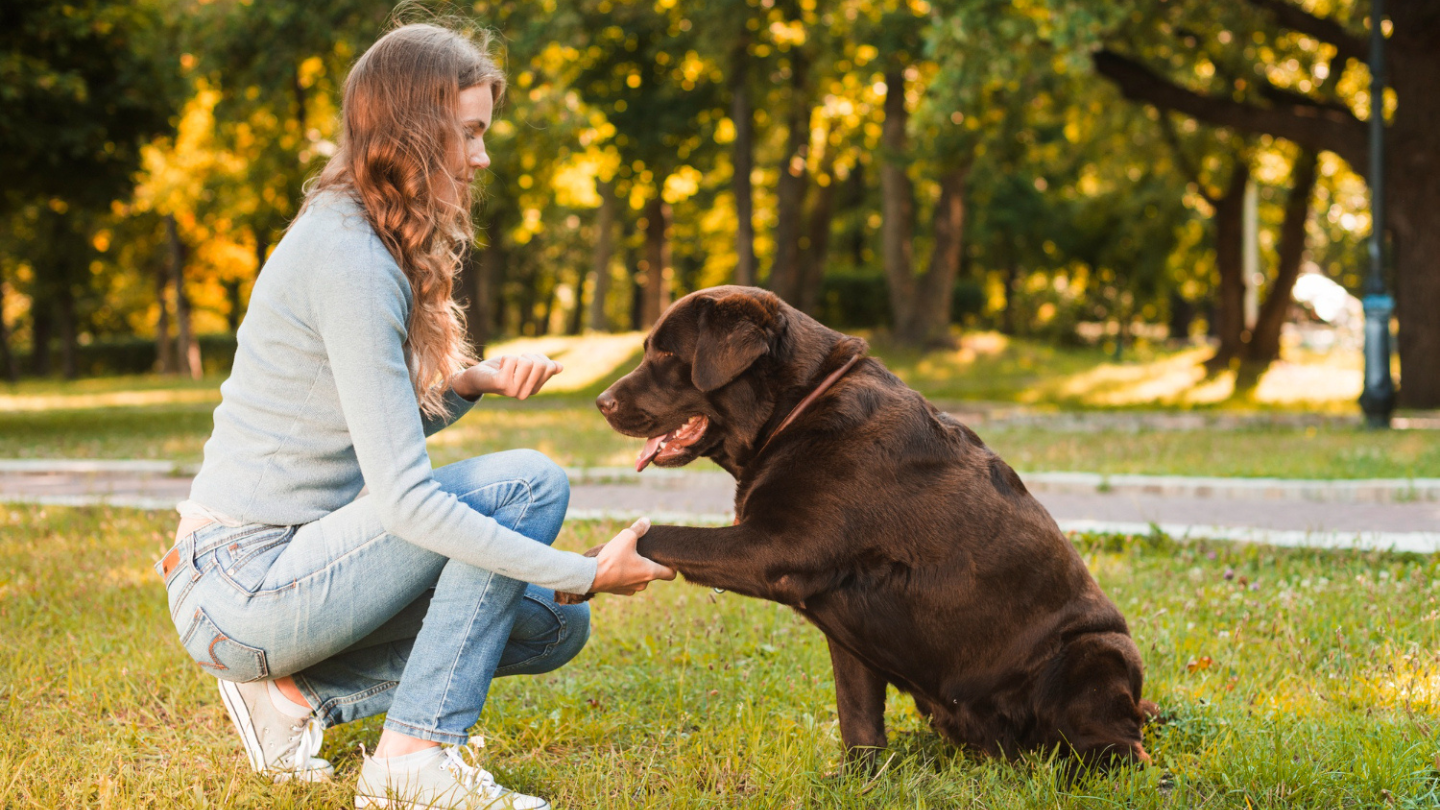
Board and train programs can be highly effective for dogs with behavior issues when guided by experienced trainers and consistent reinforcement. These programs provide focused, immersive training environments that accelerate learning, address problem behaviors, and build reliable obedience, making them a strong option for owners seeking long-term behavioral improvement.
At Comprehensive Pet Therapy, we provide dog training in Alpharetta, which is designed to deliver structured, results-driven programs tailored to each dog’s unique needs. Through beginner obedience, service dog training, and private home instruction, we offer flexible solutions that support lasting behavior change. Take the next step with us and help your dog achieve better behavior and confidence.
Most dogs show noticeable improvement within the first week of a board and train program, with significant changes evident by the two to four week mark. Basic obedience and manners issues resolve faster, while severe anxiety, established aggression, or complex behavioral issues may require three to seven weeks of intensive work. Continued practice at home after the program determines how quickly improvements solidify into permanent behavior change.
Lasting results depend heavily on the owner’s follow-through after the program ends. Comprehensive go-home training sessions where owners learn commands, timing, and reinforcement techniques. Without consistent practice in your home environment, behaviors can regress within weeks. Transition support helps maintain progress through the critical first months back home.
Dogs with underlying medical conditions (thyroid imbalances, neurological issues) or those requiring medication may need veterinary behaviorist involvement alongside training.
Look for trainers with professional certifications (CPDT-KA, CBCC-KA), facility transparency, evidence-based training methods, and strong owner education components. Ask about staff-to-dog ratios, daily training frequency, and what happens during non-training hours. Verify that the program includes go-home instruction and follow-up support. Avoid programs promising quick fixes for complex issues or those unwilling to discuss their methods.
Consider the ongoing costs of behavioral problems: damaged property, restricted activities, strained family relationships, and potential liability from aggression incidents. Professional intervention that resolves these issues permanently typically proves more cost-effective than years of managing symptoms. For serious behavioral problems, board and train often succeeds where less intensive approaches have failed.

Need to get in touch with CPT? I’ve got you covered.
Pick what works best for you!