When a dog growls, many owners instinctively think it’s bad behavior that needs to be stopped immediately. But growling is often a form of communication—not defiance, dominance, or disobedience. Understanding why dogs growl and how humans should respond can make the difference between preventing a bite and unintentionally increasing risk. This blog outlines what growling really means, when correction can be dangerous, and how to respond in ways that keep both people and dogs safe. By learning to interpret these warning signals properly, dog owners can build trust, reduce stress, and address problems before they escalate.
When your dog growls, your first instinct might be to feel worried, embarrassed, or even frustrated. But here’s something important to understand: growling is part of how dogs communicate. It’s not automatically “bad” behavior, and it’s definitely not a sign that your dog is trying to challenge or dominate you.
Think of growling as your dog’s way of saying, “Hey, I’m uncomfortable with this.” It’s a warning signal—one that actually helps keep everyone safer because it gives you information and time to respond before things escalate.
You’ll hear dogs growl in all kinds of real-life situations:
The same growling sound can mean very different things depending on what’s happening and what your dog’s body language looks like. A loose, wiggly dog growling during tug is having fun. A stiff, frozen dog growling over their food bowl is sending a very different message.
Most family dogs use growling as an early warning—“I’m uncomfortable, please give me space”—well before they would ever consider biting. Removing this warning sign without addressing the root cause can make your dog’s behavior look suddenly unpredictable later. The growl didn’t disappear because the problem was solved; it disappeared because the dog learned it wasn’t safe to communicate.
Understanding the different types of growling helps you decide whether to simply observe, gently interrupt, or seek professional help. Let’s look at the most common categories you’ll encounter with your own dog.
This is the fun kind. When dogs play tug, chase each other in the yard, or wrestle with canine friends, they often make growling sounds that can sound fierce to humans. But watch their body language—it tells the whole story.
Play growls come with loose, wiggly bodies, bouncy movements, and relaxed, open mouths. Tails are usually wagging, and dogs frequently pause to do play bows (front end down, back end up). Many dogs absolutely love to growl while they play tug with their favorite person—it’s part of the game, not a threat.
Picture this: you’re at the dog park, and a new dog rushes up to sniff your dog’s face. Your dog stiffens slightly and lets out a low rumble. This isn’t aggression—it’s a polite request for personal space.
Dogs communicate boundaries with each other constantly. A quick growl that says “back off a bit” is actually healthy social communication. You’ll typically see your dog’s body stiffen briefly, and they may turn their head away while growling.
Resource guarding happens when a dog protects something valuable to them—food, chews, toys, a favorite resting spot, or sometimes even their favorite person. When someone approaches, the dog freezes, stiffens, and growls.
A dog guarding their bone might hover over it, lower their head, show the whites of their eyes (often called “whale eye”), and possibly show its teeth. This type of growling is the dog’s way of saying, “This is mine, and I’m worried you’re going to take it.”
I remember hearing about an older Labrador in 2023 who suddenly started growling when the family’s children hugged him around his shoulders. The owners were confused and hurt—he’d always loved cuddles before. A vet visit revealed he had developed arthritis in his shoulders, and the hugs had become painful.
Dogs can’t tell us in words when something hurts. They growl when a hip is touched, when being lifted onto a grooming table, when nails are trimmed too short, or when they have hidden pain you can’t see. A dog that suddenly becomes “grumpy” about handling deserves a vet check before any training plan.
When a dog is truly afraid, their body language shows it. They might be tucked, leaning back, trying to make themselves smaller. Their ears flatten, their tail goes low or between their legs, and they growl at whatever is scaring them.
A fearful dog growling at a stranger bending over them isn’t being “mean”—they’re saying, “I’m really scared, please go away.” These dogs aren’t looking for a fight; they’re desperately trying to avoid one.
Here’s the direct answer: you should not punish or shut down growling, but you absolutely can (and sometimes should) calmly manage or interrupt the situation in a non-aversive way.
There’s an important difference between these two approaches:
| Punishing Growling | Interrupting and Managing |
| Yelling “No!” harshly | Calmly calling the dog away |
| Jerking the leash | Tossing a treat to redirect |
| Alpha rolling the dog | Guiding them out of the situation quietly |
| Prong collar or e-collar corrections | Creating distance between dog and trigger |
| Physical intimidation | Using a trained cue like “come” or “this way” |
When you punish growling, here’s what often happens: your dog learns that warning you is dangerous, but their fear, pain, or discomfort doesn’t go away. The emotion stays exactly the same—or gets worse—while the warning signal disappears. This is how dogs end up snapping or biting “without warning.” The warnings were trained out of them.
Some experienced trainers use very mild, well-timed interruptions alongside heavy positive reinforcement. This isn’t the same as routinely correcting family dogs for any growl. These professionals are typically working on specific, serious cases with careful protocols and constant monitoring.
For most dog owners, focusing on prevention, creating distance, and positive behavior modification is safer and more effective than any form of correction. You don’t need to be a professional dog trainer to manage these situations well—you just need the right approach.
When to call for help immediately:
In these cases, contact your vet and a certified behavior professional rather than trying DIY punishment. This isn’t about failure—it’s about safety and getting your dog the right support.
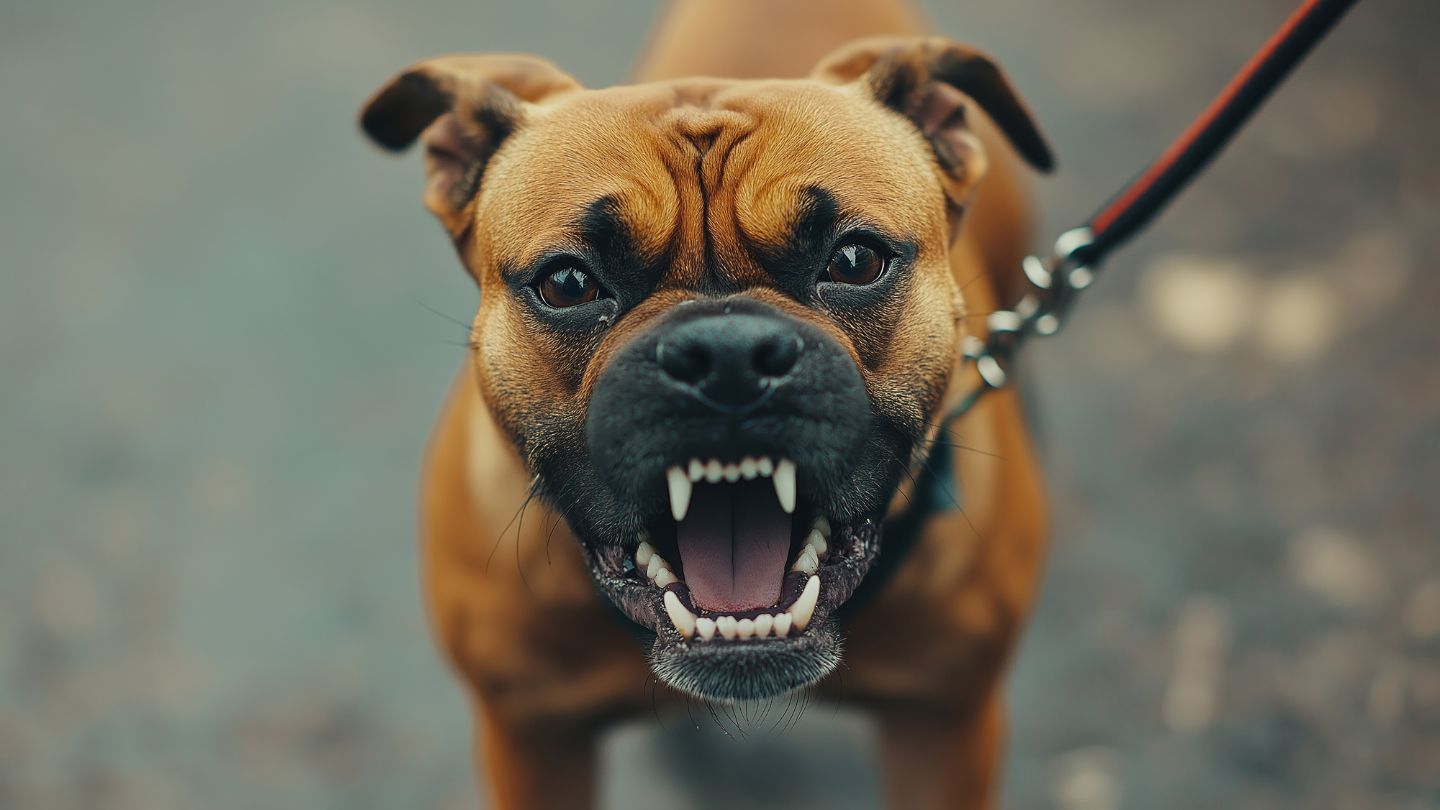
Let’s reframe how you think about growling: it’s actually your dog’s “early warning radar” that lets you know they’re reaching their limit. This is valuable information, not bad behavior.
Here are situations where the growl is doing its job, and you should listen rather than correct:
Respecting these warnings, then addressing the underlying issue through training and management, builds a safer, more trusting relationship over time.
A note on dogs who can’t growl: Some dogs, due to medical conditions or past surgeries affecting their throat, may not be able to growl normally. These dogs might go straight to other signals—or skip right to snapping. If your dog has limited vocal ability, pay extra attention to subtle body language like lip licking, freezing, head turns, and whale eye.
Not correcting doesn’t mean ignoring. Some moments require calm but quick action to keep everyone safe.
| Do This | Avoid This |
| Increase distance calmly | Shouting or yelling |
| Use a trained cue | Jerking the leash |
| Move behind a barrier | Reaching toward the dog’s mouth |
| Guide with body movement | Physical punishment |
| Stay matter-of-fact | Panicking or freezing |
The interruption should be neutral and business-like. You’re managing the environment, not punishing your dog for having an emotional response.
If you’re seeing consistent, frequent growling in high-risk situations, that’s your cue to schedule a veterinary check (to rule out pain) and a behavior consultation. It’s not a reason to start using harsher corrections—it’s a sign that something deeper needs to be addressed.

After a growling incident, here’s a practical, step-by-step plan that works for most dog owners.
Your first priority is making sure no one gets hurt.
Once everyone is safe, take a moment to document what happened. This information becomes incredibly valuable if you work with a professional later.
Note these details:
A short phone video taken safely after the fact can help a trainer or behaviorist understand your dog’s patterns.
Prevention is your friend. Make changes that reduce the likelihood of future growling incidents:
Many stress-related behaviors tend to show up together, especially in dogs that feel uncertain or overstimulated in their environment. Issues like growling, guarding, and destructive habits are often connected, which is why understanding how to stop inappropriate dog chewing behavior can also provide insight into reducing tension-based reactions. Addressing these patterns early helps prevent multiple problem behaviors from reinforcing each other.
This is where real improvement happens, often with guidance from a professional dog trainer:
Confidence-building outlets can play a major role in reducing fear-based or frustration-driven growling. Structured physical and mental activities improve impulse control, communication, and emotional regulation, which is why many owners ask whether agility training offers numerous benefits for their dog when addressing behavior challenges. For some dogs, these outlets become an important complement to behavior modification plans.
Contact a certified behavior professional when:
Look for trainers and behaviorists who use evidence-based, reward-focused methods. Helpful certifications include:
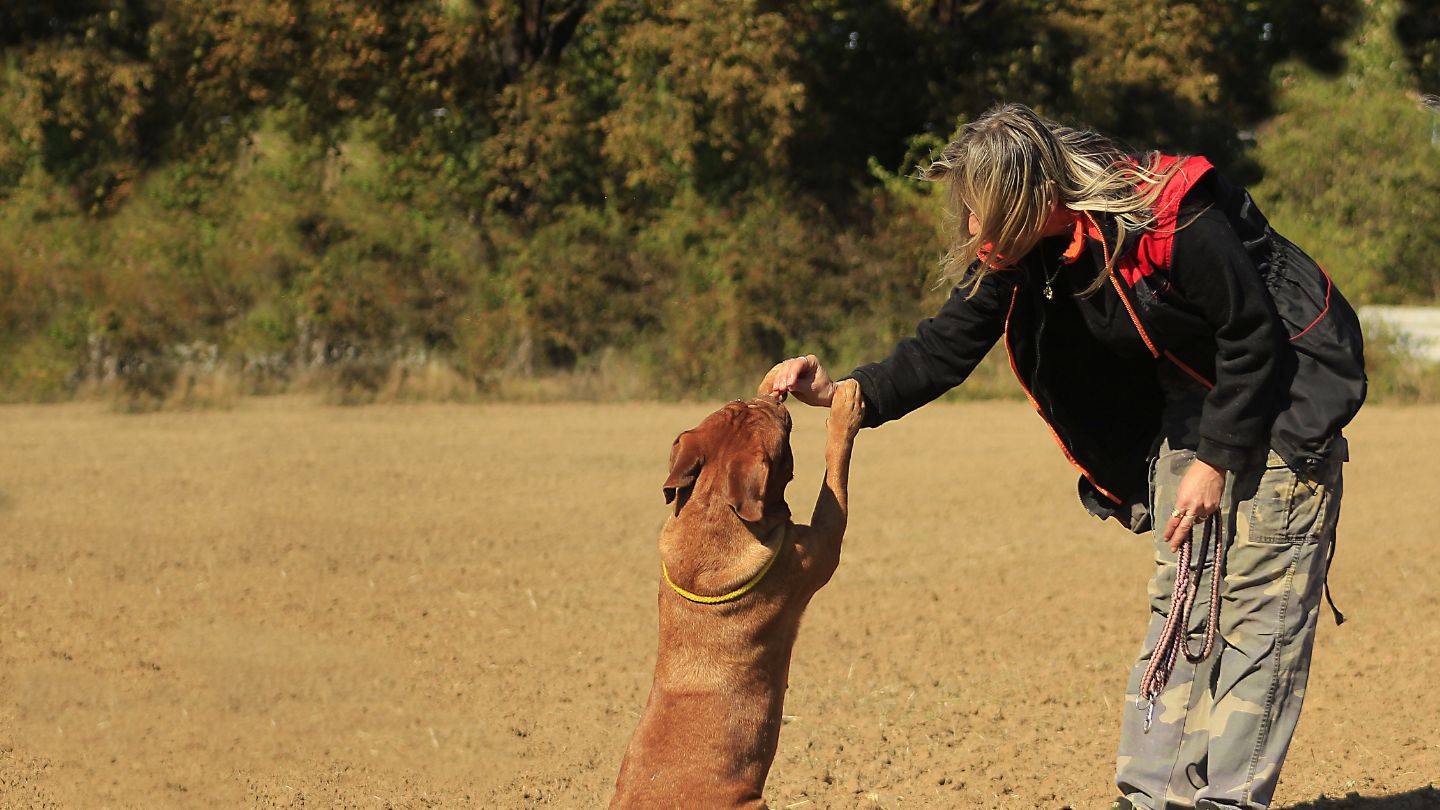
“Balanced training” typically refers to approaches that combine positive reinforcement with some form of correction or aversive stimuli. There’s an ongoing debate in the dog training world about whether correcting growls is ever appropriate.
In real-life cases documented between 2018 and 2024, many owners of dogs who “bit without warning” later realized that earlier signals had been punished or ignored. Those dogs had communicated—through lip licking, freezing, turning away, and subtle growls—but humans either didn’t recognize these warning signs or actively discouraged them.
The issue isn’t usually one single correction. It’s a pattern of teaching the dog that communication is unsafe while never addressing the underlying emotional state. The dog still feels afraid, still feels pain, still feels the need to guard—they just stop telling you about it.
Unless you’re working under the direct guidance of a qualified professional on a specific, serious case, avoid correcting growls yourself. Focus instead on:
The safest, most up-to-date guidance from veterinary behavior literature is clear: keep warning signals intact and change how your dog feels about their triggers. That’s the path to lasting improvement. Long-term improvement rarely comes from quick fixes or corrections alone. Understanding the benefits dog training provides—from clearer communication to reduced anxiety—helps owners see why consistent, structured guidance plays such a critical role in behavior change. Training strengthens trust and predictability, both of which are essential when addressing warning behaviors like growling.
Correcting a dog for growling may seem like the fastest way to stop an uncomfortable moment, but as this guide shows, suppressing warnings often increases risk instead of reducing it. Growling is communication—an early signal that something feels wrong to your dog. The safest, most effective approach is to listen to that signal, manage the situation calmly, and address the underlying cause through thoughtful training, environment changes, and professional guidance when needed. When owners focus on understanding rather than punishment, they create safer homes, stronger bonds, and more predictable behavior over time.
If you’re struggling with growling, reactivity, or more serious behavior concerns, Comprehensive Pet Therapy is here to help. We specialize in aggressive dog training in Atlanta and offer customized solutions through our dog training classes in Alpharetta, GA, and Buckhead, GA. Our services also include private home instruction, service dog training, and beginner obedience programs. Our goal is to help you understand your dog, build clear communication, and create real, lasting change. Reach out to us and let’s work together to turn stressful moments into confident progress—for both you and your dog.
A calm, neutral “no” is far less problematic than shouting or physical punishment, but it shouldn’t be your main strategy. The priority should be stepping back, figuring out why your dog is growling, and adjusting the situation. Repeating verbal reprimands without changing the underlying cause—whether that’s pain, fear, or resource guarding—won’t solve the behavior. Over time, it may actually damage your dog’s trust in you. Instead, focus on what triggered the growl and how you can prevent or modify that situation.
Start with a vet visit. Nighttime growling on the bed often signals pain or age-related issues like arthritis or vision changes that make your dog feel more vulnerable when they’re resting. Older dogs, especially, may become nervous when startled from sleep in low light. Once you’ve ruled out medical issues, establish a clear household rule: when your dog is on their bed or in their crate, they’re left alone. Interactions happen only when your dog is invited off or approaches you.
Growling at a child is absolutely serious and requires immediate action—but it’s not automatically a reason for rehoming. Your first steps should be strict separation (baby gates, closed doors, constant adult supervision) and contacting a veterinary behaviorist or certified behavior consultant as soon as possible. A professional can assess the actual risk level and help you create a safety and training plan. In many cases, with proper management and behavior modification, dogs and children can coexist safely.
A properly fitted basket muzzle can be a valuable safety tool, especially during training sessions, vet visits, or situations where you’re managing risk while working on behavior. But a muzzle doesn’t replace behavior modification—it’s just one piece of the puzzle. Introduce the muzzle gradually using treats so your dog feels comfortable wearing it.


Need to get in touch with CPT? I’ve got you covered.
Pick what works best for you!